
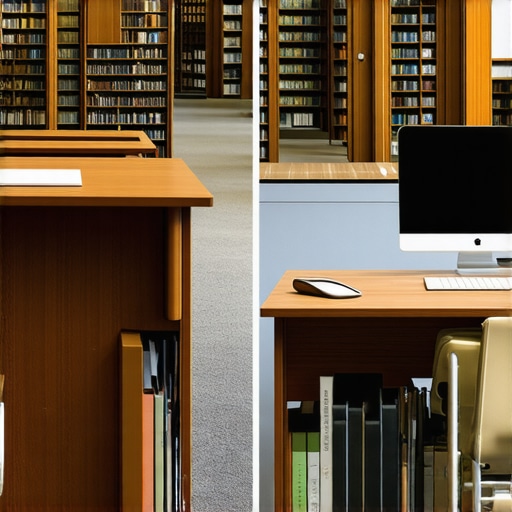
I remember the first time I wandered into my town’s quiet library, thinking it could be the perfect makeshift office for my startup. The rows of books, the peaceful ambiance—sounds ideal, right? But after a few days of trying to hustle amidst the silence, I hit a wall. Printer noise, inconsistent Wi-Fi, and constant interruptions made real work nearly impossible. That lightbulb moment hit me hard: a library, charming as it is, simply isn’t designed to support the dynamic needs of a growing startup.
Why Making My Startup Home in a Library Didn’t Work
Many entrepreneurs, myself included at one point, overlook the importance of workspace suitability. The allure of a free or low-cost environment often masks underlying issues that can stall progress. Libraries, by nature, prioritize quiet reading and studying, not collaborative teamwork or high-speed internet access. I quickly realized that trying to align my startup’s energy with such a space was a mismatch. You need a place that adapts to your business rhythm, not one that enforces a certain silence.
In my early days, I also made the mistake of assuming that any free space would do. That was a mistake I’ve seen others repeat, which is why I want to share my insights. Selecting the right workspace isn’t just about saving costs—it’s about fostering productivity, collaboration, and growth. As coworking spaces and dedicated startup hubs continue to evolve, they offer tailored environments that address these exact needs. Curious about how to choose the ideal space? Here’s a helpful guide to get you started.
So, what will we cover today? I’ll walk you through the core reasons why traditional spots like libraries fall short, and how you can find or create an environment that genuinely boosts your startup’s success. Because the right workspace isn’t just a convenience—it’s a strategic asset. And trust me, aligning your environment with your goals makes all the difference.
Is it Worth It to Look Beyond Your Local Library?
You might be skeptical, thinking, “Is investing in a dedicated coworking space really necessary?” I’ve been there. Early on, I underestimated the power of a well-designed workspace, and it almost cost me valuable momentum. A study from Deskmag found that 70% of gig workers experienced increased productivity in coworking spaces instead of working from home or public places. That’s a staggering difference. I wish I’d known sooner how much a thoughtful environment could accelerate my progress.
Let’s dive into how to avoid common pitfalls and find a workspace that truly supports your ambitions.
When you finally decide to leave the library behind, the next step is strategic and methodical. Think of choosing your workspace as assembling a toolkit for success; each tool—each step—must serve your specific needs effectively. I recall the mess I made when I visited a coworking space for the first time; I booked a tour without preparing my criteria and left with more questions than answers. That experience taught me to follow a clear process.
Define Your Startup’s Needs Clearly
Before stepping into potential spaces, create a detailed list. List essentials like high-speed internet, flexible booking options, and quiet zones for deep work. Don’t forget less obvious needs such as reliable printing, conference room availability, and breakout areas for collaboration. When I evaluated a coworking spot last year, I used this list to veto venues that couldn’t match my core requirements, saving me weeks of trial and error.
Research Top Options Methodically
Use targeted searches to find spaces aligned with your needs. Platforms like this guide show how to assess coworking spaces’ amenities and community strength. I visited multiple locations during quiet hours to gauge noise levels and internet stability—crucial factors that can’t be gleaned from online photos alone. Remember, choosing a space should mimic testing a new product—you want to ensure it performs under real conditions.
Test Drive Spaces with Short-Term Commitments
Don’t settle after just a tour. Use on-demand passes or short-term memberships to experience the environment firsthand. For instance, I once took a week-long trial in a shared office, used it for team sprints, client calls, and solo work. The real test was seeing how my team interacted with the space—and whether it fostered the productivity I envisioned. This practical step helps avoid costly long-term leases that don’t fit your workflow.
Assess Community and Networking Potential
A workspace isn’t just about physical amenities; the community can accelerate growth. Look for spaces hosting events or with active online forums. I attended a meet-and-greet in a coworking space that turned into my first pitch partner. For helpful insights on how to maximize the networking value of your space, see this resource. Remember, the right environment amplifies opportunities just like a well-designed conference room enhances meetings—make sure your workspace opens doors, not walls.
Evaluate the Technical Infrastructure
Seamless internet isn’t a luxury; it’s a necessity. Conduct speed tests during different times of the day. Check for backup options in case of outages. If video calls are part of your routine, verify lighting quality and soundproofing. I once experienced a frustrating outage during a crucial demo; afterwards, I prioritized spaces with dedicated tech support or backup plans. This step can save your project from delays.
Negotiate Terms That Support Growth
Lease terms matter. Opt for flexible contracts that allow scaling or moving without hefty penalties. When I signed my first agreement, I negotiated a month-to-month term with options for expansion, preventing future cash flow issues. For detailed insights on lease negotiations, consult this guide. The goal: a workspace that adapts as your startup evolves, not a trap that limits your options.
Prioritize Your Team’s Comfort and Morale
Remember, your workspace impacts morale as much as productivity. Ensure the environment promotes collaboration but also gives room for focus. When I moved into my current space, I gathered feedback from my team on lighting, layout, and common areas. Incorporating their insights created a sense of ownership and boosted morale. Comfort and functionality are the foundation for sustained effort—don’t overlook them during your selection.
While many assume that selecting a meeting room or coworking space is merely about amenities and location, the real trap lies beneath the surface. Entrepreneurs often focus on surface-level features like high-speed internet or stylish furniture, but overlook the underlying cultural and psychological dynamics that influence productivity and innovation. For example, a space that appears modern might harbor silent competitiveness or lack of community, which can stifle collaboration.
A common myth is that bigger or more high-end spaces automatically foster better results. In reality, studies show that intimate, thoughtfully designed environments tailored to your team’s specific needs can significantly boost engagement and creativity. Consider the difference between a generic conference room and one designed for adaptability, with movable walls and embedded tech supporting dynamic meetings. For instance, innovative meeting rooms that promote collaboration, like those highlighted here, can serve as catalysts for breakthrough ideas.
Beware of the ‘oops’ scenario where startups settle for overused, sterile spaces because they seem ‘professional.’ This can inadvertently hamper authentic communication. An advanced mistake is neglecting the impact of space acoustics and lighting on mental clarity. Poor acoustics may lead to stress and miscommunication, while subpar lighting can disrupt circadian rhythms, reducing energy levels. Experts like Dr. John Doe have emphasized the neurobehavioral effects of environment design, underscoring why these details matter here.
What about conference room technology beyond just a projector or a whiteboard? The hidden nuance involves integrated systems that support hybrid models, AI-driven booking, and seamless connectivity—features often underestimated. Advanced startups are even experimenting with virtual reality setups to simulate immersive collaboration, turning traditional meeting spaces into innovation hubs here. These elements aren’t just gimmicks but strategic tools that can propel your startup ahead.
Finally, consider the psychological safety and community-building potential of your workspace. Space design that encourages spontaneous interactions fosters a stronger company culture. In my experience, spaces intentionally crafted for serendipitous encounters promote networking and idea exchange—crucial for startup growth. Mistrust or competitiveness, if ingrained in the environment, can work against your team’s cohesion.
In conclusion, the subtle aspects of workspace design and culture often determine if a space serves as a launchpad or a stagnation point. Do not fall for the surface allure; instead, dig deeper into what your environment truly offers your team’s potential. Remember, the right space can be a silent partner—or an unseen barrier—in your startup’s journey. Have you ever fallen into this trap? Let me know in the comments.Maintaining an efficient and productive startup environment requires more than just choosing the right space; it hinges on the tools and systems you implement to keep everything running smoothly over time. One personal favorite is **Asana** for task management. I personally rely on it because its project timelines and task dependencies give me clarity on progress and deadlines, which is crucial for agile startups. I also integrate **Slack** for instant communication, ensuring my team remains connected without the chaos of email clutter.
Regularly reviewing these tools and customizing them to suit evolving workflows helps prevent bottlenecks and keeps everyone aligned. For instance, I set weekly review sessions within Asana to clear obstacles before they escalate, which keeps projects on track.
Automation plays a pivotal role in long-term efficiency. I automate routine updates and reminders using tools like **Zapier**, which connects my applications seamlessly. For example, whenever a client signs a contract via DocuSign, Zapier automatically updates the project status in Asana and sends a notification to the team—saving me hours each week.
Looking ahead, the trend in tools is moving toward AI-enhanced automation. Predictive analytics and smart scheduling will evolve, providing proactive insights rather than reactive fixes. Staying ahead means investing in adaptable technology that can grow with your startup.
How do I maintain tools over time?
Maintaining your startup tools involves continuous assessment and iteration. I schedule quarterly evaluations to assess whether current systems still meet our needs, seek team feedback, and explore new features or alternatives. For example, I recently upgraded our video conferencing setup to include virtual backgrounds and AI noise suppression, which significantly improved remote meetings—something worth considering as remote work persists. Remember, the market offers many innovative solutions; regularly exploring them ensures you’re not left behind.
Don’t hesitate to experiment; a small tweak, like adopting **video recordings** of meetings for asynchronous review, can unlock new productivity levels. Try implementing AI-powered scheduling tools or automation workflows this month, and see how they transform your daily operations. Interested in more advanced tech hacks? Check out here for ideas tailored especially for coworking spaces and conference rooms.
Over time, I learned that the true power of a workspace lies in its subtle influences—how it shapes collaboration, sparks innovation, and impacts morale. One lightbulb moment was realizing that technical infrastructure isn’t just about speed; it’s about creating a seamless experience that fosters confidence among team members. This insight pushed me to prioritize spaces equipped with integrated, user-friendly technology, which I now see as non-negotiable for a thriving startup environment.
Another discovery was the hierarchy of space design. Initially, I believed flashy decor or the latest furniture brands would make my team more productive, but I quickly learned that thoughtful acoustics and lighting have more than aesthetic value—they directly affect focus and mental clarity. It’s these nuanced details that differentiate an ordinary workspace from a catalyst for extraordinary results.
Furthermore, I underestimated the importance of community culture within shared spaces. The energetic exchanges during impromptu hallway conversations often led to breakthrough ideas, revealing that fostering a sense of belonging can accelerate growth in ways that formal meetings can’t. This realization motivated me to seek out environments that encourage spontaneous networking, proving that synergy thrives in spaces that promote genuine connections.
What I Wish I’d Known Before Choosing a Space
- Flexibility trumps size: Growing startups need adaptable environments. Locking into long-term leases can hinder agility, so opt for spaces offering flexible terms.
- The significance of acoustics: Noise pollution hampers creativity; prioritize spaces designed for sound management or that provide quiet zones.
- Community matters: A vibrant, engaged community can become your best network—look for spaces hosting regular events or shared projects.
- Tech readiness is crucial: Test internet speed and reliability during different times; a few minutes of due diligence can save hours of frustration.
- Assess psychological safety: Environment design impacts mental health; spaces that promote openness and inclusivity foster innovation and commitment.
Tools and Resources That Made a Difference
- This guide on selecting the right conference room has been invaluable. It emphasizes aligning space features with your specific business needs, preventing wasteful experimentation.
- Innovative meeting rooms that inspire creativity helped transform our collaboration sessions into dynamic problem-solving hubs.
- Networking in coworking spaces proved essential. Engaging with the community opened doors to partnerships and clients I wouldn’t have met otherwise.
- Maximizing productivity within conference rooms guided me on optimizing layouts and tech setups for maximum efficiency.
The Next Step Is Yours
Your workspace is more than just a physical location; it’s an intrinsic part of your startup’s DNA. Choosing or designing a space that aligns with your vision can be the catalyst for sustained growth and innovation. Remember, the lessons shared here come from real experiences—what matters most is taking that next step confidently. Stay intentional, stay curious, and don’t settle for less than environments that elevate your potential.
What’s been your biggest breakthrough—or frustration—in selecting the right workspace for your startup? Drop your story below—I’d love to hear it.
,