

I remember the exact moment I realized my daily grind was slowly choking the life out of my startup’s energy. Juggling the chaos of packed trains, traffic jams, and the relentless clock was supposed to be part of the journey. Instead, it became a drain that sapped my creativity and enthusiasm before I even stepped into the office. That lightbulb moment hit me hard: my commute was more than just a inconvenience— it was a silent killer of my startup’s momentum.
Why the Daily Crawl Could Be Your Startup’s Biggest Enemy
For many founders, the hours spent stuck in traffic or cramped on a train aren’t just lost time. They are a source of frustration, fatigue, and distraction. Over time, this constant fatigue can erode the innovative spirit that drives startups. From my experience, I noticed that days started with a foggy head, and big ideas often took a backseat to the chaos of the journey.
One eye-opening statistic from a recent study shows that commute-related stress can decrease productivity by up to 40%. That’s a staggering figure when you consider how critical focus and energy are for early-stage startups. Such a toll on your mental clarity can transform what should be a morning boost into a sluggish start that hampers momentum.
But I also learned that there are smarter ways. Instead of accepting the status quo, I began exploring alternatives—namely, how flexible working arrangements and coworking spaces could turn my mornings around. Today, I want to share how making a few strategic shifts can—literally—change your entire day. Ready to understand how to reclaim those lost hours?
Is your startup suffering because of misconceptions about remote work and coworking?
Early in my journey, I made a mistake that many founders fall into: believing that being physically present in a traditional office building was essential for team cohesion. I ignored the potential of coworking spaces, thinking they were just temporary solutions. However, I found that this oversight cost me valuable time and energy. For deeper insights into how coworking can help startups thrive, check out [the latest on coworking spaces and innovation](https://coworkingcentral.com/innovative-meeting-rooms-that-boost-startup-creativity).
So, before you dismiss the idea of a flexible workspace or remote setup, reflect on how your daily routines might be sabotaging your growth. The good news is that the solution isn’t as complicated as it might seem. Let’s delve into practical ways you can turn this challenge into your startup’s new advantage.
Prioritize Flexible Work Arrangements
Take a moment to examine your daily schedule. If you’re spending hours commuting, consider adopting a hybrid work model. Start by allocating specific days for remote work, allowing you to start your mornings with focus instead of frustration. I did this last month when I shifted to working from a coworking space twice a week, and it immediately boosted my energy levels and productivity. To deepen your understanding, explore [why flexible office space is the future of startup growth](https://coworkingcentral.com/why-flexible-office-space-is-the-future-of-startup-growth).
Identify and Secure the Right Meeting Spaces
Your meeting environment can make or break your pitch or team session. Instead of settling for cramped cafes or noisy bars, look for dedicated conference rooms in coworking hubs equipped with high-quality tech. When I hosted a crucial investor presentation, I booked a top-tier meeting room through a coworking provider. The professional backdrop and reliable Wi-Fi elevated my credibility and kept the focus on our pitch. Consider spaces that offer innovative features to boost creativity—see [innovative meeting rooms that boost startup creativity](https://coworkingcentral.com/innovative-meeting-rooms-that-boost-startup-creativity) for options.
Leverage Modern Meeting Room Tech
Technical glitches can derail your important discussions. Invest in or request smart tech solutions like wireless presentation systems, quality audio setups, and video conferencing tools. During a recent team brainstorm, I used a smart projector and dynamic audio system in a coworking space that seamlessly integrated with our devices, making collaboration smooth and engaging. These features help foster an interactive environment and keep everyone aligned. For tips on optimizing your tech, check [the hidden features of modern meeting room tech](https://coworkingcentral.com/the-hidden-features-of-modern-meeting-room-tech).
Create a Culture of Flexibility and Connectivity
Encourage your team to utilize the shared spaces for spontaneous collaborations. Establish routines for booking conference rooms in advance for high-stakes meetings, and promote open-door policies for impromptu catch-ups. I found that fostering a culture of adaptability in a coworking setting led to more innovative ideas and stronger bonds among team members. Take advantage of networking opportunities in top coworking environments by visiting [how to leverage networking to find your next business partner](https://coworkingcentral.com/how-to-leverage-networking-to-find-your-next-business-partner).
Optimize Your Space for Deep Work and Energy
Designate specific zones within coworking spaces meant solely for focused work. Use noise-canceling headphones, white noise machines, or quiet corners to block out distractions. Last week, I reserved a quiet nook in a coworking hub for a day-long sprint, which allowed me to complete a critical project ahead of schedule. This tactical use of space can dramatically improve output and mental clarity. For more ideas, see [turning a meeting room into a focus zone](https://coworkingcentral.com/how-to-turn-a-meeting-room-into-a-focus-zone).
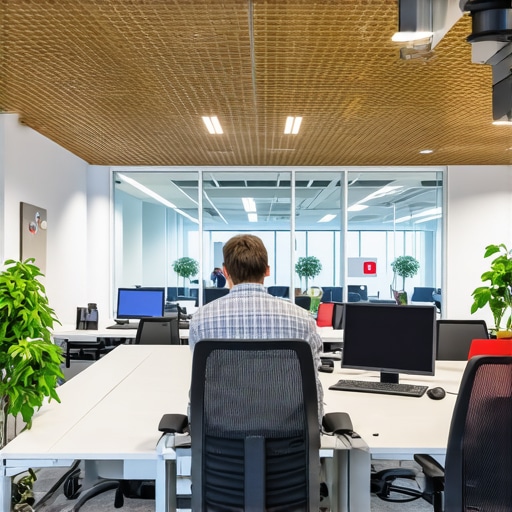 While the popularity of flexible office spaces and innovative conference rooms continues to grow, many entrepreneurs still cling to misconceptions that can hinder their startup’s progress. One common myth is that traditional office settings are inherently more professional and credible than coworking environments. However, studies show that carefully curated coworking spaces can enhance networking, creativity, and investor impressions, challenging this outdated belief. For example, high-end coworking hubs with top-notch tech and design are often preferred over sterile corporate offices for pitch meetings, as they foster a more dynamic atmosphere.
Another nuance often overlooked is the assumption that all meeting rooms are created equal. Many founders underestimate the importance of designing spaces that promote collaboration and focus. Investing in innovative features like flexible seating arrangements, soundproof zones, and smart tech can turn a standard conference room into a powerhouse of productivity. According to experts at Coworking Central, modern meeting rooms that cater to diverse needs significantly boost startup creativity and efficiency. Be cautious, though—overly complex setups without clear purpose can frustrate users and drain resources.
What advanced strategies can elevate your coworking experience beyond basic expectations?
One overlooked advantage is leveraging community-driven opportunities within coworking hubs. Beyond the physical space, these environments offer unique networking channels that can propel your startup forward if used wisely. Joining curated events, mentorship programs, and informal peer sessions allows founders to tap into collective knowledge, often overlooked by newcomers. Coworking spaces like these are redefining innovation ecosystems, as discussed in Coworking Central’s recent analyses.
Keep in mind, however, that not all spaces are transparent about their policies. Be sure to review agreements, such as those outlined in [the privacy policy](https://coworkingcentral.com/privacy-policy), to understand access, data handling, and terms of use that could impact your operations. Misinformed choices—like selecting venues solely based on cost—can lead to hidden fees or incompatible amenities, so thorough due diligence remains critical. Discover more about how tailored online solutions can help you select the perfect space in detailed guides from Coworking Central, tailored for startups at various growth stages. Have you ever fallen into this trap? Let me know in the comments.Maintaining an efficient and productive coworking environment requires more than just selecting the right furniture. It involves strategic use of technology, consistent routines, and a proactive approach to long-term management. One of my most trusted tools for this is the Asana project management software. I personally use it to keep track of booking schedules, maintenance tasks, and team responsibilities, ensuring nothing slips through the cracks. Its task assignment feature is perfect for delegating space upkeep, from scheduling cleaning to technical support.
Another essential for me is SimpleNote, a lightweight note-taking app that helps capture quick maintenance reminders or ideas for space improvements during team meetings. It syncs effortlessly across my devices, so I can reference or update tasks on the fly, fostering a culture of accountability.
When it comes to long-term results, I advocate for regular audits of your conference rooms and coworking areas. Setting monthly check-ins using calendar tools like Google Calendar ensures routine inspections and updates. For example, I schedule bi-weekly tech checks, such as testing Wi-Fi stability and AV system functionality, which prevents unexpected disruptions.
Scaling your coworking space demands an eye on future trends. I predict that integrating AI-based environmental sensors for real-time monitoring of lighting, temperature, and air quality will become standard practice, helping maintain optimal conditions effortlessly. Forward-looking management systems like high-speed internet and smart climate controls will be key to satisfying tenants.
### How do I maintain coworking space quality over time?
Consistency is crucial. Establishing standard operating procedures (SOPs) for space upkeep—covering cleanliness, tech troubleshooting, and user feedback—provides a clear framework for your team. Regular training sessions to reinforce these SOPs keep everyone aligned and proactive.
Remember to leverage innovative tech solutions—like smart booking systems or noise-canceling devices—to streamline operations and enhance user experience.
Don’t overlook the value of community feedback; it’s a vital compass for continuous improvement. Implement simple surveys using tools like Typeform after events or regular workspace visits. Over time, analyzing this data guides targeted upgrades that align with tenant needs.
Investing in reliable tools and establishing disciplined routines will set your coworking space apart for sustainability and growth. Start by experimenting with project management software like Asana or Trello, and see how they help you stay on top of daily maintenance and long-term planning. Maybe set your next bi-weekly tech check today, and watch your space run smoother than ever.
Reflecting on my journey with coworking spaces, I realized the most transformative lessons often come from unexpected places—simple changes that pack a punch. One revelation was how intentionally designing space for deep work not only boosts productivity but also fuels innovation. I learned that carving out dedicated quiet zones and leveraging smart tech can turn ordinary spaces into hubs of breakthrough ideas. Additionally, embracing community-led networking within coworking hubs unlocked collaborations I never anticipated, proving that behind every successful startup are connections built in shared environments. Finally, understanding the subtle art of tech-enhanced meeting spaces transformed my approach to pitches and team meetings, making every interaction count. These insights underscore that investing thoughtfully in your physical workspace and routines can realign your startup’s trajectory, turning everyday environments into powerful catalysts for success.