
It hit me during a typical Monday team meeting, glasses fogging up from the small conference room’s stale air and my patience wearing thin. Despite lining up countless meetings and brainstorming sessions, I realized something crucial was missing—a place for my team to truly step back, breathe, and disconnect during the workday. That lightbulb moment made me question: Are we unknowingly sabotaging our productivity by not providing a dedicated space for a mental reset?
Creating a Haven to Break Free from Digital Overload
In the hustle of startup life, it’s easy to overlook the importance of intentional downtime. We often celebrate relentless hustle, but the truth is, without a dedicated space to disconnect, burnout can creep in faster than we think. I’ve seen firsthand how a simple change—setting up a cozy lounge area or a quiet zone—transformed my team’s energy levels and creativity. It’s not just about physical comfort; it’s about signaling that pause is not a sign of weakness but a strategic move for sustained success. Interestingly, a study published by Harvard Business Review highlights that regular breaks improve creativity and problem-solving skills, which are lifelines for any startup. So, why do so many teams still overlook this?
Is Creating a Disconnect Space Actually Worth the Hype?
Early on, I made the mistake of equating constant activity with productivity, assuming work hard = results. I thought that pushing through without breaks would lead to quicker wins. But in reality, it led to fatigue and diminishing returns. It took me a while to realize that my team’s focus was slipping, and their innovative spark was fading. Implementing a dedicated disconnection zone wasn’t just an aesthetic upgrade; it became a strategic asset, fostering increased engagement and resilience. Would you believe that spaces designed for relaxation can directly boost your startup’s bottom line? If you’re skeptical, you’re not alone—many founders initially dismiss this as unnecessary fluff.
Now, if you’ve faced similar struggles—constant burnout, waning motivation, or paralyzing meetings—it might be time to rethink your workspace strategy. Let’s dive into how to create a space that empowers your team to recharge effectively, fostering not just well-being but tangible business growth.
Design a Dedicated Space for Breaks
Choose an area that’s physically separate from workstations. Use movable partitions or position seating away from desks to minimize distractions. When I implemented this at my startup, I converted an underutilized corner into a cozy nook with bean bags and calming decor. The immediate impact was a noticeable dip in midday fatigue among team members.
Select the Right Environment
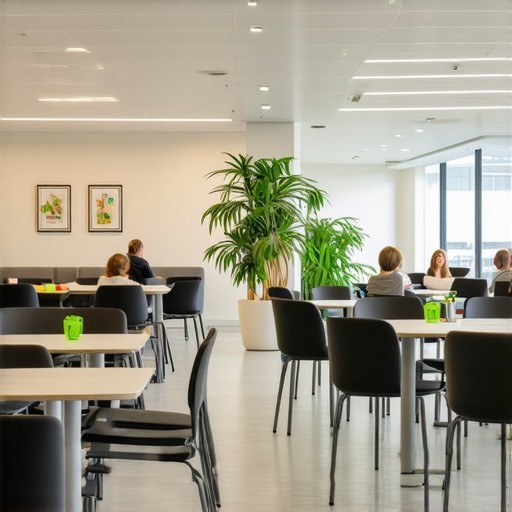
Opt for a quiet zone with minimal electronic noise. Incorporate elements like soft lighting, plants, and comfortable furniture. These choices signal to your team that this space is a retreat. During my rollout, I tested different setups—initially a noisy lounge, which failed to inspire relaxation. Switching to a calm, well-lit area increased usage and downtime quality.
Equip with Mindful Amenities
Provide essentials like water, healthy snacks, and relaxing music or white noise gadgets. Consider adding a few books, puzzles, or meditation guides. I once set up a small tabletop garden in the corner, which became a hit and even sparked casual conversations, fostering community and relieving stress.
Integrate Technology to Support Recharging
Install timers or apps that remind team members to take breaks. Use digital signage to display encouragements or relaxation tips. When I integrated an app that prompted 5-minute breaks every hour, team energy levels improved, and focus during meetings increased. This also helped dissuade the culture of continuous work, which many startups inadvertently promote.
Establish Clear Policies and Expectations
Encourage managers to lead by example—model taking legitimate breaks. Communicate that mental resets are not optional but essential. I found a simple weekly reminder email, emphasizing the importance of stepping away, shifted team perception and normalized downtime.
Develop a Feedback Loop
Regularly solicit input from your team on the recharge space’s effectiveness. Use their suggestions to refine the environment. At one point, feedback indicated overcrowding during peak hours. We responded by expanding seating options and adjusting hours, which significantly improved utilization.
Maintain Consistency and Accessibility
Ensure the space is open and welcoming at all work hours. Avoid creating signs limiting access or making it feel exclusive. Once I kept it accessible 24/7 and promoted it through company channels, team members integrated short breaks seamlessly into their routines.
Remember, creating a space for mental resets isn’t a one-off project. It requires ongoing attention and adaptation. For further insights into optimizing your coworking or conference spaces to foster innovation, explore innovation in meeting rooms or check how to choose venues that truly inspire in select the perfect conference room.
Many entrepreneurs jump into creating startup offices or selecting meeting rooms based on popular beliefs, but there’s a deeper layer of nuances often overlooked. For instance, the common myth that larger conference rooms always foster better collaboration is misleading; in reality, overly spacious rooms can hinder intimacy and spontaneity, critical for innovation. According to research from the Harvard Business Review, the optimal room size for effective brainstorming sessions is surprisingly compact—around 12 to 15 seats—to promote engagement and equal participation. This nuance often escapes founders who prioritize grandeur over functionality.
Another trap is assuming that high-end coworking spaces automatically translate into increased productivity. While quality amenities matter, the true impact lies in the community and environment’s alignment with your company’s culture. A space filled with distractions or mismatched ambiance can erode focus, despite shiny facilities. Be cautious of spaces that are trendy but lack the necessary quiet zones or privacy options—these are essential for deep work and confidential discussions.
For advanced teams, the misconception that all meeting technology is equally effective can sabotage efforts. Not all microphones, video systems, or digital collaboration tools integrate seamlessly or support the specific needs of a project. Investing in high-quality, purpose-built equipment tailored to your team’s workflow makes a noticeable difference. Additionally, poor acoustics—a silent killer in conference effectiveness—is a frequent oversight. Spaces with echoes or background noise diminish communication clarity, leading to misunderstandings. It’s vital to rigorously assess acoustic treatments and layout designs before committing.
Engaging with the subtle intricacies of space utilization can elevate your startup’s potential. It’s not just about choosing a location; it’s about understanding human behavior, technological compatibility, and environmental psychology. For instance, implementing thoughtful seating arrangements that foster spontaneous conversations can unlock insights and partnerships that sterile setups might stifle.
The importance of flexible spaces also deserves mention. Rigid environments hamper adaptability, a key trait for startups. Modular furniture and multi-purpose zones enable smooth transitions between collaborative sessions and focused work, enhancing agility. Forward-thinking spaces that evolve with your team’s needs can become strategic assets rather than just a backdrop.
Have you ever fallen into this trap? Let me know in the comments. For an in-depth look at designing environments that truly support your growth, explore how to select the perfect conference room designed for success at this link.Maintaining an efficient and inspiring workspace requires more than just selecting the right furniture; it hinges on deploying the right tools and establishing solid routines. Personally, I swear by the combination of high-quality conferencing technology and streamlined scheduling methods to keep my team’s collaboration seamless and productivity high.
One tool I rely on heavily is Zoom. While commonplace, I use it not just for virtual meetings but as a hub for sharing recorded brainstorming sessions and key decision documents, ensuring everyone stays aligned regardless of physical location. For real-time collaboration, Notion has become indispensable. It consolidates project updates, meeting notes, and resource links into a single, accessible platform, significantly reducing miscommunication.
Beyond software, I advocate for integrating digital signage—specifically, using dynamic display screens connected to management apps—to remind the team of upcoming meetings, break times, or even motivational quotes. When I installed a programmable display in our conference room, it fostered a culture of punctuality and anticipation, while also alleviating some of the booking conflicts.
Scaling a startup means growth in tools and practices. I foresee a future where AI-driven workspace management will predict resource needs, optimize room booking, and automate maintenance alerts—all based on data analytics. Companies investing now in IoT sensors and machine learning integrations are setting the foundation for this evolution.
How do I maintain my meeting space tools over time?
Regular audits are essential. I schedule quarterly reviews of software licenses and hardware condition, and I stay alert for emerging tech that can streamline our operations further—like AI scheduling assistants. This proactive maintenance minimizes downtime and keeps our environment conducive to innovation.
Don’t just take my word for it—try applying a routine checklist for your tools and consider upgrading to intelligent management systems. For a deeper dive into optimizing your coworking or conference spaces, be sure to explore this insightful article.
The Hardest Lesson I Learned About Startup Spaces
Early in my journey, I believed that flashy furniture and high-tech gadgets would automatically boost productivity. It wasn’t until I meticulously observed my team that I realized the real game-changer was the environment’s subtle cues—like lighting, noise levels, and dedicated rest zones—that influence focus and morale. That lightbulb moment taught me that investing in mindful workspace design yields dividends far beyond aesthetic appeal.
Why Overlooking Small Details Costs More Than You Think
I once underestimated the importance of acoustics in meeting rooms. A simple echo or background noise diminished our communication clarity, leading to misaligned goals and frustration. This experience underscored that paying attention to sensors, soundproofing, and layout can prevent costly misunderstandings and foster better collaboration—crucial for startup agility.
What I Wish I Had Known Before Choosing a Workspace
Simplistic assumptions about size or trendy locations often mask the importance of adaptability and community. I learned that a compact, flexible space that supports spontaneous interactions and privacy can be more valuable than sprawling, flashy environments. This insight saved my team from feeling siloed and uninspired, reminding me that purpose-driven design beats popularity.
Curated Gems That Amplify Workspace Success
- Notion: This all-in-one platform has become my brain for managing projects and notes, reducing chaos and ensuring clarity. I trust its flexibility and integration capabilities.
- LUMU: A digital signage tool that displays real-time updates and motivational messages, fostering a sense of community and mindfulness in shared spaces.
- Robin: An smart room scheduling system that prevents double bookings and helps us optimize our meeting room usage—saving time and reducing friction.
- “The New Office” by Oliver Burkeman: A thought-provoking book that challenged my perceptions about productive environments and emphasized the importance of purpose-driven spaces for startup growth.
Your Turn to Launch the Perfect Space
Designing a workspace that authentically supports your startup’s journey is an ongoing process, rooted in observation, experimentation, and community. Remember, the key isn’t just in the tools or layout but in creating an environment where your team feels energized, connected, and inspired to innovate. So, are you ready to rethink your current workspace and unlock its full potential? Share your thoughts below—I’d love to hear your experiences and ideas.