
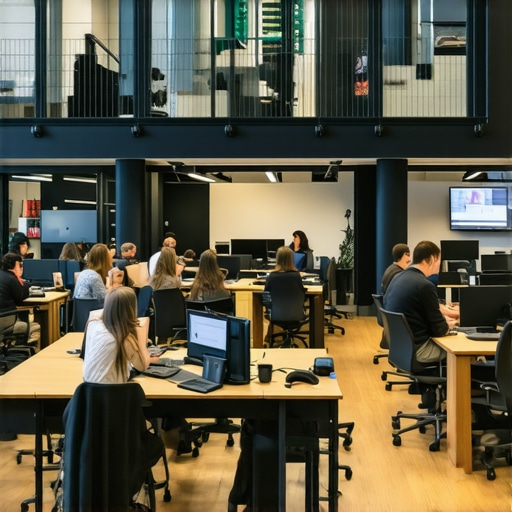
It was a typical Tuesday morning when I realized I was stuck in yet another confusing scramble for a decent meeting spot. My startup team cramped into a tiny corner of a noisy cafe, shouting over each other’s pitches, trying to get the attention of potential investors. The background noise was deafening, the Wi-Fi unreliable, and I couldn’t shake the feeling that this setting was undermining our professionalism. That moment sparked a lightbulb over my head: traditional office leases, with their long commitments and hefty costs, no longer fit the fast-paced, flexible nature of startups anymore.
Embracing Flexibility: The New Norm for Startups
Is On-Demand Office Space Actually Worth the Hype?
The idea of on-demand office space isn’t just trendy jargon; it’s a practical response to the evolving needs of modern startups. I learned early on that sticking to fixed office leases was a mistake—costly, rigid, and often limiting our growth potential. By shifting to flexible coworking solutions, we gained the agility to scale up or down based on project demands, without the risk of sunk costs. As research from CBRE indicates, 70% of startups now prefer flexible workspaces because they foster innovation and reduce overhead expenses.
However, like many entrepreneurs, I initially doubted whether these spaces could provide the professional environment we needed. Would on-demand offices sabotage our credibility? Would more flexible options mean sacrificing quality or connectivity? I made the mistake of choosing a cheap, poorly equipped space early on, thinking I was saving money. Yet, the drawbacks—poor acoustics, unreliable internet, and an uninspiring atmosphere—cost us more in lost productivity than the savings gained. That experience taught me the importance of selecting high-quality, purpose-built coworking environments—like those featured in [top coworking conference rooms for startup success in 2024](https://coworkingcentral.com/best-conference-rooms-coworking-spaces-for-startup-growth-in-2024)—to truly accelerate our growth.
If you’ve faced the frustration of unprofessional meeting environments or the hassle of long-term leases that lock you in, you’re not alone. The good news is, there are smarter, more adaptable options that can elevate your startup’s image and operational flexibility without draining your resources. In the sections ahead, I’ll walk you through practical steps to leverage on-demand office spaces effectively and transform your approach to meetings, collaboration, and growth.
Choose the Right Space to Impress
Start by identifying what you need — size, amenities, and purpose. I once booked a generic conference room that looked fine online, but upon arrival, it lacked soundproofing and proper tech setup, leading to distraction and frustration. Instead, I now focus on spaces that specifically cater to professional presentations, with soundproofing and high-speed internet. Use resources like best coworking conference rooms for startup growth in 2024 to find options tailored for startups aiming to project credibility.
Assess Tech to Avoid Fumbles
Reliable internet, high-quality video conferencing tools, and proper lighting are non-negotiable. I check these before confirming any booking. For example, I once faced a severe glitch with outdated AV equipment, disrupting an investor pitch. Now, I prioritize spaces with high-speed connectivity and tested tech setups. Always test the environment beforehand or arrive early to troubleshoot any issues, ensuring your presentation goes smoothly.
Design for Engagement and Focus
Arrange seating to foster interaction while maintaining focus. I’ve used movable furniture kits offered in coworking spaces to set up the room optimally. Visual clarity matters; I employ creative coworking strategies to turn generic conference rooms into vibrant collaboration hubs, boosting energy and idea flow. Incorporate elements like whiteboards, screens, or even branded backdrops to reinforce professionalism and clarity.
Polish Your Presentation Environment
Lighting and acoustics influence perception. Harsh fluorescent lighting or echo-prone rooms can undermine your message. I learned this the hard way when my pitch deck presentation was marred by poor acoustics. Now, I select spaces with adjustable lighting and soundproofing, ensuring you can command attention. For guidance, see why lighting matters.
Prepare for Flexibility and Last-Minute Needs
Sometimes, plans change unexpectedly. Keep a list of pre-vetted spaces you can book on short notice—think of it as your emergency kit. I routinely check last-minute booking spots and maintain relationships with local coworking providers. This flexibility can save crucial moments, especially when facing investor impromptu meetings or critical calls.
Put It All to Practice
Once you identify your ideal spaces, create a checklist—technology, environment, accessibility—and evaluate each option systematically. During a pivotal product demo, I used a premium coworking conference room, which I booked through a trusted provider. The professionalism of the space complemented our pitch and left a lasting impression. Regularly revisit your criteria and update your network of spaces as your startup grows or your needs evolve.
Remember, the room you choose isn’t just a backdrop—it’s part of your story, your brand, and ultimately, your success. Mastering the selection and setup of quality meeting spaces can dramatically accelerate your startup journey and project confidence at every stage.
 When it comes to selecting meeting rooms for startups and coworking environments, many entrepreneurs cling to popular beliefs that might be holding them back. For example, the common assumption is that bigger, more luxurious spaces automatically translate to credibility. But in reality, this can lead to inflated costs and underutilized areas that drain resources—an advanced mistake that many overlook. Instead, focusing on functional layouts and essential amenities often yields better results, as highlighted by startup success stories emphasizing quality over grandeur.
Why Do Some Startups Overlook the Power of Space Customization?
This nuanced mistake involves underestimating how adaptable a space can be to your team’s specific needs. Many believe a conference room’s standard setup suffices, but customizing furniture, technology, and acoustics can dramatically boost productivity and engagement. Neglecting this can result in sterile environments that stifle creativity, a trap I avoided after redesigning our meeting area based on targeted functionality—leaving us more agile and innovative. Furthermore, a significant myth persists that all coworking spaces are created equal. The truth is, the *hidden nuance* is that not all spaces foster the same level of innovation; spaces that prioritize community, with dedicated zones for collaboration, often outperform traditional, generic setups. A 2023 study by coworking central emphasizes that coworking environments focusing on intentional design significantly boost startup productivity and networking prospects. If you’re still relying on the misconception that cost-cutting is always the way to go in choosing a meeting environment, you could be missing out on strategic advantages by settling for subpar spaces. Instead, look for options that align with your growth trajectory, like those featured in [top coworking conference rooms for startup success in 2024](https://coworkingcentral.com/best-conference-rooms-coworking-spaces-for-startup-growth-in-2024). One trap to avoid is selecting a meeting space based solely on proximity or price, ignoring how well the environment supports your startup’s culture and goals. For instance, investing in a space with high-speed connectivity and flexible arrangements can streamline your operations and impress clients—details that easily get overlooked but can make or break an investor pitch. As you evaluate spaces, ask yourself: Are these environments fostering collaboration and innovation? Or are they just convenient spots? Remember, a well-chosen space is an extension of your brand. For some advanced insights, review how to [maximize productivity in your startup’s conference rooms](https://coworkingcentral.com/how-to-maximize-productivity-in-your-startups-conference-rooms-by-0245-pm), or even explore how [dynamic coworking spaces can unlock innovation](https://coworkingcentral.com/coworking-spaces-unlock-innovation-top-meeting-rooms-of-2025-at-1123-am). Thanks for staying with me—have you ever fallen into this trap? Let me know in the comments.Maintaining a high-quality meeting environment is crucial for startups aiming to project professionalism and foster collaboration. For this, selecting the right tools and establishing effective practices can make all the difference. One essential tool I rely on is Calendly, which streamlines the scheduling process by allowing team members and clients to book available slots without endless email back-and-forths. It integrates seamlessly with Google Calendar, ensuring everyone stays in sync. Additionally, I use Zoom Premium for virtual meetings, especially when high-quality video and robust security are non-negotiable, which has proven vital during investor pitches and remote client presentations.
For in-room technology, I prioritize Atlona AV over IP solutions. According to technical experts, Atlona’s systems offer scalable, reliable connectivity, ensuring that conference rooms can support multiple devices without signal degradation (source). This choice mitigates common issues like lag or dropped connections, keeping meetings smooth and distraction-free. I also recommend investing in Logitech Rally cameras and microphones—a combination that delivers crisp video and clear audio, even in larger spaces. The quality of remote communication significantly impacts engagement and decision-making.
Beyond hardware, I utilize Notion as a centralized knowledge base for setting up maintenance routines, checklists, and documenting tech issues. Regularly updating troubleshooting guides in Notion ensures that any team member can fix minor glitches swiftly, preventing disruptions. These routines could include weekly checks of all tech components, verifying internet speeds with testing connectivity, and updating software firmware.
To future-proof your setup, keep an eye on trends like AI-driven room management systems. Companies like RoomReady are developing solutions that automatically adjust lighting, temperature, and even scheduling based on usage patterns—saving time and enhancing user experience. I believe this trend will accelerate as smart offices become the norm.
If you haven’t already, try implementing a “tech health check” routine at least once a month, including testing your internet connectivity, remote equipment, and scheduling software. This proactive approach can significantly reduce downtime and keep your meetings running seamlessly. For additional insights on optimizing your conference spaces, explore strategies to maximize your startup’s meeting efficiency. Staying vigilant with these tools and routines will ensure your team remains productive and your professional image intact as your startup scales.
When I first ventured into selecting meeting spaces for my startup, I fell for the myth that bigger and more luxurious equate to professionalism. That misconception led me to overpay for rooms that sat largely unused and failed to meet our specific needs. The real breakthrough came when I focused on customizing spaces that fostered collaboration and adaptability—proving that purpose beats grandeur every time. Sometimes, the best room isn’t the one with the highest price tag, but the one that’s intentionally designed to align with your team’s unique workflow and culture.
Lessons from the Trenches: What I Wish I Knew About Meeting Environments
- The Value of Flexibility Over Size: Small, well-equipped spaces that can adapt to various activities often outperform large, static rooms that feel impersonal and limiting.
- Prioritizing Technology Stability: Investing in reliable connectivity and good acoustics upfront saves countless hours and keeps your team focused on what truly matters—growth and innovation.
- The Power of Purpose-Driven Design: Tailoring your meeting environment enhances engagement and can spark creativity, turning mundane meetings into catalyst sessions for your startup.
- Mythbusting Cost Savings: Opting for the cheapest option can backfire, leading to distractions and frustrations that drain productivity. Sometimes, paying a bit more ensures a seamless experience that impresses clients and investors alike.
Tools and Resources that Transformed My Approach
- High-Speed Connectivity with Atlona AV over IP solutions—trustworthy tech that reduces glitches and keeps meetings smooth. Learn more here.
- Smart Scheduling with Calendly, which streamlines appointment setups and cuts down on scheduling chaos, so you spend more time building your startup. Find out how.
- Quality Video Equipment like Logitech Rally cameras—crystal-clear visuals that communicate professionalism during remote pitches and remote team meetings.
- Knowledge Management with Notion—keeping your tech setup, routines, and troubleshooting guides organized for quick problem solving.
Seize Your Meeting Moment and Push Forward
Choosing the right meeting environment isn’t just about logistics—it’s a strategic move that reflects your startup’s professionalism and foresight. Every good meeting room is a blank canvas awaiting your team’s creativity and purpose. As you refine your selection process, remember that the best spaces are those that grow with you, fostering connections, inspiration, and success along the way. Whether you’re booking a last-minute conference room or reevaluating your workspace strategy, embrace the opportunity to create environments where your startup can thrive. Ready to transform your meetings and accelerate your growth journey? Dive deeper into the top conference rooms that can elevate your startup success in 2024 by exploring the solutions outlined in these curated spaces. When have you last reconsidered your meeting environment? Share your story below—I’d love to hear your experiences in crafting the perfect startup workspace.