
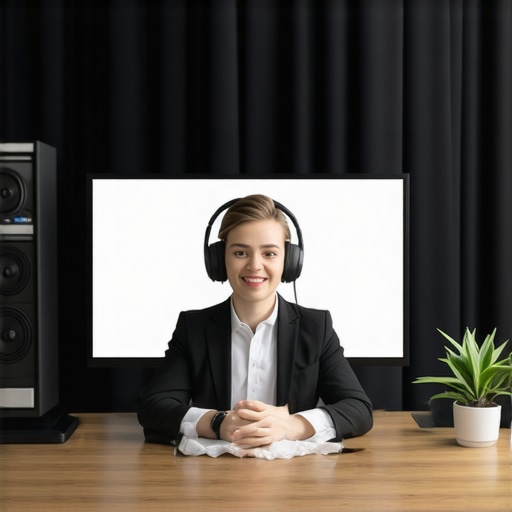
Have you ever jumped into a webinar, only to be met with the hum of nearby conversations, the clatter of dishes, or even the muffled voices of your coworkers? I’ve been there. One moment, you’re excited to share your ideas, and the next, your presentation gets drowned out by the sounds of a bustling coworking space or a noisy conference room. That was a real lightbulb moment for me—realizing that backdrop noise isn’t just annoying; it can completely derail your message and damage your credibility.
The Hidden Struggle of Hosting Webinars in Noisy Environments
My journey to hosting crystal-clear webinars started with a frustrating realization: no matter how good my content was, background noise could sabotage it all. I used to think that picking any quiet corner would do the trick. Spoiler alert—most shared spaces are far from silent. This realization hit when prospects complained about poor audio quality during my virtual pitches, even though I believed I was in a quiet spot.
The truth is, background noise isn’t always obvious until it’s too late. It sneaks in from open office layouts, shared conference rooms with lingering chatter, or even from outdoor areas if you’re not careful. As I learned, simply hoping the sounds would disappear isn’t enough. According to a study by Harvard Business Review, poor audio quality in virtual meetings can reduce participant engagement by up to 30%. That statistic made me realize that investing in good sound isn’t just about professionalism—it’s about meaningful communication.
Why This Matters to You Right Now
If you’re reading this, chances are you’ve faced struggles similar to mine. Perhaps you’ve been caught off guard by the noise during a crucial presentation, or maybe you’re tired of apologizing for poor audio during client calls. The good news is, solutions exist—and they’re more accessible than you might think.
Whether you’re hosting a high-stakes investor call or a training session for your team, the environment you choose can make or break your success. Creating a space that minimizes background noise doesn’t require a fancy studio; it just takes some strategic planning and a few trusted tools. Want to discover how I transformed my noisy space into an acoustically optimized zone? Keep reading, because I’m about to share the practical steps that made all the difference.
Is Soundproofing Overhyped—or Absolutely Necessary?
Early in my journey, I made the mistake of overlooking the importance of proper space selection. I thought a quiet corner was enough, but without real soundproofing, the noise would bleed in. This simple oversight led to many awkward moments and the realization that real solutions involve both environment and equipment. If you’re skeptical—believe me, I was too—you’ll want to see how investing in the right setup can save you from those embarrassing moments. Curious about the most effective strategies? I’ll guide you through them soon. Ready to elevate your webinar game? Let’s get started.
Choose the Right Space from the Start
Select a dedicated, enclosed area for your webinars to minimize external noise interference. If you’re in a coworking space, look for rooms that are away from busy hallways or common areas. I learned this quickly when I booked a conference room at our local coworking hub—initially, it seemed perfect, but I overlooked the street noise outside. During my first virtual pitch from there, sirens and honking swept in, ruining my focus. After that, I prioritized rooms with solid walls and doors that fully close, which significantly reduced background disturbances.
Invest in Physical Soundproofing Accessories
Enhance your chosen space with simple, cost-effective soundproofing tools. Use heavy curtains or acoustic blankets on windows and walls to absorb echoes and outside noises. Applying weather stripping around door frames creates a tighter seal, blocking out hallway sounds. I once used foam panels and was amazed at how much clearer my audio became, especially during dawn calls when outside traffic was lighter. These small upgrades are surprisingly impactful without needing a professional sound studio setup.
Optimize Your Microphone Setup
Use Directional Microphones
Switch to a cardioid or shotgun microphone that focuses on your voice and cuts out surrounding sounds. During a critical investor call, I swapped my laptop mic for a dedicated directional mic, which immediately improved clarity and reduced distractions. Think of it like a flashlight that illuminates only what matters—your voice—while dimming the background.
Implement Noise Suppression Tools
Leverage software features like noise cancellation available in Zoom, Teams, or stand-alone apps. These algorithms filter out ambient sounds like typing, pet noises, or HVAC hums. I once forgot to turn off my fan during a presentation, but enabling noise suppression disguised the hum so well that my audience never noticed. Testing different settings before your call ensures you get the best balance between clarity and natural sound.
Leverage External Environments for Peak Clarity
If your space is still noisy, consider booking a quiet meeting room at your coworking space or a nearby café with soundproof booths. Check out top coworking meeting rooms for startup growth to find spaces designed for high-quality audio. I remember renting a small conference pod during a crucial project update, which significantly elevated the professionalism of my presentation and kept my audience engaged.
Test and Fine-Tune Before Going Live
Standardize your setup by recording a short test call to evaluate audio quality. Listen for lingering background noises or echo and adjust your environment or equipment accordingly. During my pilot test, I realized that a slight rearrangement of furniture reduced echo substantially. Regular testing helps you spot issues early and adapt your setup, avoiding embarrassing moments during actual meetings.
Maintain a Consistent Routine
Develop habits like setting up your equipment 15 minutes before each call and confirming your environment is quiet. Consistency ensures you’re always prepared when a spontaneous virtual meeting arises. Over time, I found that maintaining a dedicated, always-ready space prevents last-minute chaos and helps you stay professional—even in your pajamas.
Implementing these actionable steps, from smart space selection to hardware investments, creates an environment where your voice is heard clearly and your message lands effectively. Start by assessing your current setup and tackling one priority area at a time. Gradually, you’ll transform your noisy, unpredictable environment into a powerhouse for compelling virtual communication.
While many believe that simply choosing a coworking space or conference room guarantees productivity and success, the truth runs much deeper. One common misconception is that all shared or rented spaces are created equal — but in reality, not understanding the nuanced needs of your startup can lead to costly mistakes. For instance, opting for a popular, trendy coworking hub might seem ideal, but if it becomes overcrowded or noisy during critical meetings, your team’s focus and professionalism suffer. A study by Harvard Business Review highlights how environment quality directly impacts team performance, meaning not all spaces are suited for high-stakes interactions.
Another subtle trap is underestimating the importance of space customization and acoustics. Many startups overlook that even minor sound bleed or poor lighting can diminish the quality of presentations or negotiations. Instead of blindly trusting the most visible or accessible room, savvy founders analyze details like soundproofing, privacy, and layout—elements that can make or break an important client pitch. For example, transforming a standard conference room into a collaboration hub isn’t just about furniture; it’s about creating an environment that fosters communication. You can explore innovative ideas like modular setups or dedicated quiet zones through resources like creative coworking strategies.
A common myth is that larger, more elaborate meeting rooms inherently boost credibility. On the contrary, a cluttered or poorly maintained space can undermine your professionalism. The key is selecting facilities that reflect your brand and meet your specific needs, not just those that seem ‘upscale.’ This is especially critical for startups aiming to attract investors or partners; every detail, from lighting to technology setup, sends a message. If you’re unsure how to choose the ideal environment, consulting expert guidance on selecting conference spaces can provide invaluable insights.
An advanced question often overlooked is: How does the choice of coworking or meeting environment influence your team’s mindset and innovation? The physical space can significantly affect creativity, collaboration, and motivation. According to a survey published in the Journal of Environmental Psychology, workspace design influences cognitive performance and emotional well-being—factors crucial for startup growth. Creating dedicated zones for brainstorming and focus can cultivate a culture of innovation. So, before booking that last-minute conference room or settling for a nearby café, consider how your environment shapes your startup’s DNA.
Have you ever fallen into this trap? Let me know in the comments.
Stay Consistent with the Right Tools
Maintaining an efficient coworking and meeting environment isn’t a one-time effort; it requires the right equipment and software. For a startup, I personally swear by BlueSnowball Microphones for their clarity and affordability, ensuring my audio remains crisp even in less-than-ideal environments. Pair this with Zoom’s Advanced Noise Suppression feature, which filters out background sounds and keeps your communication professional. Regularly update your software to benefit from the latest noise-canceling algorithms and security patches.
Implement Routine Checks and Maintenance
Long-term success hinges on routine maintenance. Schedule weekly audits of your audio equipment—cleaning microphones, checking connections, and updating drivers. Also, periodically review your room acoustics; adding foam panels or heavy curtains can make a surprising difference. These simple, proactive steps prevent minor issues from escalating into major disruptions, as I learned the hard way when a faulty mic caused a critical client call to be lost.
Leverage Reliable Booking and Space Management
Consistently booking the right spaces is crucial. Use tools like meeting room management software that allow you to reserve and verify your space ahead of time. This reduces last-minute scrambling and ensures your environment is suited for professional interaction. Regularly reviewing your space options, such as the top coworking meeting rooms for startups, helps you adapt as your team grows.
Predicting Future Trends in Meeting Tech
Looking ahead, I see a rise in AI-enhanced audio and video tools that automatically adjust settings based on room acoustics and participant voices. These innovations will make maintaining clarity even easier, freeing you to focus on content. To stay ahead, I recommend experimenting with tools like AI-powered conferencing solutions. Embracing these will keep your meetings seamless and professional, no matter how noisy your environment.
How do I keep my meeting environment reliable over time?
Adopt a cycle of regular reviews, equipment upgrades, and space audits. Developing routines such as weekly tech checks and quarterly space assessments ensures your setup remains optimal. For example, dedicating time to evaluate the acoustics of your conference rooms and upgrading soundproofing when needed can prevent costly disruptions. Consistency in maintenance not only prolongs the life of your tools but also builds a culture of professionalism within your team. Challenge yourself to integrate one new maintenance tactic each month—like trying out a new noise-canceling app or reconfiguring your room layout to optimize sound flow. Want a jumpstart? Try using professional-grade acoustic panels in your main meeting areas—it’s a game-changer for long-term clarity.
By investing in the right tools, routines, and strategic space choices, your startup can sustain high-quality communication well into its growth phase. Remember, technology is an enabler; regular maintenance keeps it reliable.
The Cost of Overestimating Your Quiet Spot
One of my biggest mistakes was assuming any corner would do the job. I didn’t realize that even seemingly quiet spaces can be compromised by external noise or poor acoustics. This realization pushed me to think beyond mere location and invest in proper environment optimization, quickly discovering that the right setup transformed my meetings from chaotic to professional.
Secrets I Didn’t Expect to Learn About Space Choice
Choosing a space isn’t just about availability; it’s about acoustic isolation and ambiance. I found that rooms with thick walls, doors that fully shut, and minimal foot traffic made an incredible difference. An overlooked detail? The presence of reflective surfaces which can cause echo—something simple like adding acoustic panels made a world of difference.
The Reality About Equipment — It’s More Than Just a Microphone
Investing in quality microphones was a game-changer, but equally important was software noise suppression. I discovered that a good mic combined with noise-canceling filters enhanced clarity and professionalism. Testing different setups beforehand ensured my audio was spotless, avoiding those embarrassing moments when background noise creeps in during critical calls.
My Journey with Space & Tech: The Enlightening Pivot
Adjusting my environment and tools reshaped not just my webinar quality but also my confidence. As I integrated these lessons, I understood the importance of routine checks, maintaining equipment, and selecting spaces that truly support my startup’s momentum. Regularly reviewing and upgrading my environment kept me ahead, preventing disruptions and keeping my message clear and credible.
Insights That Changed My Perspective on Coworking & Meeting Spaces
Initially, I believed all coworking spots were equal. I soon realized that understanding specific acoustics, privacy, and layout details could dramatically impact my professionalism. For startups aiming to impress investors or partners, every detail counts. Choosing the right environment isn’t just about convenience; it’s a strategic move that reflects your brand and influences perception.
Embracing the Future: What’s Coming Next for Meeting Tech
Looking ahead, AI-driven audio and visual enhancements will make managing noise even easier. Tools that automatically adjust to room acoustics can revolutionize how startups communicate remotely. Staying abreast of these innovations is vital—experimenting with emerging solutions like AI-powered conference tools can help you keep your meetings seamless and professional, regardless of environment noise levels.
Insider Wisdom You Won’t Find in the Regular Tips
- Don’t underestimate room selection—tiny details like wall thickness and door seals make a difference.
- Test your environment regularly, not just when you have an important call—routine audits ensure ongoing clarity.
- Invest in both hardware and software—microphones, noise suppression, and room setup are all part of a cohesive strategy.
- Leverage flexible spaces designed for high-quality audio, like top coworking conference rooms, to elevate your professionalism.
- Plan ahead: booking the right environment is a strategic move—don’t leave it to chance during crunch times.
Find Your Sound Sanctuary and Keep Your Message Clear
Creating an environment that amplifies your voice while silencing distractions isn’t just about equipment—it’s about intentional space planning and routine maintenance. As your startup grows, so should your environment’s capability to support your goals. Start with assessing your current setup, then take small, deliberate steps: upgrade your room, fine-tune your gear, and adopt a maintenance routine. These investments will pay dividends in your communication effectiveness and overall credibility.
Remember: the space you choose and how you equip it reflect your startup’s professionalism. Don’t let noise undermine your vision. Make your environment work for you, and watch your messaging resonate more powerfully than ever before.