
Picture this: It’s 3 PM during your busiest workday at the coworking space, and suddenly, your stomach starts growling like a bear waking from hibernation. You reach into your bag, only to find an empty wrapper or, worse, nothing at all. We’ve all been there—starving mid-morning or desperate for a quick energy boost, only to realize our snack stash has dwindled away. It’s in moments like these that I finally understood the importance of having reliable snacks tucked away in my coworking locker.
Why Having Snacks on Hand Is a Game-Changer for Coworkers
Let’s be honest: staying productive in a coworking environment isn’t just about having a good desk or a comfy chair. It’s about maintaining energy levels, avoiding those sluggish afternoon dips, and keeping your mind sharp enough to brainstorm ideas or closing deals. The right snacks can be your secret weapon, giving you the boost you need without disrupting your workflow.
Early in my coworking journey, I made the mistake of neglecting my snack supply, thinking I’d just power through with coffee or water. That was a mistake. I found myself irritable, unfocused, and struggling to complete tasks. A simple snack could have prevented this misery. According to nutritionists, maintaining steady blood sugar levels by snacking smartly can significantly improve concentration and mood (source). So, what should you keep in your coworking locker? That’s what we’ll explore today.
No, You Don’t Need to Stock Up on Caviar
Now, I admit, I was initially tempted to go for luxury items—or at least the most trendy health bars I read about online. But, honestly, some of my most effective coworking snacks are simple, affordable, and easy to carry. The key is variety, shelf life, and easily portable options that satisfy different cravings. I’ve learned that #1, not all snacks are created equal, and #2, not all of them are worth the space in your discount bin.
So, are you tired of rummaging through your bag, only to find a half-eaten granola bar or stale pretzels? Do you want to turn that mid-afternoon slump into a power surge? Great. Because next, I’ll share exactly which snacks have become my trusted allies—snacks that keep me energized and focused, no matter how long my to-do list gets.
Stock Your Locker with These Essentials
Start by choosing snacks that require no preparation and have a long shelf life. Think mixed nuts, protein bars, dried fruit, or whole grain crackers. I personally keep a variety pack in my locker, rotating options weekly to avoid boredom and ensure freshness. Remember, avoiding snacks that spoil easily—like fresh fruit or dairy—is crucial for convenience.
Create an Easy Replenishment System
Set a recurring reminder to restock your snacks every two weeks. Treat it like a mini project: choose a day, check your current supply, and order in bulk from online retailers to save money. Once your delivery arrives, dedicate 10 minutes to restocking your coworking locker, just as you would organize a meeting room before an important client visit.
Organize Your Snacks for Quick Access
Use small containers or zip-lock bags to separate snack types—sweet, salty, crunchy, chewy. Place them at the front of your locker for easy grab-and-go during work hours. This minimizes downtime during busy stretches, allowing you to maintain focus without rummaging through clutter.
Plan for Cravings and Nutritional Balance
Pair high-protein snacks like nuts with fiber-rich options such as dried fruit to keep blood sugar stable. For example, combine almonds with dried apricots. During a messy moment in my coworking space, I realized my snack assortment lacked balance, leading me to feel sluggish. Now, I prepare balanced snack packs in advance, ensuring sustained energy without the sugar crashes.
Utilize Local Resources and Community Connections
If your coworking space offers communal snacks or has a community marketplace, participate actively. Engaging with fellow members can introduce you to local suppliers or bulk deals on healthy snacks. I discovered a small health food store nearby through an event in the coworking community, which became my go-to for organic snacks—saving money and supporting local businesses.
Remember, your snack strategy is just like selecting a conference room: it requires planning, organization, and understanding your needs. For more insights on maximizing your coworking environment, check out our guide on how to boost productivity in conference rooms or explore networking tips in coworking spaces. A well-stocked, thoughtfully organized snack stash can be your secret weapon, turning ordinary workdays into exceptionally productive ones.Many entrepreneurs and remote workers fall into the trap of believing that coworking spaces are just flexible offices with trendy amenities. However, that misconception overlooks the nuanced dynamics that make or break your productivity in these environments.
Are All Coworking Spaces Created Equal for Collaboration?
Contrary to popular belief, not all coworking spaces promote innovation equally. While some tout open layouts and communal areas, these designs can actually hinder deep focus and creative thinking. According to a study by Harvard Business School, excess openness without designated quiet zones can reduce overall productivity and increase noise-related stress (source). This highlights the importance of understanding the spatial design that best supports your workflow.
Another common myth is that high-end amenities automatically lead to better work results. In reality, resource overload can distract more than it helps, especially if the space isn’t tailored to your specific needs. For startups, choosing the right conference room isn’t just about aesthetics; it’s about functionality tailored to your meeting goals. Do you know how to select a space that aligns with your team’s creative process? For insights on this, refer to our guide on conference room selection.
Beware of the trap of underestimating acoustic quality in meeting rooms. Poor soundproofing leads to wasted time and fractured communication, which can be disastrous during investor pitches or client negotiations. Investing in spaces with better acoustics can elevate your professional image and ensure clarity in critical conversations (read more here).
Finally, many startups overlook the opportunity embedded in community engagement within coworking environments. Networking isn’t just about exchanging pleasantries; it’s a strategic tool for growth. Participating actively in community events or utilizing top coworking environments for networking can unlock partnerships that propel your startup forward (discover how). Have you ever fallen into this trap? Let me know in the comments.
Maintaining an efficient coworking environment requires more than just selecting a great location and offering a few amenities. It demands a strategic approach to tools and processes that ensure long-term productivity and seamless operations. From hardware setups to software management, choosing the right tools can make all the difference.
Optimize Your Workspace with Robust Hardware
Investing in high-quality audiovisual equipment is essential, especially for virtual meetings and presentations. I personally rely on the Logitech MeetUp Webcam paired with a reliable microphone like the Rode NT-USB. These tools guarantee clear audio and video, reducing misunderstandings during remote collaborations. Moreover, a smart thermostat such as the Nest Learning Thermostat helps manage climate control efficiently, preventing energy waste and keeping the space comfortable for all users.
Harness the Power of Management Software
Streamlining reservations, billing, and community engagement starts with integrated management platforms. I recommend MemberHub because it consolidates booking, memberships, and communication into one dashboard. Automating check-ins with digital key systems like Openpath not only enhances security but also minimizes front-desk bottlenecks, creating a better experience for members.
Implementing Effective Communication Channels
Keep everyone on the same page with tools like Slack. I suggest creating dedicated channels for announcements, technical support, and social interactions. Regular updates prevent miscommunications and build a cohesive community vibe. For deeper engagement, integrating networking initiatives through virtual events can foster collaboration beyond the physical space.
Prioritize Maintenance and Upkeep
Creating a schedule for regular equipment checks and cleanliness ensures the space remains inviting. Using maintenance management tools like UpKeep helps track repairs and schedule inspections proactively, preventing costly breakdowns. Additionally, deploying IoT sensors can monitor humidity and air quality, directly impacting member health and safety. Better acoustics improve focus, and investing in soundproofing solutions will pay dividends over time.
Planning for Growth and Scaling
As your coworking community expands, adapting your tools is crucial. Employ cloud-based platforms that scale with your needs, such as flexible conference room booking systems. These tools help manage larger groups without sacrificing quality. Stay ahead of trends by monitoring industry innovations—like AI-driven space optimization—to anticipate future demands and remain competitive.
How do I maintain these tools over time?
Regular training sessions for staff and community managers ensure everyone uses the tools effectively. Schedule bi-annual reviews to evaluate software performance and stay updated on new features or better alternatives. Establishing partnerships with your vendors can also provide priority support, minimizing downtime. Remember, the key is consistency—keeping your tools updated and your processes refined guarantees a thriving coworking environment.
Start by selecting one of these advanced tools today—like integrating IoT sensors for air quality—and watch your space’s efficiency soar. You may find that small, targeted upgrades lead to big results, transforming your coworking space into a well-oiled machine capable of scaling effortlessly in the future.
What I Wish I Had Known About Coworking Right From the Start
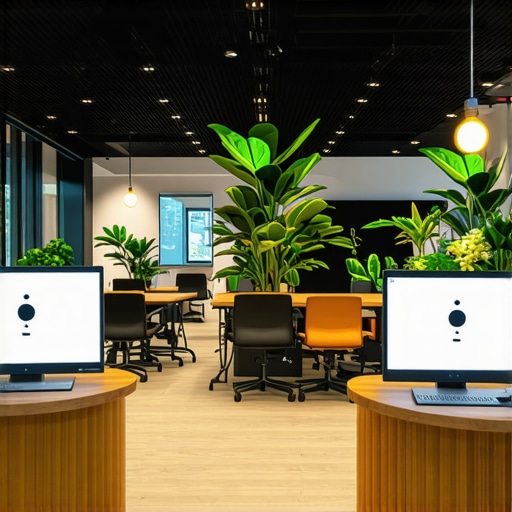
One of my biggest lightbulb moments was realizing that even the most beautifully designed coworking space can fall flat if I don’t adapt my routines and tools. I used to think that picking the perfect space was enough, but I learned that behind-the-scenes organization and personal habits truly shape your productivity. For example, overloading my locker with snacks led to clutter and wasted space, whereas intentional planning kept me energized without chaos.
Another insight was the myth that communal areas are always conducive to collaboration. Sometimes, I found that quiet zones or private rooms actually sparked deeper focus and innovative thinking. Understanding the nuanced dynamics of coworking environments helped me leverage different spaces strategically, turning the environment itself into an asset rather than a distraction.
Finally, I discovered that investing in reliable hardware—such as clear webcams and quality microphones—transformed my remote interactions. When I prioritized seamless tech, I avoided misunderstandings and projected professionalism, which paid dividends during critical meetings. These personal lessons emphasize that coworking success blends space, tools, and habits into a cohesive workflow, often in ways I hadn’t initially appreciated.
Tools That Elevated My Coworking Journey
My go-to management software, MemberHub, has been indispensable in organizing memberships, bookings, and community updates. It’s trusted because it simplifies what used to be chaotic paperwork into a single dashboard. For communication, Slack became my lifeline, fostering quick updates and informal chats that keep the community connected and engaged. I rely on community-building resources to refine how I nurture collaborations and network effectively. Lastly, I’ve found that tools like IoT air quality sensors help maintain a healthy environment, directly impacting my team’s focus and well-being—safeguards I wish I had prioritized earlier.
Your Next Step Can Spark a Transformation
Remember, coworking isn’t just about finding a trendy space; it’s about creating an ecosystem that fuels your startup’s growth. Whether it’s optimizing your conference room setup or establishing a snack routine, these small changes can lead to significant breakthroughs. The future of coworking lies in intentional organization, smart tool adoption, and continuous refinement—so don’t wait to start turning your space into a productivity powerhouse.
Now, I’d love to hear from you: What’s the one tweak you plan to make in your coworking routine today? Share your thoughts below, and let’s grow together!