

I remember sitting in a bustling coffee shop, nervously trying to pitch my startup idea. The barista was steaming milk behind me, and a group of freelancers were deep into their laptops nearby. As I fumbled through my presentation, I felt the noise and casual atmosphere gnawing at my confidence. It hit me then—this environment isn’t just noisy; it’s a real barrier to closing big deals.
disruptive environment: Why casual meeting spots can undermine your startup’s credibility
In my early days, I believed that grabbing an investor over coffee was the way to go—casual, relaxed, personal. But I quickly learned that informal settings like coffee shops and coworking lounge areas often unintentionally send the wrong message. Investors are looking for professionalism, focus, and a space that shows your startup means business. The casual vibe can make you seem unprepared or unserious, no matter how polished your pitch.
Have you ever felt that discomfort of trying to sound confident while the noise of a busy caffeinated hub surrounds you? You’re not alone. I made the mistake early on of dismissing the importance of setting, thinking that a good pitch could shine anywhere. Turns out, environment matters more than I thought. According to a study published in the Harvard Business Review, the atmosphere during meetings influences decision-making and perceptions of credibility — environments that are busy or chaotic can distract and diminish your influence.
This is where purpose-built meeting spaces or professional conference rooms come in. They aren’t just about fancy furniture; they’re about creating an environment that commands respect and fosters clear communication. If you’re serious about closing funding rounds, switching from coffee shop pitches to a dedicated meeting room can be a game-changer.
In this post, I’ll walk you through how to identify the ideal environment for your investor meetings and why this shift can make all the difference for your startup. Ready to ditch the noisy coffee shop and step into a space designed for success? Let’s get started.
Select the Perfect Space for Investor Meetings
First, evaluate your current venues critically. Imagine your meeting room as the stage of a play; it needs to support your performance, not distract from it. Start by seeking out professional conference rooms that align with your startup’s image. Locations near your target investors add convenience and demonstrate seriousness. Make sure the space communicates professionalism through clean decor, adequate lighting, and branding elements.
Book in Advance and Consider Flexibility
Plan ahead by reserving your meeting space well in advance—this avoids last-minute compromises that might push you into less ideal environments. Use scheduling tools or booking software to secure prime slots during peak hours. If your meeting needs shift unexpectedly, flexible options like hourly rentals or on-demand conference rooms offer the agility to adapt without sacrificing quality.
Design Your Meeting for Impact
Transform the space to maximize your credibility. Opt for a layout that fosters eye contact and engagement—think of a roundtable setup rather than a classroom arrangement. Bring the right tech: a crisp projector or large screen, reliable internet, and clear audio equipment. An environment with natural light will keep energy levels high and boost your confidence, leading to better impressions. Check out these tips on creating impactful meeting environments.
Ensure Confidentiality and Comfort
Protect sensitive information by choosing rooms with soundproofing or privacy features. Your confidence hinges on feeling comfortable; select spaces that offer ergonomic seating, climate control, and amenities like coffee or snacks. These small touches reduce distraction, allowing you to focus solely on delivering your pitch.
Practice and Prepare in the Actual Space
Once booked, spend time in the room to rehearse your presentation. This familiarizes you with the environment and helps identify potential issues—be it lighting, seating arrangement, or tech glitches. Showing your investors that you’ve prepared thoroughly sets a tone of professionalism and respect for their time. Remember, a well-prepared environment enhances your message’s clarity and persuasiveness.
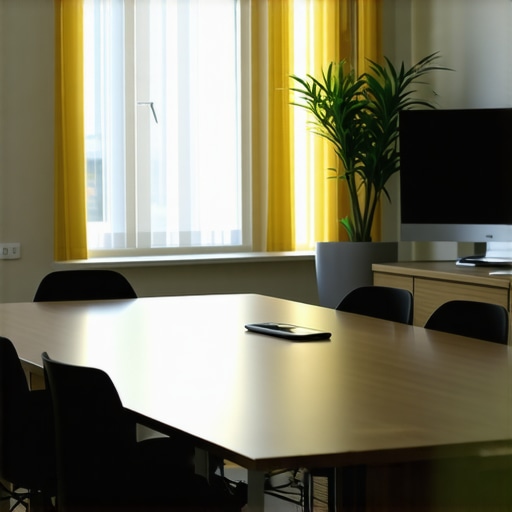 Many entrepreneurs assume that any meeting space will do when planning crucial investor pitches or team collaborations. However, the common misconception is that the environment doesn’t significantly impact the outcome—a belief that can backfire spectacularly. In reality, the choice of conference room quality, design, and setting subtly influences perceptions, decision-making, and even the amount of engagement during meetings.
A prevalent myth is that sleek, high-tech rooms are always better. While state-of-the-art equipment enhances professionalism, the true nuance lies in how well the space aligns with your meeting’s purpose. For example, a room with poor acoustics or distracting lighting can derail even the most prepared presentations. Many startups fall into the trap of booking the most visible or cost-effective room without considering these factors, which later hampers their credibility.
Another mistake is overlooking the psychological impact of space layout. The arrangement of furniture and seating can influence body language and openness. Instead of defaulting to traditional setups like long rectangular tables, consider configurations that promote eye contact and engagement, such as circular or U-shaped arrangements. This subtle shift can enhance team cohesion and persuade investors that your startup values transparency and collaboration.
On a deeper level, some believe that bigger rooms with grand furnishings necessarily impress investors. But research indicates that it’s the environment’s authenticity and comfort that matter more. An overly formal or sterile room can create psychological barriers, making it harder to foster genuine conversations. Conversely, a well-designed, human-centered space fosters connection, which is critical in closing deals.
Advanced startups understand that the future of meeting spaces involves adaptive design—rooms equipped to shift between informal brainstorm zones and formal presentation settings. This flexibility is essential for encouraging spontaneous creativity or strategic discussions, as outlined in studies about innovation in coworking environments. For instance, these innovative meeting rooms are crafted with adaptability in mind, boosting startup creativity and productivity.
What many miss is the profound influence of environmental cues—lighting, acoustics, furniture—on cognitive performance. A confusing or uncomfortable environment can trigger subconscious stress responses, reducing clarity of thought and decision-making quality. It’s why investing in quality conference rooms isn’t just a luxury; it’s a strategic move. Learn how to maximize your conference room’s productivity to ensure every meeting counts.
And here’s a nuance worth noting: the wandering mind effect. If your room’s design subconsciously hints at distraction—clutter, poor lighting, or noise leakage—participants are more prone to lose focus. Smart design curtails this, making meetings more efficient. You can read more about how environment influences attention in workplace psychology studies.
In essence, your conference room is more than just a background—it’s an active participant in your startup’s success. From furniture arrangement to acoustics, every element should be scrutinized for how it influences perceptions and productivity. Don’t fall prey to superficial choices; instead, focus on creating spaces that empower your meetings.
Have you ever fallen into this trap? Let me know in the comments. Remember, choosing the right environment could be the secret sauce that accelerates your startup’s growth.Maintaining high-quality conference rooms and meeting environments is essential for startups aiming for long-term success. From selecting reliable equipment to leveraging smart software, choosing the right tools can make a significant difference. One critical piece of hardware I personally swear by is the Logitech Rally camera system. Its PTZ capabilities, combined with sharp 4K video quality, allow me to conduct virtual meetings that feel as personal as in-person gatherings, even when team members are remote. Pair this with a high-quality microphone array like the Shure MXA910 beamforming microphones, which effectively eliminate background noise and ensure everyone is heard clearly, fostering better collaboration.
For software, I highly recommend **Calendly** integrated with Zoom or Microsoft Teams. This combo automates scheduling, reduces the chaos around booking conflicts, and prompts participants ahead of time with reminders, effectively minimizing last-minute cancellations. Using these tools, I’ve streamlined the preparation process, saving valuable time and reducing frustration.
Another technology I rely on is digital whiteboards such as the Samsung Flip. They facilitate seamless collaboration during meetings, whether brainstorming new ideas or explaining complex concepts. Their compatibility with my existing devices and user-friendly interfaces promote spontaneous creativity and keep discussions engaging.
Looking ahead, I believe the trend toward integrated smart meeting rooms will accelerate. Devices that can adapt lighting, temperature, and even ambient sound based on meeting type or participants’ preferences will soon become standard. Companies like Signify are pioneering IoT-connected lighting solutions that adjust automatically, creating optimal environments and boosting productivity.
**How do I maintain my meeting environment over time?** The key is regular updates and calibration of your hardware; software patches should be applied promptly to patch vulnerabilities and add features. Routine upkeep of audiovisual equipment, scheduled cleaning, and testing ensure reliability. Maintaining an open line with your technology vendors helps address issues before they impact your meetings.
Don’t forget to check out the innovative[meeting rooms of 2025](https://coworkingcentral.com/coworking-spaces-unlock-innovation-top-meeting-rooms-of-2025-at-1123-am) that are setting new standards for productivity and collaboration. I encourage you to try upgrading your conference room with a unified video conferencing system like Logitech Rally, and observe firsthand how it elevates the professionalism and efficiency of your meetings.Reflecting on the journey of startup growth, I realize that our environment often whispers more than we think—sometimes loud enough to drown out our message. The lessons learned about choosing the right conference room or coworking space go beyond aesthetics; they influence perceptions, confidence, and ultimately, success. By intentionally selecting spaces that align with your startup’s professionalism and ambition, you create a compelling narrative for investors and partners alike. Remember, every detail—from lighting to layout—shapes how your message is received. Don’t overlook the subtle cues that can either elevate or undermine your efforts. Invest time in crafting spaces that foster clarity, confidence, and connection, setting the stage for your startup to thrive.