
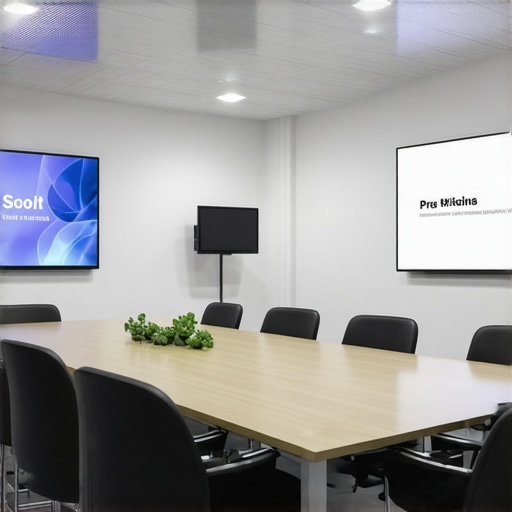
I remember the first time I booked a sleek, professional conference room for a pitch to an investor. I thought, “This is just a room, right?” But as I sat there, early morning light streaming through the glass, I realized something essential—little things like the space where I meet could make or break my startup’s perception. I was about to learn a lesson that many entrepreneurs overlook.
The Hidden Power of Your Conference Room
In my early days, I underestimated how much a professional, well-designed meeting space could influence brand perception. It’s more than just aesthetics; it’s the visual message you send to clients, partners, and investors. I once hosted a crucial demo in an ordinary coworking area, and it felt… lacking. The impression stuck, and I wondered if better spaces might have opened doors faster.
Today, I’ll show you the real impact a well-chosen conference room can have on your startup’s trajectory—and how to harness that power to boost your credibility and success.
Are Conference Rooms Overhyped or Essential for Growth?
Many entrepreneurs dismiss upscale meeting spaces as unnecessary expenses. I was guilty of this mistake early on—thinking a cramped corner in a shared space would suffice. But research shows that the right environment can improve your team’s productivity and client confidence significantly. For example, a survey highlighted that 70% of clients judge a company’s credibility based on their meeting setting (source). I wish I had known that sooner.
If you’ve ever wondered whether investing in a better conference room is worth it, you’re not alone. Let’s dive into why this small upgrade can have outsized benefits, and how you can choose spaces that truly propel your startup forward.
Assess Your Immediate Needs
Before booking, identify the purpose of your meeting. Is it a quick pitch, a brainstorming session, or a formal presentation? For high-stakes pitches requiring focus, opt for a room with good acoustics and minimal distractions. I once booked a small, windowless room for a VC call, thinking it would be professional. Instead, the poor lighting and tight space hampered my confidence and concentration, illustrating why understanding your requirements upfront is crucial.
Prioritize Key Features Over Price
Seek conference spaces that offer essential amenities aligned with your needs. For example, if you’re demonstrating a product, ensure high-quality Wi-Fi and a large screen are available. I visited a space promising ‘state-of-the-art’ equipment, only to find outdated projectors. Negotiating for better tech turned into a minor hassle but highlighted the importance of verifying features beforehand. Use detailed checklists from this guide to avoid surprises.
Leverage Creative Co-working Environments
Discover innovative spaces that boost creativity and collaboration. Think beyond sterile conference rooms—look for areas designed to foster interaction, such as modular seating or open-plan layouts. I once booked a ‘creative’ room equipped with writable walls, which sparked more spontaneous ideas than traditional rooms. Explore these options to find environments that inspire your team.
Evaluate Location and Accessibility
Choose a space that’s conveniently located for your team and clients. Being nearby transportation hubs can save valuable time and reduce stress. I made the mistake of booking a remote office, which caused last-minute delays and frustration. Cross-reference with local business hubs or local advantages to pick optimal spots.
Test the Acoustics and Lighting
Never finalize a booking without testing these vital elements. Poor acoustics can make conversations inaudible, and bad lighting can undermine your confidence. I once hosted a pitch without testing the room’s audio quality, and half my points were lost because of echoes. Use natural light whenever possible, and request a quick walkthrough to confirm these features are up to par, as outlined in this resource.
Emphasize Privacy and Professionalism
Opt for spaces that ensure confidentiality and convey professionalism. Shared spaces with thin walls or noisy surroundings can compromise sensitive discussions. I experienced a breach when my room’s door was left ajar, allowing passersby to overhear confidential figures. Look for rooms with soundproofing and clear signage, and review policies on privacy.
Plan for Flexibility and Contingencies
Have backup options in case your first choice isn’t available. Always call ahead to verify availability, and consider spaces that offer hourly or short-term rentals without long-term commitments. I once found my preferred booking was double-reserved, but luckily, I had a secondary location lined up, saving the day. Use platforms that specialize in flexible coworking spaces, like those featured in these listings.
Many entrepreneurs believe that choosing a conference room is as simple as finding a space with a big table and high-speed Wi-Fi. However, this overlooks the subtle nuances that can significantly impact your startup’s growth. For instance, some assume that a more expensive or upscale space automatically translates to better outcomes, but in reality, the strategic elements of space utilization matter far more. Overlooking factors like acoustics, privacy, and layout design can turn what seems like a good investment into a costly mistake.
Are You Falling Into the Costly Trap of Oversimplification?
It’s common to equate quality with price or to prioritize aesthetics over functionality. The truth is, a conference room’s effectiveness depends on how well it fosters focus, collaboration, and confidentiality. Studies suggest that poorly designed meeting environments can reduce team productivity and hinder confidential discussions (source). Many startups waste resources by selecting spaces based solely on superficial features without considering these deeper needs. To avoid this, evaluate spaces based on acoustic quality, privacy, and layout flexibility instead of just price tags.
Several misconceptions also surround the use of coworking environments. People often think all coworking spaces are created equal, but the differences in community, amenities, and design can dramatically influence your networking opportunities and productivity (source). Selecting a space that aligns with your company’s values and growth stage is crucial.
Misjudging the importance of lightning and natural light is a common pitfall. Poor lighting can dampen mood and focus, which in turn affects the quality of meetings and brainstorming sessions. A well-lit space, preferably with natural light, enhances alertness and engagement, making sessions more productive (source).
Maintaining an effective and professional meeting environment requires deliberate effort and reliable tools. I personally swear by a combination of hardware and software that ensures every session runs smoothly and keeps your team aligned. One indispensable piece of equipment I use is the Logitech Rally Bar, which offers crystal-clear audio and camera tracking—vital for remote or hybrid meetings. Its plug-and-play setup makes it ideal for startups without dedicated IT support. Over the years, I’ve noticed that investing in high-quality, user-friendly equipment reduces setup time and minimizes technical disruptions, freeing up more time for meaningful discussions.
On the software side, I rely heavily on Miro for collaborative brainstorming. Its real-time editing and infinite canvas foster creativity and help teams visualize ideas effortlessly. During long-term use, I’ve found that integrating Miro with Slack via Zapier automation keeps everyone on the same page without the need for constant manual updates. Additionally, platforms like Robin have transformed my approach to space management—allowing me to reserve meeting rooms instantly and see availability at a glance, preventing double bookings and last-minute scramble.
To ensure ongoing performance, I establish routine maintenance checklists. For instance, I schedule quarterly hardware audits—testing audio/video quality, cleaning equipment, and updating firmware as recommended by manufacturers. Consistency here pays off; I’ve observed fewer technical hiccups during critical client presentations. It’s also essential to keep a troubleshooting guide accessible, like the detailed setup instructions from this resource, to empower team members to resolve minor issues independently.
Looking ahead, I predict a surge in AI-driven room management systems that anticipate your scheduling needs and optimize space usage. Companies like ClearSpace are already experimenting with sensors and machine learning to automate room diagnostics and maintenance tasks, reducing downtime. Embracing these tech trends early can give your startup a significant edge.
How do I maintain my conferencing and coworking tools over time?
Regularly updating software, scheduling preventive hardware maintenance, and training team members on proper equipment use are key. Establishing a culture of proactive upkeep minimizes unexpected failures and prolongs device life. I recommend setting recurring calendar reminders to perform firmware updates and conduct system tests before major meetings. Also, creating an internal knowledge base with troubleshooting tips—similar to this guide—empowers your team to address common issues swiftly.
Finally, don’t hesitate to experiment with automation tools like Zapier or IFTTT that can streamline your routines. For example, automating room check-ins or device diagnostics can save time and reduce errors. Try integrating a simple rule—such as a weekly software update reminder—and experience firsthand how small improvements can keep operations flowing seamlessly.
Throughout my entrepreneurial journey, I’ve learned that the nuances of a meeting environment can profoundly influence your startup’s trajectory—more than most realize. Yet, many overlook the less obvious lessons that can turn a simple conference room into a catalyst for growth.
The Hard-Learned Truth About Meeting Spaces That No One Tells You
One of my biggest realizations is that the most effective conference rooms are those you tailor to your unique needs, not just the ones with the fanciest tech or the biggest tables. I once invested in a lavish boardroom, only to find my team felt intimidated and slightly detached. It was a lesson in how space design impacts team dynamics and openness.
Another lightbulb moment was recognizing that privacy is often sacrificed for location or aesthetics. A confidential pitch failed in a noisy, open coworking area because I didn’t prioritize noise control or soundproofing. Now, I see that strategic choices in meeting environment design are critical for confidence and confidentiality.
Lastly, I discovered that the most inspiring spaces aren’t always the most expensive ones. Instead, the best spaces foster creativity through layout and light—elements that artificial decor can’t replicate. My experience taught me to focus on environment over expense, which has helped me stretch every dollar for maximum impact.
Tools and Resources I Use to Keep My Conference Rooms Sharp
To enhance my meeting effectiveness, I rely on tools like the Logitech Rally Bar—its crystal-clear audio ensures remote participants feel present. For collaboration, I swear by Miro, which turns brainstorming into an interactive, visual experience. Robin helps me manage space bookings seamlessly, avoiding conflicts that can derail important sessions. These tools, combined with regular equipment audits, keep my meeting environment aligned with my growth ambitions. For deeper insights, I recommend exploring these resources.
Seize the Moment and Elevate Your Meeting Game Now
The truth is, your conference room can either be a silent partner in your startup’s success or an overlooked hurdle. Small adjustments—like optimizing acoustics, lighting, and privacy—can generate outsized results. The future of meeting spaces is dynamic, incorporating AI and smart tech to adapt in real-time, making your environment more responsive and productive. Don’t wait to innovate; your startup deserves spaces that inspire, protect, and propel it forward.