
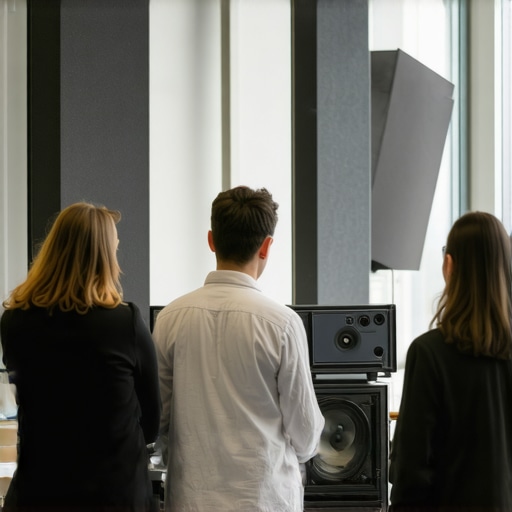
I still remember the sudden realization hit me during a crucial investor pitch—my voice echoed awkwardly off the bare walls of our shared conference space, making me sound uncertain and unprepared. That uncomfortable moment revealed a harsh truth: poor acoustics aren’t just an annoyance; they can sabotage your credibility and derail important opportunities.
As a startup founder, I quickly learned that fixing bad acoustics in my shared conference room wasn’t just about improving sound quality; it was about projecting professionalism, fostering effective communication, and creating an environment where ideas could flourish. If you’ve ever sat through a meeting where everyone struggled to hear or where background noise drowned out key points, you’re not alone. This is a common hurdle for startups that share coworking spaces or operate in open-plan environments.
Why Sound Matters More Than You Think in Your Startup Ecosystem
The first step to transforming your conference room experience is understanding the real impact of acoustics. Bad sound quality doesn’t only cause discomfort; it hampers productivity, leads to miscommunication, and even affects team morale. Researchers have shown that noise pollution in workplaces reduces concentration and decision-making abilities, ultimately hindering your company’s growth potential (source).
Early on, I made the mistake of thinking that simply placing a few rugs and flimsy curtains would improve our sound environment. Unfortunately, superficial fixes often fall short. Recognizing the importance of proper acoustic treatment was a game-changer. The challenge, though, lies in knowing where to start and what solutions are genuinely effective without blowing your budget.
If you’re wondering whether tackling acoustics is worth the effort, consider this: a professional space with balanced sound levels can reduce meeting times by up to 30%, according to industry insider reports. That extra time adds up—more time for product development, networking, and strategic planning. So, are you ready to banish poor audio experiences from your conference room and set your startup up for success? Let’s dive into practical solutions that can make a measurable difference.
Is Acoustic Improvement Just a Buzzword or the Real Deal?
Initially, I was skeptical about whether soundproofing or acoustic panels could really impact our team’s performance. My biggest mistake was underestimating the importance of proper placement and quality materials. Since then, I’ve learned that investing in good acoustic solutions is one of the most cost-effective ways to create a professional environment that fosters collaboration. Curious to see how simple changes can turn your conference room into a hub of clarity and focus? Keep reading, and I’ll guide you through the proven steps to fix your acoustics once and for all.
Identify the Problem Areas
Start by assessing your current space to pinpoint echo-prone zones and sources of noise. Use simple tests like clapping or speaking loudly to hear how sound travels. During my messy first attempt, I noticed that my voice bounced off the glass walls, creating echoes that made even clear points hard to understand. Make this assessment a team activity to spot issues from different angles.
Choose the Right Acoustic Treatments
Invest in absorbing materials like acoustic panels, foam tiles, or fabric-wrapped panels. Think of your conference room like a musical instrument; acoustic treatments are the tuning pegs that improve sound clarity. I applied foam panels to the wall behind the whiteboard and installed hanging diffusers from the ceiling—initially messy, but the result was a noticeable reduction in echo. Prioritize high-quality, strategically placed materials for maximum impact.
Optimize Placement for Sound Control
Position microphones, speakers, and furniture to minimize sound reflection. For example, place the table away from reflective surfaces and use soft furnishings to absorb sound. I rearranged our table, ensuring no sharp corners faced the microphones, which helped in catching clear audio during calls. Think of it as adjusting the strings of a guitar—small shifts can drastically improve sound harmony.
Add Portable and Flexible Solutions
Use mobile acoustic panels or sound shields that can be moved based on meeting needs. This flexibility allows you to adapt quickly to changing room layouts or meeting sizes. During a late-night brainstorming session, I set up a makeshift acoustic barrier using movable panels, which instantly enhanced sound playback and speech clarity.
Implement Regular Testing and Adjustments
Make acoustic evaluation a routine. Use measurement apps or simple tests before important meetings to ensure sound quality stays optimal. Once, after installing treatments, I conducted a quick sound test before a client call, confirming that our adjustments worked. Continuous monitoring ensures your space remains a productive environment.
Maintain Your Acoustic Environment
Keep the space clean and free of clutter that can reflect sound; clean and reinforce treatments regularly. Just as your startup needs nurturing, so does your sound environment. Regularly check for wear and tear, and update treatments as your room evolves. It’s a small effort that sustains long-term clarity and professionalism.
Applying these tangible steps transformed our conference experience, saving time and boosting our team’s confidence. If you’re ready to revisit your space, explore options for maximizing productivity in your conference rooms or creating better collaborative environments. Remember, a well-treated room is an investment that pays off every meeting.
Many entrepreneurs operate under the assumption that flashy tech gadgets or high-end furnishings are the keys to a productive conference room. But in my experience, these superficial elements often distract from the real factors that impact meeting effectiveness. The truth is, most startups overlook nuanced yet critical aspects that can make or break their collaborative efforts. For instance, a prevalent myth is that cheaper, off-the-shelf acoustic panels are sufficient. While they might seem cost-effective, they often lack the strategic placement and quality needed for meaningful sound control, leading to persistent echo issues that derail focus. A better approach involves understanding the complexities of sound reflection within your specific space—an insight I gained after experimenting with different configurations and consulting acoustic specialists. According to research, accurate sound absorption and diffusion are vital for clear communication, especially during high-stakes negotiations or pitch presentations.
What advanced acoustic treatment techniques do most startups overlook?
One often-missed nuance is the importance of targeted diffusion rather than solely relying on absorption materials. Diffusers strategically scatter sound waves, reducing hotspots and dead zones, which leads to a more balanced audio environment. Integrating hybrid solutions that combine absorptive and diffusive elements—like broadband panels paired with specially designed diffusers—can significantly enhance clarity. This sophisticated setup demands an understanding of the room’s unique acoustic profile, which can be mapped using professional tools or even smartphone apps. Embracing such nuances allows startups to create spaces that support better decision-making and foster innovation. Explore how to improve your conference room for optimal productivity and avoid falling into the trap of superficial fixes that fail over time. Remember, a keen focus on acoustic details can offer a competitive advantage in an ecosystem where clarity and bandwidth are everything. Don’t forget—discussions about space optimization are ongoing; open lines of communication with your team and designers can uncover overlooked opportunities. Want to dive deeper? Schedule a consultation through our contact page and start transforming your startup’s collaboration zones today. Have you ever fallen into this trap? Let me know in the comments.
Maintaining an effective conference room environment is an ongoing challenge that requires the right tools and consistent attention. From acoustic treatment to digital management systems, selecting equipment that aligns with your startup’s growth trajectory can save you time, money, and frustration. One tool I personally swear by is the Jabra Speak series, especially the Jabra Speak 750. This portable speakerphone combines crystal-clear audio with seamless Bluetooth and USB connectivity, making it easy to ensure everyone hears and is heard during meetings—whether in the same room or remote team members logging in from afar. It’s been invaluable in my experience, especially for quick conference calls without the fuss of setting up complicated hardware.
Alongside hardware, robust software solutions are equally critical. Zoom remains my go-to for virtual meetings, but I’ve integrated Otter.ai for real-time transcription. This combo not only improves meeting clarity but also provides a written record to revisit decision points — an essential feature for scaling startups where accountability counts. Otter.ai’s AI-powered transcription ensures that even if a team member missed a discussion, they can catch up quickly, reducing miscommunication.
To keep the physical space optimized over time, invest in Acoustical Treatment Kits from brands like ATS Acoustics. I implemented their wall panels and bass traps when I noticed echo issues in our shared coworking environment. Regularly updating and maintaining these panels—cleaning surface dust and checking adhesive bonds—keeps your sound environment consistently professional. Predictive maintenance here means fewer disruptions and better focus for your team.
Another underrated tool is Room Scheduling Software. Platforms like Robin or Condeco help manage room bookings efficiently, prevent double-bookings, and collect usage data. This transparency allows you to identify high-demand spaces and plan your upgrades accordingly. My team uses Robin because it integrates with our existing calendar apps and provides analytics on room utilization, helping us justify future investments in soundproofing or tech upgrades.
Looking ahead, I believe the trend will lean increasingly towards AI-powered spatial management and adaptive acoustics. Technologies like smart microphones that automatically adjust levels based on room occupancy and AI-driven acoustic analysis will become staples. For startups planning their expansion, adopting these forward-looking solutions now can place you ahead of the curve.
How do I keep my conference room tools reliable over time?
Regular maintenance is key. Schedule bi-annual checks for your hardware—clean the microphones, update software firmware, and review acoustic treatments. Invest in training your team to troubleshoot basic issues—more complex problems should be handled by specialists. And don’t forget to gather feedback routinely: ask your team what’s working and what’s not so you can adapt your toolset accordingly. It’s also wise to stay informed about new innovations. For example, I recently read that our industry insight indicates that AI-driven sound monitoring is poised to revolutionize conference room management. Try implementing a smart microphone system this quarter to see firsthand how it can enhance your meetings.
Remember, selecting the right tools is only part of the equation. Consistent evaluation and proactive upgrades ensure your conference environment remains a pillar of your startup’s growth. Curious how to pick the best equipment tailored to your space? Visit this guide to get started and take your meeting rooms from good to extraordinary.
What I Learned the Hard Way About Space and Sound
The most profound lessons about conference room design didn’t come from a book but from painful experiences. I once believed that upgrading chairs or installing high-tech projectors would impress clients and boost our professionalism. Over time, I realized that the silent hero of effective meetings is often overlooked: acoustics. An echoey room or persistent background noise can silently undermine even the best presentations. Embracing acoustic treatments and learning how space affects sound transformed our meetings from muddled to crystal clear. Don’t underestimate the power of proper sound management—it can change your startup’s trajectory more than any flashy gadget.
My Top Picks for Creating a Sonic Sanctuary
After years of trial, error, and consulting with acoustic experts, I rely on a few trusted tools and resources. ATS Acoustics’ treatment kits, for example, offer proven solutions for echo reduction and sound diffusion. I trust them because they seamlessly blend functionality and aesthetics, ensuring our space remains inviting. For measuring sound levels and identifying problem areas, apps like Room EQ Wizard provide insights that help fine-tune our environment. Additionally, books like Sound Reproduction: The Acoustics and Psychoacoustics of Loudspeakers and Rooms changed my perspective on space design. These resources equip you with both practical and theoretical knowledge, making your acoustic improvements more intentional and effective.
Change Your Room, Change Your Results
Making meaningful acoustic upgrades requires more than installing panels; it demands a genuine shift in how you view your workspace. Start by observing how sound travels and where it bounces or gets absorbed. Don’t be afraid to experiment—move panels, rearrange furniture, or introduce soft furnishings. Remember, even small changes can have a big impact on clarity and focus. As you optimize your conference room acoustics, you’ll notice not just improved communication but increased confidence across your team. It’s about creating an environment where ideas are heard clearly, and opportunities are seized with certainty. Are you ready to transform your startup’s meeting space into a hub of clarity and collaboration? Let me know below if you’ve faced similar acoustic challenges or discovered unique solutions.