
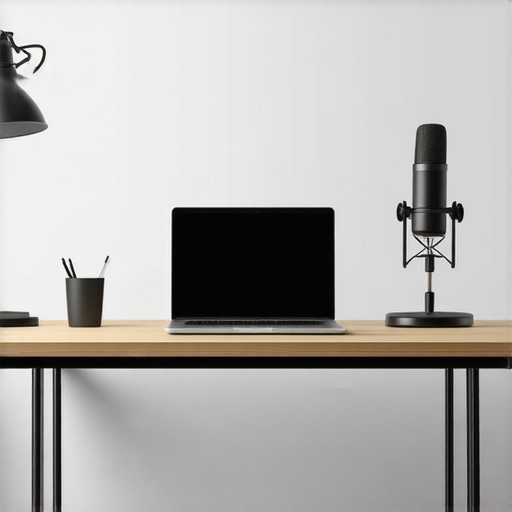
I’ll never forget the moment I realized my makeshift background was sabotaging my chances. Sitting in my cluttered corner, trying to pitch to investors over Zoom, I saw their distracted looks and wondered if my unprofessional setup was costing me more than I thought. That lightbulb moment hit hard: a backdrop isn’t just a background; it’s a statement about your professionalism and attention to detail. If you’ve ever suffered the dreaded “zoom fatigue” or felt that your virtual presence lacks credibility, you’re not alone. Many overlook how a simple change in their environment can dramatically boost confidence and perception.
Why a Professional Backdrop Matters More Than Ever
In today’s hybrid work culture, your virtual environment is often your first—and sometimes only—impression on clients, investors, or colleagues. According to a recent survey, over 70% of professionals believe that their background influences their credibility during video calls (source: Coworking Central), making it crucial to curate a space that communicates confidence and preparedness. A cluttered or casual background might seem harmless, but it whispers unprofessionalism and distracts from your message. Conversely, a clean, well-designed backdrop subtly says, “I’m serious about this,” and helps you command the room—even if it’s virtual.
Is Investing in a Backdrop Actually Worth the Hype?
I once thought lighting and camera quality the most important. Early on, I overlooked that my background could undo all that effort. I made the mistake of using a generic bookshelf, which often showcased clutter and distracting objects. It wasn’t until I invested in a simple, neutral backdrop that my confidence soared. Trust me, the right setting isn’t just about looks but how it makes your audience feel—focused, respectful, and eager to listen. Ready to ditch the chaos and set up a backdrop that impresses? Let’s dive into how you can craft your perfect professional environment without breaking the bank.
Choose Your Setting Wisely
Start by selecting a dedicated space that enhances your credibility. It could be a corner of your office, a well-curated bookshelf, or a wall with neutral tones. Avoid clutter and distractions—think of your backdrop as the conference table in a startup’s innovation hub, where every detail signals professionalism. I once rearranged my home office to include a sleek, plain wall and noticed a marked increase in client engagement during pitches, proving that environment impacts perception.
Invest in Quality Backgrounds
Investing in a simple backdrop is akin to upgrading your conference room to one with top-tier AV tech. A clean, consistent background minimizes distractions and maintains focus on you. For under $50, I purchased a foldable fabric backdrop that was easy to set up and store—making it a cost-effective solution. Remember, the goal is to mirror the professionalism of a top-tier coworking space, which often features dedicated meeting zones designed to foster trust and focus.
Optimize Lighting for Impact
Lighting shapes how your background appears and how confident you seem. Use natural light or soft LED panels to illuminate the backdrop evenly, avoiding harsh shadows or overexposure. I tried to use my window’s glare as a free light source but learned that diffusing the light with sheer curtains produced more professional results. Well-lit scenes resemble the bright, inviting spaces of innovative coworking environments that inspire trust at first glance.
Arrange Your Background Strategically
Arrange objects behind you to reinforce your brand or expertise. For example, a few neatly arranged books related to your field or awards subtly communicate authority—like a startup’s flagship conference room showcase. I once added a framed certificate and a small plant behind my camera, which improved audience perception during virtual interviews. Think of your backdrop as the collaborative hub of a coworking space—designed intentionally to inspire confidence and openness.
Test and Tweak Settings Regularly
Periodic testing ensures your background remains effective and relevant. Record yourself or conduct test calls to identify issues like glare, clutter, or poor positioning. Adjust your camera angle, lighting, or objects as needed. I found that shifting my camera slightly higher eliminated distracting reflections from my desk surface, much like optimizing a startup’s conference room layout for seamless collaboration. Routine checks keep your environment aligned with your evolving brand identity.
Keep It Consistent Across Platforms
Ensure your backdrop is consistent whether you’re on Zoom, Teams, or other platforms. This consistency helps reinforce your professional image across all touchpoints. Simple tools like virtual background settings can help, but a tailored physical setup delivers superior authenticity—akin to how coworking spaces craft environments that reflect their brand values integrity across all events and meetings. Regularly update your backdrop to stay fresh and relevant, signaling that your brand is active and engaged.
Remember, your backdrop is more than just a background; it’s an extension of your personal brand and business identity. By applying these concrete steps, you’ll not only boost your confidence but also transform your virtual engagements into trustworthy, professional exchanges that open doors and foster growth.
Many entrepreneurs assume that choosing a coworking space or a conference room is a straightforward decision centered solely on cost or location. However, this oversimplification ignores nuanced factors that can significantly impact your startup’s success. One common myth is that all coworking environments are equally conducive to productivity and innovation. In reality, spaces vary widely in design, community, and amenities, which can either foster or hinder your team’s performance. For example, a study by Deskmag found that 74% of coworking members believe that community is a crucial factor in choosing their workspace, highlighting the importance of environment quality over mere affordability.
Another misconception is that meeting rooms are just places to hold conversations or presentations. In truth, high-quality meeting environments serve as strategic assets that influence client perceptions and internal collaboration. Transforming meeting rooms into innovation hubs forces startups to think beyond traditional layouts, leveraging advanced technology and flexible furniture to encourage creative discussions. This aligns with recent research indicating that immersive spaces can boost creativity by up to 20% (source: Workspace Trends 2024).
Beware of the trap that virtual backgrounds or superficial decor can mask underlying issues in space quality or acoustics. Many startups make the mistake of sprucing up their video backdrop without addressing soundproofing or lighting, undermining credibility and focus. Advanced startups understand that investing in professional-grade conference room technology and acoustics, such as sound baffling and adjustable lighting, instantly elevates the perceived professionalism and comfort of your environment. These details matter more than most realize. For example, a poorly acoustically treated space can cause miscommunications, reducing meeting effectiveness and damaging brand perception.
How can you optimize your coworking or meeting room strategy for maximum impact? It starts with recognizing the nuanced differences and avoiding the trap of cookie-cutter solutions. Consider environments that incorporate adaptable layouts, cutting-edge tech, and community-building initiatives, as these foster collaboration and innovation—a critical advantage for any startup. Read more on how to harness these elements and avoid common pitfalls in [Coworking Spaces Unlock Innovation](https://coworkingcentral.com/coworking-spaces-unlock-innovation-top-meeting-rooms-of-2025-at-1123-am). Remember, selecting the right environment isn’t just about space; it’s about defining an ecosystem that propels your startup forward. Have you ever fallen into this trap? Let me know in the comments.Maintaining an efficient coworking environment requires a blend of reliable tools, proactive management, and ongoing optimization. Personally, I swear by a few key pieces of technology that have transformed my workflow and kept my shared spaces humming seamlessly. First, investing in a quality wifi management system like Ubiquiti’s UniFi line allows me to monitor and troubleshoot network issues in real-time, ensuring my team remains connected without interruptions. I also use scheduling software such as Calendly integrated with a digital booking platform to manage meeting room reservations, preventing double bookings and confusing overlaps. This approach minimizes friction and maximizes space utilization.
For ongoing maintenance, I schedule weekly check-ins to assess equipment performance—testing microphones, projectors, and lighting. Regular audits help identify issues before they escalate. To streamline this, I leverage a ticketing system like Zendesk for logging repairs or requests, which keeps communication clear and response times short. Additionally, employing a cloud-based communication tool like Slack facilitates quick coordination among team members and users of the coworking space, fostering a sense of community and accountability.
How do I maintain efficiency and quality over time?
I believe that continuous improvement is key. Implementing feedback surveys every quarter helps me gauge user satisfaction and identify bottlenecks. Using the insights, I adjust layouts, upgrade or replace aging equipment, and update policies. Predicting future needs is equally important; for example, with the rise of hybrid work, I see a growing demand for adaptable meeting rooms. Keeping this in mind, I periodically upgrade conferencing tech—like switching to AI-driven cameras that automatically focus on speakers—to stay ahead of the curve. According to Workspace Trends 2024, spaces that embrace flexible, tech-enabled environments see a 20% boost in creative collaboration, which speaks volumes about continuous investment.
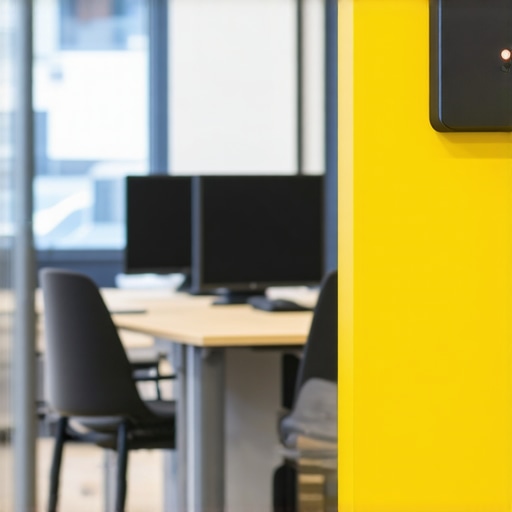
To stay competitive, I recommend trialing advanced solutions like occupancy sensors to optimize space usage and energy efficiency. These sensors can automatically turn off unused lights and HVAC systems, saving costs and reducing environmental impact. Embracing such integrated, forward-looking tools ensures your coworking space remains a vibrant, functional hub for entrepreneurs and remote teams alike. Remember, the key is to test, iterate, and adapt—just like a startup refining its product. Want to make your space smarter today? Start by installing occupancy sensors and see the difference it makes in your day-to-day operations.
Lessons That Changed My Perspective on Virtual Environments
- Less is more: I realized cluttered backgrounds distract and diminish credibility. Simplifying my backdrop, I focused on clean lines and neutral tones, which instantly boosted audience confidence.
- Lighting is everything: Relying solely on natural light led to inconsistent results. Investing in diffused LED panels made my virtual presence more professional and inviting, reinforcing the importance of intentional lighting.
- Objects speak volumes: Displaying industry-relevant books and a framed certificate behind me subtly signaled expertise, turning a simple backdrop into a strategic branding tool. It’s a lesson I wish I embraced sooner.
Crucial Tools and Resources to Transform Your Virtual Presence
- How to choose the right coworking space for your startup: This guide helped me understand the nuances of space selection, emphasizing the importance of environment over mere location.
- Ditch the commute: Making the case for local coworking: It inspired me to set up a dedicated, professional workspace nearby, reducing stress and improving focus.
- Creative coworking: Transforming meeting rooms into collaboration hubs: This resource showcased innovative setups that foster creativity during virtual and hybrid meetings.
Your Turn to Make a Difference in Virtual First Impressions
Remember, your virtual backdrop is more than just aesthetics—it’s a reflection of your startup’s professionalism and attention to detail. Putting effort into creating a strategic, visually appealing environment can open doors you never imagined. Now is the time to optimize and showcase your best self online. What small change will you implement today to elevate your virtual presence? Share below—I’d love to hear your ideas.