
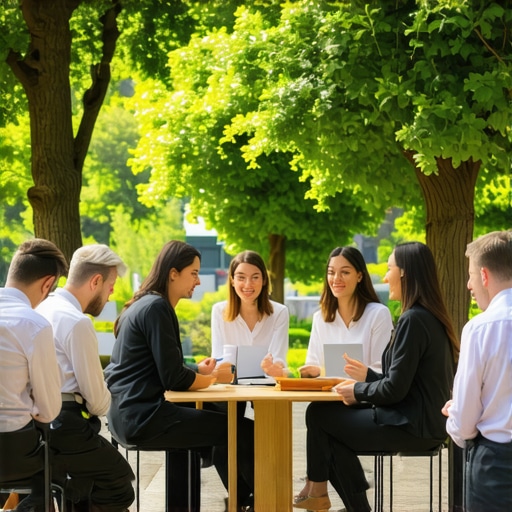
I vividly remember the moment it hit me—during a particularly frustrating team meeting in a cramped, echoey conference room. As my colleagues’ voices bounced off the walls and the stale air made concentration impossible, I realized we were fighting an uphill battle. That day, I had a lightbulb moment: our monthly gatherings weren’t just about discussing projects; they were about how the environment could be holding us back. It became clear that if we wanted to boost engagement and creativity, changing the setting might be the answer.
The Case for Off-Site Meetings
After experimenting with different venues, we found that stepping outside our usual office space transformed our meetings into more productive sessions. Off-site locations, especially those in vibrant coworking environments, foster a sense of novelty and openness that our traditional conference rooms simply couldn’t provide. Not only did this break the monotony, but it also encouraged fresh ideas and genuine collaboration, essential ingredients for any thriving startup.
Have you ever felt that your team’s ideas get stifled by the same four walls? You’re not alone. According to a study from Harvard Business Review, physical environment can significantly influence creativity and engagement levels. Switching venues gave us the perspective and energy we desperately needed.
Is Off-Site Really Worth the Effort?
In the early days, I made the mistake of undervaluing the planning involved. I assumed booking a nearby café or coworking space would be simple and cost-effective. But neglecting to consider factors like tech setup, privacy, and capacity hampered our sessions rather than helped. Those mistakes taught me that choosing the right off-site space is more strategic than it seems and can spell the difference between a productive meeting and one that’s a waste of time.
As we dive into this new approach, I’ll share how to select the perfect location, maximize your meeting’s impact, and avoid common pitfalls. If you’re tired of unproductive meetings and interested in transforming your team’s collaboration, keep reading—you might find the shift off-site makes all the difference.
Pick the Perfect Location
Start by identifying spaces that align with your team’s needs, such as vibrant coworking environments that foster innovation. Recall the time I used this guide to select a space that boosted our brainstorming sessions, leading to tangible product ideas. Prioritize accessibility, privacy, and the availability of essential amenities to ensure smooth sessions.
Assess Tech and Comfort
Ensuring reliable high-speed internet is crucial; a lagging connection can derail your agenda. When I booked a local coffee shop without testing the Wi-Fi, our presentation failed midway. Always verify tech setups beforehand, and consider options like dedicated rooms with advanced meeting rooms designed to support startup workflows. Comfort matters too—ergonomic chairs and ample space prevent fatigue.
Design an Agenda That Sparks Engagement
Structure your meeting around interactive activities rather than passive talks. During a recent off-site, we used breakout sessions, which kept energy high and ideas flowing. Allocate time for brainstorming, feedback, and strategic discussions. Remember, a well-planned agenda in an adapted coworking area can emulate a creative hub, stimulating startup growth.
Set Clear Expectations and Roles
Assign roles like facilitator, note-taker, and timekeeper to maintain focus. In my experience, clarifying goals upfront prevents meanderings. For example, when I hosted a design sprint in a rented conference room, defining objectives kept us on track and resulted in a prototype by day’s end. Communicate the purpose and outcomes expected, so everyone is aligned.
Leverage Unique Features of Off-Site Spaces
Utilize amenities such as whiteboards, breakout zones, or even content creation studios—some coworking spaces offer these features to enhance productivity. During a sprint, I turned a corner into a content studio to record a quick product demo, which was well-received. This approach keeps sessions dynamic and encourages hands-on participation.
Prepare for Distractions
Off-site environments can be lively; plan strategies to minimize interruptions. Use noise-canceling headphones or designate quiet zones. During a critical investor pitch in a coworking lounge, I used headphones to block background chatter, maintaining professionalism. Have a contingency plan for tech failures or unexpected disturbances.
Follow Up with Clear Actions
End each session by assigning tasks and setting deadlines. I once hosted a rapid strategy meeting in a rental conference room, and immediate follow-up emails with assigned responsibilities kept momentum alive. Use collaborative tools accessible from your chosen space to track progress, ensuring the investment in off-site meetings translates into tangible results.
In the startup ecosystem, there’s a common misconception that upgrading to a fancy conference room or the latest coworking space will automatically propel your team toward success. However, many founders overlook the nuanced realities of these environments. Contrary to popular belief, the true value of a meeting space isn’t just about aesthetics or location but hinges on understanding subtle factors like space adaptability, privacy levels, and technological integration. For instance, a beautifully designed room with state-of-the-art tech may seem ideal, yet if it’s hard to reconfigure for different types of meetings or lacks soundproofing, its usefulness diminishes significantly.
One widespread myth is that bigger is always better when choosing a meeting room. In reality, a cramped space that’s optimized for quick stand-ups can foster more dynamic interactions than a sprawling conference hall that feels detached and impersonal. Additionally, many startups underestimate the importance of privacy—public coworking areas might seem convenient but can compromise confidential discussions, leading to potential info leaks or a lack of focus. Prioritizing adaptable, private zones within coworking environments can dramatically improve meeting productivity.
Another hidden nuance involves understanding the technological ecosystem of your chosen space. It’s tempting to assume all spaces come equipped with seamless connectivity, but the reality is more complex. Frequent issues like unstable Wi-Fi or incompatible audio-visual equipment can derail critical pitch sessions or strategic meetings. To avoid this trap, always verify tech setups beforehand and consider spaces that offer support for high-demand digital tools, especially as remote collaboration continues to evolve.
A common mistake is neglecting the cultural fit of the space—think about how the environment influences your team’s energy and openness. A sterile, corporate-style room might suppress creativity for a startup aiming to foster an innovative culture. Instead, selecting spaces that encourage informal interactions or inspire inspiration can make a significant difference. For example, some coworking spaces feature creative zones or breakout areas designed to spark spontaneous ideas—beneficial for startups looking to differentiate themselves.
For an advanced perspective, consider how spatial design impacts signaling within your team and to external stakeholders. According to study from the Harvard Business Review, environments that facilitate informal encounters can enhance knowledge sharing and trust, which are critical for early-stage startups. Recognizing and leveraging these subtleties moves beyond superficial setup and into strategic environment planning.
Have you ever fallen into this trap? Let me know in the comments. In the end, choosing the right meeting environment involves more than just booking a room—it’s about understanding and utilizing the hidden nuances that can unlock your startup’s full potential. For further insights, exploring [how to choose the perfect conference room for your startup](https://coworkingcentral.com/how-to-choose-the-perfect-conference-room-for-business-success) can be a game-changer.Maintaining an efficient and productive meeting environment for your startup or coworking space hinges on the right tools and methods. Personally, I rely heavily on a combination of hardware and software that ensures seamless collaboration and minimizes disruptions. One essential piece of equipment I swear by is a high-quality wireless presentation system like the Barco ClickShare. It allows me to instantly connect my laptop to the conference display without fiddling with cables, saving time and keeping the focus on the meeting rather than tech issues.
On the software front, I recommend Slack for real-time communication inside and outside meetings. Its channels keep everyone in sync, and integrations with tools like Google Calendar or Asana streamline task management. For scheduling, Calendly is my go-to for organizing sessions without the endless email ping-pong—and it reduces booking conflicts in shared spaces.
To document meeting outcomes effectively, I use Miro, a collaborative digital whiteboard. It helps teams visualize ideas in real-time, which is especially effective for brainstorming sessions in innovative coworking spaces.
Consistency in tool use is key. For example, I set up a dedicated Slack channel for each recurring meeting, ensuring all inputs are centralized and accessible for reference. And I always back up notes from sessions on Google Drive, so critical brainstorms aren’t lost due to tech failures.
How do I maintain tools over time?
Regular audits of your hardware and software setups are vital. Schedule quarterly checks of your tech inventory, update software to the latest versions, and ensure all equipment stays compliant with security protocols—especially when handling sensitive startup data. This prevents unexpected breakdowns and security breaches that can derail ongoing projects. Going forward, I predict that AI-powered scheduling and virtual assistants will become standard in managing conference rooms, further reducing administrative overhead. To stay ahead, start experimenting with these tools now and see how they streamline your meeting workflows.
Prompt: Close-up of a modern conference room with wireless presentation tech, digital whiteboard, and collaboration tools, emphasizing high-tech readiness for startups. Alt: Modern meeting room with top-tier tech setup; Title: Essential Tools for a Flawless Meeting Space. Use these strategies and tools to future-proof your meeting environment—try integrating a wireless presentation system like the ClickShare into your setup today and experience the difference.Over the years, I discovered that the true power of a meeting isn’t solely in the agenda or tools used, but often hidden in the environment where it takes place. Switching from bland office conference rooms to vibrant, off-site coworking spaces unveiled a series of subtle yet impactful lessons that forever changed how I approach startup collaboration. These insights go beyond the usual advice, revealing how environment cues shape innovation and team dynamics in ways most founders overlook.
What I Learned About Room Size and Energy
- Small, intimate spaces aren’t just cozy—they foster deeper engagement and spontaneity. I once hosted a quick strategy huddle in a cozy nook of a local coworking hub, and the energy skyrocketed compared to our usual large conference rooms. Trust me, size matters less than how the space influences interaction.
- Overly spacious rooms can dampen enthusiasm. During a panel in a sprawling conference hall, I noticed how the distance between participants created a disconnect. Finding that perfect balance between openness and closeness is key to sparking creative friction.
Privacy Isn’t Just a Luxury—It’s a Catalyst
- Confidential chats happen best when you can speak freely. I realized that open coworking areas are fantastic, but for sensitive discussions, dedicated private zones within these environments lead to revelations, trust, and decisive action. A coworking space with adaptable privacy features can be your best asset.
Tech Compatibility and Real-World Testing
- Reliable connectivity, noise levels, and tech support are often underestimated factors. I learned this firsthand when a promising pitch almost fell apart due to unstable Wi-Fi in a nearby cafe. Conduct site visits and tech checks—don’t assume spaces are plug-and-play.
Surprise Features Fuel Creativity
- Utilize unexpected amenities—content studios, whiteboards, casual zones—to stimulate ideation. At one off-site, a quick recording studio turned into a shared innovation hub, inspiring new product concepts and team bonding. Harness a space’s unique features to your advantage.
Embrace the Unpredictable—And Prepare for It
- Lively spaces mean distractions. Headphones, quiet zones, and flexible schedules transform unpredictable environments from chaos into opportunity. I once managed a critical investor call in a bustling coworking lounge by simply using noise-canceling headphones—simple yet effective.
Follow Through Matters More Than Ever
- Clear action plans and accountability are vital after every off-site session. I incorporate collaborative tools and immediate summaries to keep momentum. A well-structured follow-up converts environment-driven insights into real startup growth.
These lessons taught me that environments are not merely backdrops—they’re active ingredients in startup success. Choosing the right space, understanding its nuances, and leveraging its features can unlock potential you might never reach in traditional meeting rooms. Want to dive deeper into selecting ideal spaces? Check out this guide for practical tips.
My Secret Weapon Arsenal for Startup Meetings
- Wireless Presentation Systems: Devices like content creation studios or wireless sharing tools keep sessions smooth and dynamic.
- Collaboration Platforms: Tools like Slack, Asana, and Miro centralize communication and project tracking, ensuring your off-site efforts translate into tangible results.
- On-the-Go Tech Checks: Always verify tech setups beforehand. Reliable internet and soundproofed zones prevent avoidable setbacks.
- Flexible Space Strategies: Seek locations that adapt to your changing needs—private booths for sensitive talks and open zones for brainstorming.
Your Move Starts Now
Remember, optimizing your meeting environments isn’t just about aesthetics; it’s a strategic tool that can elevate your startup’s creativity, trust, and execution. Embrace the nuances, experiment boldly, and observe how your team transforms. Whether you’re booking your first off-site or refining your current approach, real change comes from thoughtful environment choices—so start today and see the difference it makes.
What has been your most surprising lesson about where your team meets? Share your experiences below!