
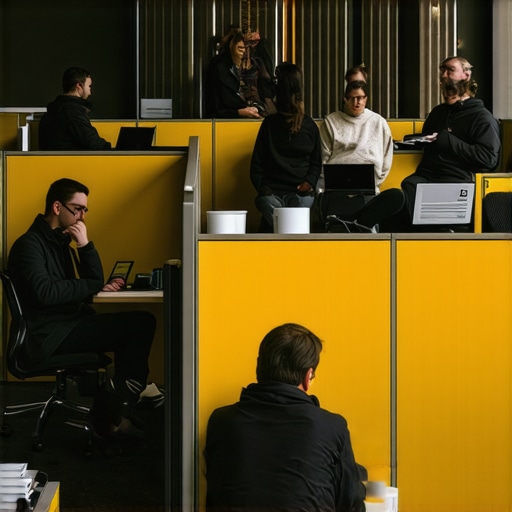
I vividly remember the frustration of booking what was advertised as a free meeting room only to find it occupied, noisy, or ill-equipped once I arrived. That lightbulb moment hit me hard—these ‘free’ spaces often come with hidden costs that can derail your productivity and professionalism. In today’s post, I’ll share how to navigate this confusing landscape and find meeting spaces that truly support your startup’s growth.
Why Relying on Free Public Meeting Rooms Can Backfire
Many entrepreneurs and freelancers lean heavily on free meeting spots—think coffee shops, community centers, or coworking lobbies—assuming they’re a cost-effective solution. But as I learned early on, this assumption can be misleading. These spaces are often crowded, disruptive, or poorly suited for sensitive discussions. Plus, the inconsistency in availability means your plans can fall apart at the last minute. According to a recent survey, nearly 60% of professionals report that spontaneous noise or interruptions hinder their meetings in public spaces, which can compromise client impressions and information security. Understanding the evolving need for dedicated conference environments is more critical than ever.
Is Chasing Free Spaces Really Worth the Hassle?
Early in my journey, I made the mistake of assuming that any free space was good enough. I sacrificed sound quality, privacy, and even basic amenities just to save a few dollars. The result? Wasted time, disrupted meetings, and occasionally, a damaged reputation. That’s when I realized the importance of investing—yes, investing—in spaces designed for productive collaborations. It’s about building trust with clients and having a reliable environment where ideas can flourish. This shift changed everything; I started exploring dedicated coworking spaces and professional meeting rooms that actually match my needs, not just my budget. If you’ve faced similar frustrations, you’re not alone.
Now, the question is: how do you find a space that’s worth your time and money? That’s what I’ll help you uncover next.
Define Your Needs Clearly and Act Fast
Before hunting for a meeting room, list your essentials—capacity, technical needs, privacy, and location. I once booked a space last-minute for an investor pitch; knowing my priorities helped me choose wisely despite limited options. This eliminates wasting time on unsuitable spaces and ensures you’re prepared when opportunity strikes.
Search in Tech-Centric Coworking Spaces
Target coworking spaces that specialize in startups or tech companies. These places often design rooms with startup needs in mind—fast Wi-Fi, breakout areas, and modern equipment. I found a top-rated spot through their curated list of innovative spaces, which matched my priorities perfectly and impressed clients.
Assess Connectivity and Equipment in Advance
Test the internet speed and audiovisual tech before booking. Think of this process like checking the fuel and navigational systems before a road trip—it’s critical. I once showed up for an important call, only to realize the Wi-Fi was unstable. Now, I either verify online or visit beforehand. For quick assessments, consider these vetting strategies.
Factor in Accessibility and Ambiance
Ensure the space is accessible for all team members and clients. If it’s difficult to reach or feels unprofessional, it could undermine your brand. I learned this the hard way when a last-minute booking required a long commute, leading to stress and lateness. Opt for spots near transit hubs or in central districts, and prioritize professional decor for best impressions.
Leverage Technology for Instant Booking
Use platforms that facilitate quick reservations—think of them as your digital taxi service for meeting spaces. Apps like online booking systems allow you to secure rooms swiftly, avoiding last-minute scramble. I recommend reserving a space at least a day in advance when possible, but always have a backup plan for emergencies.
Set Up the Space Efficiently
Arrive early to arrange everything—from charging devices to adjusting lighting. In one instance, I arrived 20 minutes early, set up my laptop and presentation table, and greeted clients in a confident, ready state. This simple step can reduce anxiety and project professionalism, especially during high-stakes meetings.
While many assume that a well-equipped meeting space is simply a matter of availability and cost, the reality is far more nuanced. One common misconception is that any quiet, professional-looking conference room will suffice for high-stakes meetings. However, overlooking subtleties like acoustic quality, lighting, and equipment integration can undermine your credibility and productivity. For example, poor acoustics may cause misunderstandings, and inadequate lighting can make virtual calls look unprofessional, impacting client perceptions. According to a study published in the *Harvard Business Review*, environmental factors like sound insulation and lighting significantly influence both meeting effectiveness and individual focus in collaborative spaces. Therefore, investing in the right environment isn’t just about appearance; it’s about functionality and brand consistency.
Many startups fall into the trap of choosing spaces based solely on rent or location, neglecting the importance of the room’s technological readiness. A high-speed internet connection, reliable AV equipment, and smart room management systems are crucial for seamless presentations and remote participation. Failing to assess these details beforehand can lead to costly last-minute adjustments or technical failures, disrupting your session and damaging your reputation. I recommend proactively verifying these features through platforms dedicated to coworking and shared office spaces or even visiting the venue in advance.
Moreover, a widespread myth is that larger, more expensive spaces automatically foster better collaborations. In practice, the right-sized room, with flexible furniture and a conducive ambiance, often yields better results. Overly formal or intimidating environments can stifle open communication, especially for internal team discussions or creative workshops. Think about your specific needs: Do you require privacy, or a collaborative open layout? Can the space adapt to different group sizes?
From my experience, mastering the nuances involves paying attention to these less obvious factors: soundproofing, lighting, technological infrastructure, and atmosphere. I’ve seen startups enhance their team dynamics simply by selecting spaces that promote comfort and focus—think ergonomic furniture, neutral decor, and ambient noise control. This approach aligns with recommendations from workspace design experts who emphasize that the environment should support the task, not hinder it.
For deep dives into selecting effective conference rooms tailored to your startup’s growth stage, check out [this guide on choosing the perfect conference room](https://coworkingcentral.com/how-to-choose-the-perfect-conference-room-for-business-success). And for insights on transforming your coworking environment into a productivity booster, explore [innovative meeting rooms that elevate startup creativity](https://coworkingcentral.com/innovative-meeting-rooms-that-boost-startup-creativity). Remember, an ideal space is an investment in your startup’s professionalism and growth.
Have you ever fallen into this trap? Let me know in the comments.Maintaining a high-performance conference room over time requires the right tools and consistent upkeep. I personally rely on a combination of advanced AV equipment, scheduling software, and environment management systems to ensure each meeting runs smoothly. For audiovisual needs, equipment like the Logitech Rally Plus provides crystal-clear video and audio, reducing misunderstandings and technical glitches during virtual sessions. I chose it because its modular design makes it easy to scale as my team grows, and it integrates seamlessly with Zoom and Microsoft Teams, streamlining remote and hybrid meetings. When it comes to scheduling, platforms like Calendly integrated with Slack push notifications help me avoid double bookings and last-minute surprises, saving precious time and reducing stress. I also deploy environmental sensors—such as Awair Element—to monitor air quality and lighting, optimizing the space for focus and comfort. These tools are invaluable in ensuring the space remains functional and inviting over months and years, not just weeks.
Predicting future trends, I believe AI-powered room management systems will become standard, proactively adjusting climate control and light settings based on occupancy patterns. This evolution will further reduce operational costs and enhance user comfort.
How do I keep conference rooms working impeccably over the long haul?
Regular maintenance is key. Schedule quarterly audits of all tech equipment, verifying firmware updates and cleaning audio-visual components to prevent dust buildup. Establish a routine check of the internet connection, possibly investing in dedicated bandwidth or failover systems from providers like Verizon, to avoid disruptions that can derail critical client calls. Keep the environment inviting by updating decor periodically and ensuring ergonomic furniture remains in good condition. Using software dashboards from systems like Robin or Teem can help monitor room utilization and diagnose issues proactively, ensuring your space adapts seamlessly to your growing needs. Trends indicate that integration between facilities management and AI analytics will soon allow for predictive maintenance, preventing breakdowns before they happen. To stay ahead, experiment with smart sensors and automation tools—start by integrating environmental sensors into your existing setup, and observe how they enhance your workspace’s efficiency.
By adopting these precise tools and maintenance routines, you’ll maximize your conference room’s usability, ensuring your startup’s professional image and operational efficiency are maintained at the highest level. Remember, investing in these tools now sets the foundation for scalable growth and superior team collaboration. For more insights, explore [the future of conference rooms in startup ecosystems](https://coworkingcentral.com/the-future-of-conference-rooms-in-startup-ecosystems). Ready to elevate your meeting space? I highly recommend trying out smart environmental sensors like Awair—they can make a surprising difference in long-term comfort and efficiency.In my startup journey, I learned that selecting the right conference room or coworking space isn’t just about location or price—it’s about creating an environment where ideas thrive and professionalism shines. A well-chosen space can boost confidence, impress clients, and foster collaboration, while the wrong one can hinder progress and dampen motivation. The key is to go beyond surface-level features and dig into the nuances that truly impact your productivity. Investing time and thought into this decision pays off manifold in the long run, transforming how your startup grows and how your team works together.