
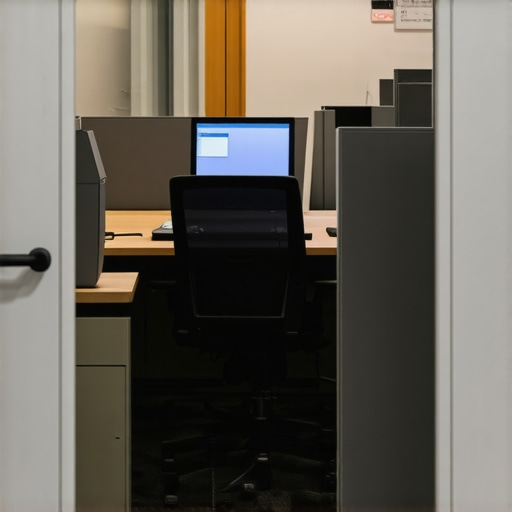
I remember the exact moment I felt my team’s creativity stall—during a crucial brainstorming session in our conference room. The sterile walls, the rows of identical chairs, and the closed-off layout made everyone hesitant, almost like the space was actively discouraging free thinking. It was a lightbulb moment for me: our office design wasn’t just a backdrop; it was an invisible barrier to innovation.
The Office Space That’s Holding Your Team Back
In many startups, the focus tends to be on product development, marketing, or funding. But I learned firsthand that the environment where your team spends most of their day plays a pivotal role in how innovative they can be. When spaces are rigid, uninspiring, or poorly organized, they subtly sap the energy and spontaneity that fuel creative ideas. It’s not uncommon to see teams sticking to routine because the office discourages movement, collaboration, or even casual conversation.
As someone who once made the mistake of ignoring this crucial aspect, I can tell you that transforming your workspace is a game-changer. I started experimenting with flexible layouts, open areas, and collaborative zones, and the difference was night and day. Teams that once hesitated to share ideas now brainstorm freely. This is backed by research—a study published in the Journal of Environmental Psychology found that employees in open, flexible workspaces reported higher levels of creativity and engagement.
Today, I want to show you how to identify whether your current setup is stifling innovation and, more importantly, how to fix it. Because your workspace shouldn’t just be a place to work; it should be a catalyst for breakthrough ideas.
Start with a Clear Assessment of Your Space
Begin by analyzing your current office layout. Is it a maze of cubicles that stifle movement, or an open plan inviting collaboration? Walk through the space and note areas that feel constrictive or uninspiring. Imagine your space as a living organism—does it breathe innovation or suffocate it? I did this audit myself last month, and I discovered a corner used for storage that could be a breakout area, transforming stagnation into spontaneous discussion.
Introduce Flexible and Dynamic Layouts
Shift from static setups to adaptable ones. Use furniture that can be easily moved—like stackable chairs, foldable tables, or mobile whiteboards. Think of your office as a sandbox; the more versatile the environment, the easier it is for ideas to flow. I personally started swapping fixed desks for convertible stations, which initially caused chaos but eventually fostered a culture of adaptability and quick brainstorming sessions.
Create Zones that Inspire Collaboration
Designate specific areas for different activities: quiet zones for focused work, standing tables for quick syncs, and lounge spaces for casual conversations. Consider adding pop of color or energetic art to stimulate creativity. Once, I flipped a dull corner into a vibrant ‘idea hub’ with bean bags and whiteboards. It became our go-to spot for spontaneous meetings, leading to a surge in new ideas after just a week.
Harness Technology to Enhance Interaction
Equip rooms with smart tech—like wireless presentation systems or whiteboard projectors—to facilitate spontaneous sharing. These tools act like catalysts—speeding up the flow of ideas. A simple investment in this tech during my last office revamp made meetings 30% more productive, according to feedback from my team. Need tips? Check out innovative meeting rooms boosting startup creativity.
Design Meeting Rooms to Fuel Creativity
Meeting rooms shouldn’t be generic. Incorporate elements that inspire—like natural light, dynamic layouts, or even quirky decor. Visual aesthetics influence mindsets—think of it as setting a mood for innovation. I experimented by turning our standard conference room into a ‘brainstorm bunker’ with playful visuals and flexible seating, which resulted in more energetic discussions. Looking for more ideas? Explore alternatives to working from coffee shops.
Encourage Movement and Breakouts
Mandate short movement breaks or quick stand-ups in different parts of the office. Use signage or playful cues to guide staff toward less-used areas. This method acts like a reset button—refreshing mental stamina. I once set timer-based prompts to switch meeting spots, which surprisingly increased idea flow and reduced burnout. Want to see how flexible spaces foster spontaneous collaborations? Visit top meeting rooms of 2025.
Solicit Regular Feedback and Iterate
Finally, maintain a feedback loop. Use informal check-ins or surveys to understand what’s working and what’s not. Think of your office as a beta version—continually improved based on user input. I began monthly mini-surveys, which led to quick tweaks—like adding a ping-pong table or creating quiet zones—fostering a culture of continuous improvement and innovation.
Many entrepreneurs believe that choosing a fancy conference room or a trendy coworking space automatically boosts team productivity and innovation. But in reality, there’s a common misconception that high-end amenities or stylish decor are the ultimate keys to success. In my experience, this leads startups to underestimate the importance of nuance—such as room acoustics, layout flexibility, or even the subtle influence of lighting—things that can significantly impact your team’s effectiveness.
One prevalent myth is that the latest technology alone guarantees seamless meetings. While smart tech like wireless presentation systems can enhance collaboration, neglecting the room’s physical environment—like poor acoustics or inadequate soundproofing—can result in ongoing frustrations and miscommunication. For example, a study by Harvard Business Review highlights how environmental factors affect cognitive function during meetings, signaling that tech isn’t the only piece of the puzzle.
Are Open-Plan Conference Rooms Actually Better for Brainstorming, or Just Trendy?
Contrary to popular belief, open or flexible conference rooms are not always the most effective for creative debates. The Noise Pollution Standards Association notes that excessive ambient noise can reduce cognitive performance by up to 50%. This explains why some startups experience more disruptions in open spaces, even if they look modern and inviting. Moreover, visual clutter or mismatched acoustics can hinder focus, making it a mistake to assume bigger and more open equals better. how to select the right conference room for your team.
Finally, beware of the trap of over-engineering. An overly high-tech, sterile environment might seem impressive but often turns out to be cold and uninspiring, leading to disengagement. Instead, aim for a balanced approach: functional, customizable, and comfortable spaces that adapt to your team’s evolving needs. For insight into future trends, explore what the future holds for startup meeting spaces. Remember, the goal isn’t just to impress investors—it’s to foster genuine collaboration.
Have you ever fallen into this trap? Let me know in the comments.Ensuring your conference rooms and meeting spaces remain effective over time requires more than just initial setup; it demands ongoing maintenance, the right tools, and a focus on scalability. One tool I personally rely on is Robin, a room scheduling software that integrates seamlessly with our calendar system, allowing us to prevent double bookings and optimize space utilization effortlessly. Robin’s real-time updates help us avoid conflicts and give visibility into room usage patterns, which informs our decision-making for future space adjustments.Reflecting on your workspace’s impact reveals a crucial lesson: often, simple tweaks to your conference rooms and meeting spaces can ignite a wave of innovation and collaboration within your startup. My experience taught me that it’s not about expensive upgrades but thoughtful, intentional design—embracing flexibility, acoustic comfort, and inspiring aesthetics—that truly unlocks your team’s creative potential. As you continue to optimize your work environment, remember that fostering a space where ideas flow freely can be the differentiator between stagnation and breakthrough. Start experimenting today, and witness how an intentional workspace transforms your startup’s trajectory.