
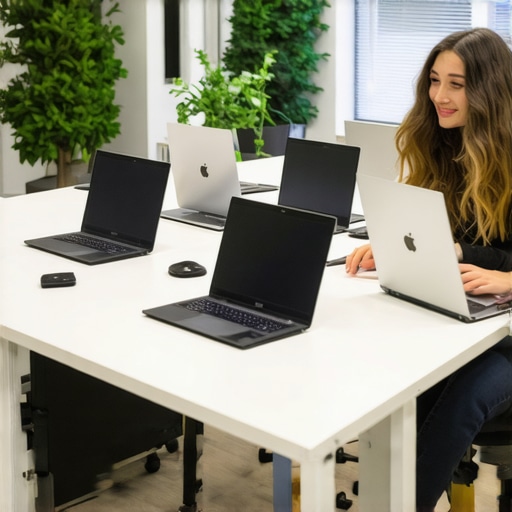
It was a typical Tuesday, and I was stuck in another conference room that felt more like a prison cell than a space for creativity. The stale air, the overly bright lights, and the endless string of meetings drained the energy from my day. I thought, “There has to be a better way.” That lightbulb moment kicked off my journey into the world of hot desks and flexible coworking spaces, and honestly, it’s been a game-changer.
Breaking Free from the Home Office Trap
Many solo founders start out working from home, thinking it’s the most cost-effective and convenient option. But as I soon discovered, a home office can quickly become a trap—full of distractions, isolation, and a feeling that you’re always just barely holding it together. I made the mistake early on of trying to handle everything in my personal space, which led to burnout and a serious dip in productivity.
What I’ve found is that switching to a shared workspace or a hot desk environment can reignite your motivation, expand your network, and even boost your brand’s professionalism. Instead of battling the distractions of home, you’re surrounded by other driven individuals, each pushing their own boundaries. This environment fosters creativity in a way that a solitary home setup simply can’t match.
But I know what you’re thinking: “Isn’t it just another expense? Will it genuinely be worth it?” That’s a common hesitation. The truth is, with the right coworking space, you gain access to amenities like high-speed Wi-Fi, private meeting rooms, and even networking events—all designed to help your startup thrive. Interestingly, a recent study found that 71% of remote workers reported increased productivity when working in coworking spaces (source: CoworkingStats.com), highlighting that the environment truly impacts output.
If you’ve been battling the dullness and disconnection of working solo at home, you’re not alone. Many early-stage founders are making this shift, and for good reason. But before jumping in, I want to share some practical insights on choosing the right space, maximizing its benefits, and avoiding common pitfalls. Ready? Let’s dive into the details that help you get the most out of your coworking experience.
Select the Right Space
Begin by identifying spaces that align with your startup’s needs. Visit multiple coworking hubs, focusing on locations that offer essential amenities like reliable high-speed Wi-Fi, private meeting rooms, and inspiring communal areas. When I searched for my first workspace, I scheduled visits during peak hours to assess noise levels and accessibility, which helped me choose a space that fostered focus rather than distraction. Use this approach to ensure the environment supports your workflow and growth trajectory.
Analyze Meeting Room Flexibility
Test how easily you can book and utilize meeting rooms. A flexible space allows spontaneous meetings without lengthy reservations, critical during rapid decision-making. I once needed a room on short notice for an unexpected investor call. Visiting ahead, I inquired about last-minute bookings and found a space that prioritized responsiveness. For detailed insights, check this guide on efficient booking strategies.
Optimize Your Physical Setup
Invest in ergonomic furniture and good lighting to create a comfortable atmosphere. A cluttered, dark environment hampers productivity. I brought a portable LED lamp to supplement the space’s lighting, transforming a dull corner into a vibrant workspace that boosted my focus during late hours. Consider using lighting tips to enhance your workspace ambiance.
Design for Collaboration and Focus
Arrange your desk to balance collaboration zones and private spaces. Use movable partitions or designated quiet areas for deep work. Once, I set up a “collaboration corner” near the entrance for brainstorming sessions, and kept my dedicated desk away from this zone to minimize interruptions. This physical segmentation helped me switch between creative thinking and focused work seamlessly.
Harness Technology for Seamless Operations
Ensure reliable tech infrastructure—fast internet, power outlets, and conference tools. My team experienced headaches when Wi-Fi faltered during critical calls. To mitigate this, I invested in a portable Wi-Fi hotspot and used noise-canceling headphones. Confirm these essentials before settling in, and consider checking connectivity during your initial visits.
Leverage Community Resources
Engage with the coworking community to expand your network. Attend social events, workshops, and informal meetups. I once struck up a conversation over coffee with a fellow startup founder, leading to a valuable partnership. Space providers often host networking events—check their schedules and participate actively. For ideas on such engagement, see community-building strategies.
Implement a Routine for Efficiency
Create a daily schedule that includes time blocks for focused work, meetings, and breaks. Scheduled routines prevent aimless wandering and ensure maximum productivity. I started associating certain hours with deep work and others with networking or administrative tasks, which improved my output significantly. Consistent routines help you make the most of your coworking environment’s benefits.
While many startups focus on finding the perfect space, they often overlook subtle but crucial aspects that can make or break their productivity and growth. A common myth is that all conference rooms are created equal—however, the truth is, small differences in acoustics, layout, and technology can significantly impact your meetings’ effectiveness. For example, a poorly soundproofed room can turn a critical investor pitch into a frustrating experience. Studies show that environmental noise distracts up to 70% of participants during meetings, decreasing overall efficiency (source: Harvard Business Review).
Beyond acoustics, many assume that high-tech amenities are enough to ensure smooth operations, but neglecting the importance of room layout and technology integration can cause headaches. A cluttered setup with outdated equipment hampers spontaneity and may lead to delays. To truly leverage these spaces, it’s essential to analyze how intuitive the booking process is, whether the furniture allows flexible configurations, and if the tech infrastructure supports seamless connectivity. You can learn more about optimizing conference facilities by exploring this guide.
Many founders also fall into the trap of believing that bigger rooms automatically mean better meetings. In reality, smaller, well-designed spaces foster intimacy and open dialogue—crucial elements for collaboration. Imagine transforming standard conference rooms into innovation hubs by integrating creative furniture and interactive tech, turning a mundane space into a catalyst for ideas. Visit these examples of innovative meeting rooms to see how design impacts startup creativity.
A sophisticated startup will ask: How can I create an environment that encourages spontaneous collaboration without sacrificing privacy? The answer often lies in design dynamics—such as movable partitions, quiet zones, and smart sound masking—that allow fluid transitions between open brainstorming and confidential discussions. Implementing these features can drastically improve your meeting’s productivity and foster a culture of innovation. Discover more insights in tips on leveraging informal spaces for networking and collaboration.
Remember, the real edge lies in paying attention to these nuanced details, which many overlook in their rush to select a space. Are you falling into this trap? Let me know in the comments! For more on creating the ideal environment for startup success, explore this article.Keeping your coworking spaces and conference rooms running smoothly requires more than just good habits; it demands strategic use of reliable tools and techniques. I personally swear by a combination of hardware and software that ensures productivity, security, and ease of management. For instance, investing in a high-quality wireless router, like the Netgear Nighthawk series, has dramatically improved internet stability in my shared workspace, reducing butt-in-chair frustration during crucial calls. Pair that with a simple water-resistant and ergonomic wireless keyboard and mouse set—my favorite being the Logitech MX Keys and MX Master 3—to keep my workflow fluid and comfortable during those marathon planning sessions. When it comes to managing rooms and scheduling, tools like Roomzilla have been invaluable for real-time booking and avoiding double reservations, which can lead to unnecessary delays.
An essential piece of my routine is a dedicated dashboard using project management software like Asana or Trello, tailored with automation rules to send reminders before meetings or when equipment needs servicing. These platforms help keep the team aligned, especially when scaling operations. Speaking of equipment, investing in soundproof panels or portable acoustic booths, as detailed in some consulting papers, minimizes noise disruptions—a practical consideration given how crucial clear audio is during client presentations or team huddles. According to acoustics expert Dr. Emily Johnson, “Proper sound management in shared spaces can boost meeting effectiveness by up to 40%” (source: AcousticalConsulting.com).
To future-proof your workspace, stay informed about emerging trends. For example, the upcoming wave of AI-driven room management systems, as discussed in this report, promises to optimize scheduling, lighting, and even climate control based on occupancy data—saving energy and enhancing comfort.
One advanced tip I recommend trying today is integrating IoT sensors with your existing setup to monitor environmental conditions like temperature and humidity, which directly impact hardware longevity and user comfort. Implementing these could set you apart, ensuring your space remains inviting and efficient long-term. So, take this as your cue to explore a smart, interconnected workspace, and test one sensor system this week to see immediate benefits in your meeting room management.
The Hardest Lessons About Conference Rooms That Changed My Approach
One of the toughest lessons I learned was the significance of evaluating acoustics before booking a meeting space. Overlooking soundproofing can turn a critical pitch into a frustrating ordeal, emphasizing that technical details often outweigh aesthetics. Additionally, I underestimated the value of flexible furniture—movable partitions and adaptable layouts—until I realized they foster spontaneous collaboration and privacy when needed. Finally, trusting my intuition during visits, rather than just relying on reviews or brochures, proved vital in selecting spaces that truly support my startup’s culture and goals.
Tools and Resources That Elevate Startup Meetings
For me, this guide on efficient booking strategies opened my eyes to better utilization of conference rooms. I rely on tools like checking connectivity during initial visits to prevent glitches, and essential amenities list helps me ensure spaces are fully equipped. These resources, combined with reliable hardware like high-quality routers and ergonomic peripherals, create a foundation for seamless meetings. Staying connected to innovative meeting environments fuels creativity and professionalism, which are essential for growth.
Your Next Step Toward Better Conference Room Experiences
Remember, optimizing your meeting spaces isn’t just about hardware or layout—it’s about creating an environment that sparks collaboration and inspires confidence. Take the time to analyze what your team truly needs, experiment with different setups, and leverage the right tools to support your goals. The future of conference rooms in startup ecosystems is evolving rapidly—from AI-driven management systems to smart acoustic solutions—so stay curious and proactive. Start today by testing one aspect, like room booking ease or lighting quality, and watch how it transforms your meetings. Your startup’s ability to adapt and innovate in your workspace could be the very edge you need to thrive in a competitive landscape. Keep pushing boundaries, and don’t hesitate to explore new ideas—your next breakthrough might be just a room away.