
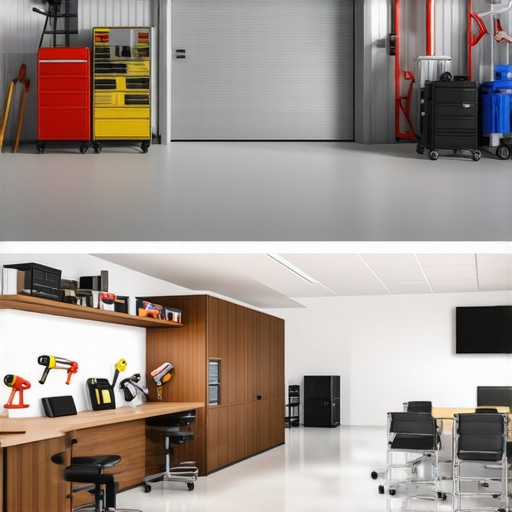
I remember the exact moment I realized my homegrown startup needed a serious upgrade. It was a hectic Monday morning, and I was squeezed into my tiny garage office, trying to impress a potential investor via video call. The background was cluttered, the lighting was off, and the echo was so bad I could hardly hear myself think. That was when it hit me—my makeshift setup was holding me back more than I understood.
The Tipping Point: When a Garage Just Won’t Cut It Anymore
Transitioning from a garage startup to a professional office space isn’t just about renting a new room; it’s about transforming your entire approach to how you work, meet, and grow. If you’re like I was, you’ve probably underestimated how crucial the physical environment is in building credibility and fostering productivity. I used to think a corner in my garage would suffice—until that one meeting where everything went wrong. The truth is, the right space can be a game-changer, opening doors to better networking, smoother collaborations, and ultimately, more success.
Is It Worth the Hype to Move Beyond Your Garage?
You might be skeptical, thinking, “Do I really need a fancy office just to get my work done?” Believe me, I had the same doubt. Early on, I made the mistake of investing in a luxury space before understanding what I truly needed. That led to wasted money and frustration. Learning from those missteps, I discovered that the key lies in finding a space that aligns with your growth plans and startup culture. Curious about how to pick the right environment? I’ll walk you through the essentials in the upcoming sections.
According to a study by JLL, companies that operate in quality office spaces experience a 31% boost in employee satisfaction and a 21% increase in productivity. That’s a compelling reason to seriously consider upgrading from your humble garage. But where do you begin? What pitfalls await? And how can you ensure your new space genuinely propels your startup forward?
Let’s explore the practical steps to make this transition not just smooth but also a strategic move toward long-term growth. Ready to leave behind the cramped garage and step into a space that works for your ambitions? Let’s dive in.
Assess Your Current Needs Precisely
Start by listing what your startup requires to thrive. Do you need dedicated meeting rooms for client presentations? Open spaces for collaborative work? Identify your team size, growth projections, and the kind of environment that fosters productivity. I once spent a week sketching out a floor plan on paper, which helped me see gaps in my current setup. This clarity ensures that your new space aligns with actual needs, not assumptions.
Scout and Select Strategic Locations
Choose a location convenient for your team and clients. Think of your workspace as the stage for your startup; it should reinforce your brand. Visit multiple coworking spaces or shared offices. Pay attention to layout, ambiance, and amenities. I visited three different spots before settling, and the moment I found a vibrant, creative environment, I knew it was right. Use these spaces to visualize transformation possibilities.
Negotiate and Secure a Flexible Contract
Don’t rush into a lease. Negotiate terms that allow scalability. Is your team growing fast? Make sure the contract won’t trap you. I learned this the hard way with a six-month commitment, which limited my flexibility. Seek spaces offering month-to-month options or short-term agreements—these give you wiggle room for expansion or contraction. Also, review policies on privacy and data security, especially in open environments (like this one) to protect your startup’s sensitive information.
Design a Work Environment That Boosts Productivity
Invest in ergonomic furniture, good lighting, and soundproofing. Use the space to create zones: quiet corners for deep work, lively areas for collaboration. For example, I personally restructured my chosen space to include a dedicated quiet nook, which drastically improved my focus. Adding visual elements like whiteboards or inspiring art can also stimulate creativity. Consider sharing your setup ideas with a community of innovators.
Optimize Meeting and Conference Areas
Ensure your meeting rooms are equipped with reliable tech, comfortable seating, and a professional vibe. Think of meeting rooms as your startup’s stage—every detail counts. I transformed a corner of my space into a content studio by installing a good camera and lighting, which helped during pitch rehearsals. Regularly review your space’s functionality by asking, “Does this room make meetings seamless?” This approach minimizes disruption and maximizes impact. Explore how top coworking environments enhance collaboration to inspire your setup.
Establish Protocols for Space Utilization
Create clear guidelines for booking rooms, sharing amenities, and maintaining cleanliness. This ensures your space supports your startup’s culture and keeps operations smooth. I once set up a digital booking calendar, which prevented conflicts and kept my team aligned. Use tools that integrate with your workflow to streamline usage, and encourage feedback to refine processes continually. Remember, a well-managed space is a competitive advantage rather than a cluttered liability.
Leverage the Space for Networking
Maximize your new environment by attending events or hosting small workshops. Your workspace is more than just four walls; it’s a gateway to the startup community. I initiated a monthly demo day, attracting local entrepreneurs—and the exposure helped us forge new partnerships. Actively engaging with your coworking community, like through these programs, can accelerate growth and innovation.
Many entrepreneurs assume that selecting any available meeting space or coworking spot is enough to drive success, but this belief overlooks critical nuances. **First off, the myth that cheap or generic spaces suffice for startup growth is misguided**. While affordability is tempting, skimping on quality—such as poor acoustics or inadequate tech setup—can hinder communication and damage your professional image. For instance, subpar audio in conference rooms not only frustrates participants but also diminishes credibility, which is why investing in spaces with soundproofing and reliable tech is essential, as emphasized in studies on workspace impact. **A common mistake is neglecting the importance of customization and environment design**. Many startups overlook how the ambiance, furniture, and layout influence creativity and productivity. Creating zones within your space for different tasks—deep focus, collaboration, or client meetings—can significantly enhance efficiency. Moreover, assuming that any open or shared coworking environment works universally is false; understanding the specific needs of your team and clients is key to choosing the right setting. **Now, for the advanced question: How can startups leverage conference room design to foster innovation rather than conformity?** The answer lies in adopting flexible, tech-forward spaces that encourage spontaneous collaboration, as explored in articles about transforming meeting rooms into collaboration hubs—see [this](https://coworkingcentral.com/creative-coworking-transforming-meeting-rooms-into-collaboration-hubs-at-0455-pm). Additionally, many underestimate the importance of privacy and security. Open plans may boost transparency but pose risks to sensitive discussions. Therefore, integrating secure, private rooms for confidential talks is crucial. Remember, a well-designed conference environment signals professionalism and care, influencing investor perceptions and customer trust alike. Lastly, don’t overlook platform integration—modern spaces should support seamless connectivity and intuitive booking systems, avoiding the trap of disorganized schedules or tech glitches that can derail meetings. **Have you ever fallen into this trap? Let me know in the comments.** Improving your understanding of these unseen factors ensures your space truly works for your startup’s ambitions—beyond the superficial.Maintaining an efficient and inspiring office environment requires strategic tools and routines. I personally rely on a combination of hardware and software to keep everything running smoothly. First, investing in high-quality conference room tech like the Logitech Rally webcam and microphone ensures crystal-clear video calls, which is critical for remote collaborators and clients. I use Zoom Pro for its stability and integration capabilities, making sure my team can connect without a hitch. To manage space bookings and prevent conflicts, I install digital scheduling tools like Skedda, which streamlines reservations and reduces noise or disruption. For security and privacy, I utilize VPNs and encrypted Wi-Fi to protect sensitive discussions in open spaces. Regular maintenance routines include quarterly hardware audits and keeping firmware updated to prevent disruptions. Predictively, as meeting technology advances, expect AI-powered room management systems that anticipate your needs and adjust settings automatically. To ensure long-term performance, I recommend creating a checklist for monthly hardware and software updates, along with backup plans. How do I maintain these tools over time? I set up a recurring review schedule, stay connected with vendors for updates, and foster a culture of quick feedback among my team to identify issues early. An excellent example of cutting-edge space management is highlighted in this forecast on meeting room innovation for 2025. I challenge you to pick one component—perhaps your conference tech—and commit to its quarterly review. Doing so will significantly improve your startup’s operational flow and create an environment conducive to growth.
Stepping out of the garage and into a well-designed office space is a pivotal moment for any startup. But beyond choosing the right location or furniture, there are deeper insights that can make or break this transition. In my journey, I’ve learned lessons that aren’t often spoken about, yet they hold the power to transform your growth trajectory.
The Hidden Truths That Changed My Approach to Startup Spaces
- Invest in environment, not just aesthetics. I once believed a sleek, modern space alone would boost productivity. It wasn’t until I aligned the environment with my team’s needs—noise levels, privacy, tech integrations—that I saw real gains.
- Flexibility beats permanence every time. Trying to predict your team’s future size is a gamble. Opting for spaces with scalable contracts or adaptable layouts saved me from costly relocations and disruptions.
- Culture is cultivated, not purchased. The space you choose signals your startup’s values and ambitions. A vibrant, collaborative environment fosters innovation—skimp on this, and growth stalls.
- Privacy and security matter more than you think. In the age of data breaches, opting for spaces that prioritize confidentiality—especially for sensitive meetings—is an underrated advantage. Learn more about protecting your data in shared spaces.
- Leverage your space as a networking hub. Hosting workshops or meetups in your chosen environment can exponentially increase your reach and credibility, turning your workspace into a launching pad for partnerships. Check out innovative meeting room ideas to amplify this effect.
Tools and Sources Shaping My Space Strategy
- Skedda—My go-to for seamless space reservation management, ensuring my team is always in sync.
- Zoom Pro—Reliable video conferencing that’s become indispensable for remote collaboration.
- High-end audio-visual gear—Investing in quality tech transformed my meetings into engaging, professional interactions.
- Books like “The Art of Co-working”—They opened my eyes to the subtle dynamics of shared environments and how to optimize them.
Seize the Moment and Shape Your Future
Your workspace isn’t just a place to work; it’s a strategic asset that reflects your ambitions and fuels your growth. Finding the right environment, customizing it to your team’s spirit, and using it as a platform for connection can set your startup apart from the pack. Remember, the move from garage to greatness often hinges on intentional space choices—don’t overlook this vital step.
In the end, it’s about creating a space that works for your vision and empowers your team. Be bold, stay flexible, and let your workspace inspire innovation every day. Ready to rethink your environment and unlock new levels of success? Let me know what challenges you face in upgrading your startup space.