

Ever found yourself in a conference room, all set to wow investors or clients, only to realize—no projector in sight? That sinking feeling when your carefully crafted slides are useless because the tech just isn’t there. I remember my first high-stakes pitch: I had my pitch deck perfectly polished, rehearsed my spiel, and arrived confident. But when I entered the room—no projector. Just a big blank wall and a few puzzled glances from my team. That moment was a lightbulb for me: sometimes, you need to present *without* the usual slideshow crutches. And let me tell you—it’s not as intimidating as you might think. In fact, I learned some valuable tricks that can make any presentation memorable—even in the absence of tech.
Tackling the Challenge of Running a Pitch Without a Projector
Today, I’ll share the strategies and creative approaches I’ve discovered that help you deliver a compelling pitch, projector or not. Whether you’re in a coworking space, a spare meeting room, or even a bustling café, these tips will turn a potential disaster into an engaging opportunity. You might be surprised to hear that according to a recent survey, over 60% of entrepreneurs feel unprepared to adapt when their usual presentation tools aren’t available (source). If you’ve ever been caught off guard by missing equipment, you’re not alone—and I promise, there’s a way to make it work smoothly.
Is Your Fear of Presenting Off-Script Actually Holding You Back?
Early on, I made the mistake of relying exclusively on visual aids, thinking that slides were the heart of my message. When the projector failed, so did my confidence. I learned that a good pitch isn’t about the slides—it’s about connecting authentically and making your ideas stick. So, what’s the key? It’s all about storytelling, visuals, and engagement—tech-free. If this resonates with you, stay tuned. We’re about to dive into actionable ways to elevate your presentation game, no matter what technology is available or not available. Ready to ditch the dependency on slides and pitch with confidence? Let’s go!
Craft a Clear and Concise Narrative
The foundation of any impactful presentation without a projector is your story. Before stepping into the room, outline a compelling narrative that guides your audience through your key points. Think of it like a roadmap that keeps everyone aligned, especially when visuals are unavailable. I remember a time during an investor pitch in a cozy coworking space, where I had only my verbal story, but because I knew my flow, I kept the investors engaged and even fielded spontaneous questions confidently, turning the limitations into an advantage.
Use Physical Props and Handouts Effectively
Bring tangible items that illustrate your main ideas—charts, product samples, or printed summaries. Distribute handouts at strategic points to reinforce your message. For example, I once prepared a foldable brochure highlighting our product features. Handing it to investors mid-pitch provided a visual anchor, making the discussion more memorable than static slides. This approach demands that your props are intentional and seamlessly integrated into your storytelling.
Leverage Visual Aids That Don’t Require Tech
Flip charts, whiteboards, or large posters can be potent tools. Use markers to draw diagrams or highlight key points dynamically as you speak. During a workshop, I used a whiteboard to visually map out workflows, which kept participants engaged because they saw their ideas taking shape in real-time. Keep your visuals simple, bold, and easy to interpret, so they support your words without distracting.
Build Engagement Through Interactive Techniques
Transform the room into a dialogue space. Ask questions, invite input, or incorporate quick activities. This shifts the focus from solo delivery to collaboration, easing nerves and fostering connection. In a startup brainstorm session, I initiated a quick round of ideas, jotting them down visibly. This fostered a sense of shared purpose, making the session lively and productive, even without a projector.
Master Your Voice and Body Language
Your tone, pace, and gestures carry your message just as much as visuals. Practice projecting confidence through your voice—vary pitch and volume to emphasize points. Use deliberate gestures to illustrate concepts or direct attention. I once delivered a pitch standing confidently with hands open, which projected authority and openness, compensating for the lack of visual aids.
Prepare for Technical Failures with a Backup Plan
Anticipate and rehearse scenarios where tech might fail. Have printed summaries or key phrases memorized. Practice your delivery so you can smoothly transition to storytelling or interactive methods if needed. When I once arrived at a meeting to find no projector, I quickly shifted gears, engaging with the audience through stories and diagrams on a whiteboard, turning a potential disaster into a dynamic discussion.
Optimize the Room Environment
Arrange seating for visibility and engagement. Dim lighting if possible to focus attention or create a relaxed atmosphere. Minimize noise and distractions. During a pitch in a shared coworking area, I chose a corner with good acoustics and arranged chairs in a semi-circle, fostering intimacy and attention. Small environmental adjustments can significantly boost your presence and clarity.
Practice Flexibility and Confidence
Finally, trust in your preparation and adapt on the fly. Your confidence will inspire trust, even when visual aids are absent. I remember standing in front of a group with just my words and a few sketches on napkins; my authentic delivery kept the audience invested. Remember, technical tools are helpers, not essentials—your passion and clarity are what truly matter.Many entrepreneurs believe that startups thrive solely because of innovative ideas or perfect timing, but a crucial, often overlooked aspect is the environment where the team works. The notion that any space will do is a dangerous myth; the realities of coworking and conference rooms are nuanced and can significantly impact your productivity and networking potential. For instance, some assume that all shared spaces are equally conducive to creativity, but in reality, poorly designed or noisy environments can stifle innovation, leading to what I call the ‘silent killer’ of startup growth.
Are You Falling Into the Trap of Overestimating Space Flexibility?
One common mistake is thinking that flexibility equals lack of structure, which isn’t the case. Many startups mistakenly pick casual, overly relaxed coworking environments expecting instant productivity, only to realize that lack of boundaries hinders focus. According to a study by Harvard Business School, space design impacts collaboration efficiency by up to 30%, emphasizing that more flexible isn’t necessarily better for every team (source). The trap here is opting for cheap or trendy spaces without considering your actual work style and growth trajectory, which can lead to costly relocations down the line. The real secret is aligning your space choices with your team’s workflow and communication style. Why do some coworking environments spark more innovation than others? It often boils down to intentional layout and community dynamics, so don’t underestimate the impact of space design. 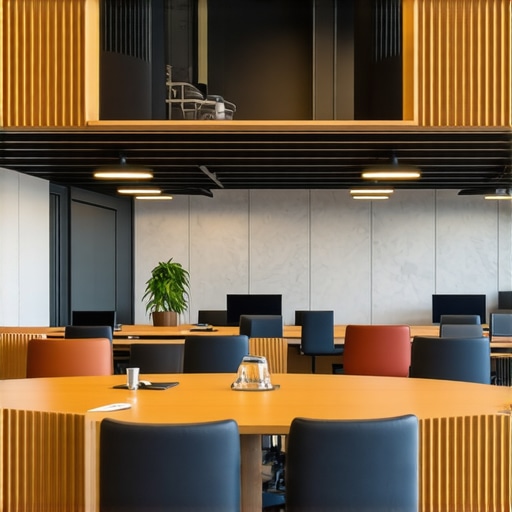
Another overlooked nuance is how many teams underestimate the importance of ambient factors like lighting, acoustics, and privacy in conference rooms. Poor acoustics or dim lighting can diminish focus, leading to fatigue and frustration during crucial meetings. For example, a whitepaper from the International Facility Management Association highlights that 60% of meeting inefficiencies are due to environmental distractions (source). Investing in soundproofing or adjustable lighting systems can transform average spaces into powerhouses of productivity. Additionally, the etiquette of booking shared spaces often gets ignored; failing to reserve rooms properly can cause last-minute chaos and missed opportunities. It’s vital to understand the etiquette involved in coworking settings, as discussed in the article on [the hidden etiquette of booking conference rooms](https://coworkingcentral.com/the-hidden-etiquette-of-booking-conference-rooms-last-minute).
Have you ever fallen into this trap? Let me know in the comments! Remember, your startup’s environment is more than just a backdrop; it’s a strategic asset that can either propel or impede your growth. Choosing spaces that align with your ambitions and fostering an environment of intentionality can make all the difference in turning your vision into reality.Maintaining your coworking and conference environments efficiently is crucial for ongoing productivity and professionalism. Personally, I rely on a combination of hardware and software solutions that streamline room management and ensure smooth operations. For instance, I use dedicated digital booking systems like Robin or Teem, which offer real-time scheduling and prevent double-bookings—saving me hours each month and reducing frustration. These tools also send automatic reminders to users, helping avoid no-shows or last-minute cancellations, which can disrupt plans and waste valuable resources.
Beyond scheduling, investing in reliable audio-visual equipment is a game-changer. I recommend a high-quality wireless presentation system, such as the ClickShare or Barco’s WePresent, which allows multiple users to share content seamlessly—from their laptops or devices—without fiddling with cables or adapters. This not only boosts professionalism but also keeps interactions spontaneous and engaging. According to a recent report on coworking productivity, spaces equipped with intuitive tech significantly enhance user satisfaction and repeat bookings (source).
Regular maintenance of your tech infrastructure can’t be overlooked. Set a weekly schedule to verify connections, update firmware, and clean equipment interfaces. Keep spare adapters, batteries, and cleaning kits accessible in each room. For in-room management, IoT devices like occupancy sensors can help monitor utilization patterns, informing you about peak times and areas needing upgrades.
Looking ahead, integration of AI-driven management systems will likely revolutionize how we oversee these spaces. Imagine smart rooms that automatically adjust lighting, temperature, and even seating arrangements based on user preferences—all managed via a centralized platform.
**How do I maintain my conference rooms over time?** Building routines around regular checks and updates ensures your spaces remain functional and inviting. I strongly suggest trying out a comprehensive room management system like Robin, which centralizes scheduling, hardware control, and analytics. This consolidation minimizes downtime and streamlines operations—making maintenance almost effortless.
Don’t wait for equipment to fail; proactive maintenance is your best tool. Schedule monthly firmware updates for your AV equipment and conduct quarterly audits of your booking and access management systems. Even simple steps like labeling cables and documenting procedures can save significant time during troubleshooting. By pairing smart tools with disciplined routines, you’ll keep your meeting environments pristine and professional, no matter how many sessions occur each week. Ready to upgrade your space maintenance? Start by implementing a digital booking platform, and watch your room utilization and user satisfaction soar.
Every startup founder and coworking enthusiast quickly learns that the environment where you meet can make or break your credibility. Over the years, I’ve stumbled through countless room setups and always uncovered the real lessons in those moments of improvisation. Here are some insights I wish I’d known from the start, so you can skip the trial and error and elevate your meeting experience.
Lessons Found in the Unexpected
- Flexibility Is a Two-Edged Sword: While adaptable spaces are appealing, not all environments support high-stakes meetings equally. I once chose a trendy cafe for a critical client pitch, only to find noisy baristas and background chatter drowning out my message. The lesson? Know your space’s strengths and weaknesses, and don’t compromise on essentials like privacy and acoustics.
- Tech Is a Helpful Partner, Not a Security Blanket: Dependence on technology can cause blind spots. I once relied solely on a digital projector, only to face a dead Wi-Fi connection and a stunned audience. Having a backup plan—like printed materials or a whiteboard—saved the day. Trust in reliable, versatile tools that complement, not replace, your storytelling skills.
- Room Layout Impacts Mindset and Engagement: I’ve found that small changes—like arranging seats in a semi-circle or ensuring good lighting—can significantly boost confidence and openness. Don’t underestimate the power of environmental psychology in conference rooms; optimizing space isn’t just aesthetics, it’s strategic.
Tools That Turn Rooms into Power Zones
- Robin Room Management: Streamlines booking, minimizes overlaps, and provides analytics. I trust it because it keeps my schedule smooth and eliminates surprises that kill momentum.
- Barco WePresent: Seamless wireless sharing is a game-changer. When I need to switch between team members’ devices effortlessly, it’s my go-to for professionalism and efficiency.
- Lighting and Acoustics Enhancers from Lutron: Adjusting ambient environments instantly creates the right mood for negotiations or brainstorms. I personally have experienced how simple dimming or sound masking can transform a space.
Your Next Bold Step in Coworking and Conference Room Success
Remember, the real power lies in your ability to adapt, prepare, and make the most out of your environment. Choosing the right space, understanding its nuances, and equipping it thoughtfully can elevate your startup’s game—not just for impressing investors but for fostering genuine collaboration and innovation. Don’t let room limitations hold you back; instead, turn them into your secret weapon for memorable meetings and stronger relationships. Ready to refine your space strategy and embrace the unexpected? Your ultimate conference room transformation awaits. Discover how to maximize your startup’s conference room potential and start making every meeting count.