
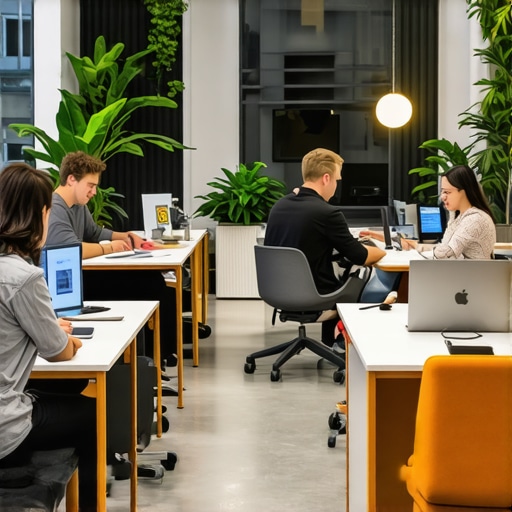
I remember the exact moment I realized I was wasting more time hunting for a decent workspace than actually doing my work. It was a hectic Monday, and after bouncing between noisy hot desks and intimidating private offices, I felt drained, not fueled. That lightbulb moment taught me that the traditional coworking setups weren’t tailored to my needs, and I bet many founders face the same frustration.
Why Struggling With Workspace Choices Is More Common Than You Think
Choosing the right workspace isn’t just about saving money; it’s about creating an environment where your productivity and creativity can thrive. I’ve seen early-stage startups oscillate wildly between overcrowded hot desks that stifle focus and private suites that are too isolated, leading to a loss of collaboration and inspiration. It’s like trying to find the perfect temperature—neither too hot nor too cold—but the options are often all or nothing.
Interestingly, a recent report states that 92% of startups find workspace environment impacts their overall success (source: Coworking Central). That’s staggering! It underscores why nailing this balance is crucial. When I initially committed fully to private suites without considering flexible options, I missed out on spontaneous opportunities and vibrant energy that hot desks offer. My mistake? I assumed a one-size-fits-all approach worked for everyone.
Is Less Flexibility Actually Better Than Tried-and-True Flex?
Early on, I thought sticking to one setup—either full private or sole hot desks—was the key. But that rigidity led to bottlenecks, especially when I needed quiet focus, but teamwork was essential. The real magic happens when you blend private spaces with communal areas, offering tailored environments for different tasks. If you’ve ever felt stuck in a workspace that doesn’t adapt to your day’s demands, you’re not alone. The good news is, with the right strategies, you can craft that perfect environment. And I’ll show you how to do just that—by understanding and navigating the nuances of coworking spaces, you’ll unlock new levels of productivity.
Design a Workspace Mix that Matches Your Daily Needs
Start by evaluating your typical work patterns—do you need solitude for focused tasks or collaborative zones for team brainstorming? During a recent struggle, I tackled this by dividing my workspace into zones: a quiet corner for deep work and an open table for quick chats. To implement this, identify areas within your coworking environment that align with these needs, and arrange your schedule to switch zones accordingly, avoiding the trap of over-reliance on a single setup.
Prioritize Flexibility in Meeting Room Selection
Choosing the right meeting space is crucial for impactful communication. Think of meeting rooms as stages; your goal is to pick one that amplifies your message. When I prepared for a crucial investor pitch, I visited multiple conference rooms, testing acoustics, tech setup, and lighting. Make it a habit to vet these spaces beforehand—checking amenities like high-speed connectivity (see how)—to ensure your presentation is seamless and professional.
Maximize Meeting Spaces with Tech and Comfort
Equip your chosen conference rooms with essential tech—reliable internet, quality audio-visual gear, and privacy. Remember, a room feels more inviting when it’s comfortable. I once used a startup lounge with mismatched furniture, which distracted my team during a strategy session. After upgrading with ergonomic chairs and better lighting (see why), our focus improved, and the discussion flowed effortlessly. Investing in these details transforms a basic space into a productivity booster.
Repurpose Meeting Areas to Spark Creativity
Transform conventional conference rooms into content studios or brainstorming hubs. For example, I converted an underused corner into a mini studio by adding a backdrop and lighting—turning routine meetings into engaging content opportunities. Check out here for tips on leveraging professional spaces. Consider how your environment can serve dual purposes, such as hosting video calls and inspiring innovative thinking.
Develop a Routine for Room Booking and Usage
Establish clear protocols for reserving and utilizing meeting spaces to prevent chaos. I used to scramble for rooms last minute, leading to wasted time and frustration. Now, I follow a simple booking system—either digital or manual—that I review at the start of each day. This routine ensures that the right space is available when needed, reducing last-minute surprises. Also, keep a checklist handy (see the checklist) to prepare for each session, minimizing technical glitches and delays.
Many entrepreneurs and startup founders believe that simply renting a coworking space or a meeting room guarantees productivity and success. However, this oversimplification masks several nuanced pitfalls that can sabotage your efforts. Contrary to popular belief, not all coworking spaces are created equal, and their features often don’t align with your unique needs.
A common myth is that bigger, more equipped meeting rooms automatically lead to better outcomes. In reality, overestimating the importance of space size and tech polish can backfire, leading to impersonal environments that stifle genuine creativity. For instance, a report by Coworking Central highlights that the quality and adaptability of your environment matter more than sheer size.
Another often-missed nuance involves the psychological impact of our surroundings. Many startups underestimate how their choice of space influences team morale and innovation. A cramped or poorly lit room might seem minor but can significantly reduce focus. In fact, studies show that lighting quality impacts productivity more than furniture comfort. Skimping on these details is an advanced mistake often ignored by novices.
How do I choose a conference room that truly enhances my startup’s growth?
This question gets to the heart of understanding that not all meeting spaces are designed for your company’s specific goals. Instead, focus on spaces that offer flexibility, privacy, and the right tech setup. Exploring guidelines for selecting conference rooms can prevent costly missteps. Moreover, transforming standard conference areas into creative hubs, such as content studios or brainstorming corners, can deliver unexpected innovation benefits—check out this article for inspiration.
One trap that many fall into is treating coworking spaces as static assets rather than evolving ecosystems. The future of coworking emphasizes integration, community engagement, and adaptability. Inevitably, startups that view their space as a dynamic tool rather than a fixed asset will find bigger success.
Have you ever fallen into this trap? Let me know in the comments.
Remember, hyper-focusing on the latest tech or luxurious design without considering your team’s workflow and psychological comfort can lead to overlooked pitfalls. Being aware of these nuances is vital for creating an environment that fosters real innovation and growth, rather than just assembly-line productivity. Small adjustments—like choosing a space that can transform between a quiet corner and an open collaboration zone—make a world of difference. Take the time to analyze beyond the surface, and your coworking decisions will start fueling your startup’s success.
 In the fast-paced startup world, keeping your workspace tools and environment optimized over time is crucial for sustained productivity and growth. Regular maintenance isn’t just about cleaning or replacing worn furniture; it involves strategic updates to your technology, optimizing your space deployment, and staying ahead of evolving trends. For instance, scheduling periodic reviews of your conference room tech—such as checking high-speed connectivity (see how)—ensures seamless presentations during critical pitches. Additionally, fostering relationships with your coworking space managers encourages proactive updates and tailored solutions that fit your team’s growth trajectory. Technical audits, such as verifying audio-visual setups and network stability, help prevent disruptions during important meetings. Using tools like Trello or Asana to track maintenance routines, firmware updates, and booking schedules can streamline this process. Looking ahead, the trend points towards smarter spaces integrated with IoT devices: adaptable lighting, climate control, and occupancy sensors that adjust in real-time to user behavior (see how). To keep your workspace future-proof, start by auditing your current setup, then implement a routine review process—this proactive approach will save costs and boost morale. A standout practice is to assign dedicated team members or space managers to oversee space health, ensuring ongoing relevance and efficiency. I highly recommend integrating tech checklists into your weekly routine; for example, regular tests of internet speed and audio quality before major meetings can have a surprising impact, as detailed in this article. Challenge yourself today: pick one element of your meeting environment—maybe your conference room tech or the workspace layout—and schedule an immediate review. Staying vigilant about maintenance isn’t just maintenance; it’s a strategic move that keeps your startup thriving amidst competition.
When I first dived into the world of coworking, I believed that choosing a single, perfect type of workspace would set my startup on the path to success. Turns out, the most valuable lesson I learned was that flexibility is the secret ingredient. Rigid setups often stifle growth and creativity. Instead, embracing a variety of workspace environments—quiet nooks, collaborative areas, and private meeting rooms—allowed me to adapt to different challenges. The moment I started tailoring my workspace to my daily needs, I saw a remarkable boost in productivity and morale. My advice? Don’t settle for one-size-fits-all; think of your workspace as a dynamic tool that evolves with you.
Lessons Only Found in the Trenches of Coworking
- More isn’t always better: I used to chase larger conference rooms, believing size signified importance. But I learned that well-designed, adaptable spaces foster faster decision-making and better focus. The key is quality and flexibility, not just square footage. Check out the latest insights on innovative meeting rooms.
- The psychology of environment: A comfortable, well-lit space can change your entire outlook. I underestimated how lighting impacts mood until I upgraded a dull, windowless room and saw my team’s energy soar. Small details like this have a disproportionate impact on performance. Learn more about lighting’s role in productivity.
- Flexible booking saves time: Scrambling for meeting rooms waste valuable hours. I introduced a routine for reserving spaces, which reduced last-minute stress. Using tools and checklists, I turned chaos into efficiency. Discover practical checklists for smooth meetings.
Your Playbook for a Workspace That Works for You
Start by evaluating your daily tasks and identifying which spaces unlock your best work. Combine private zones for deep focus with open, vibrant areas for collaboration. Next, invest time into selecting adaptable meeting rooms—test acoustics, tech, and comfort well in advance. Remember, transforming a standard conference room into a creative or content production hub can spark unforeseen innovations. Establish routines for booking and maintaining your spaces, and don’t hesitate to personalize them. A cozy, functional environment can do wonders for your team’s motivation and creativity. For more tips, explore how to pick the ideal conference room.
Think Beyond the Space, Focus on the Experience
Creating a flexible workspace isn’t about flashy features; it’s about fostering an environment where your startup can thrive. Regularly review and update your spaces, seek feedback, and stay open to innovation. That proactive approach aligns with the trend toward more integrated, community-driven coworking ecosystems (see the future of coworking). Remember, your workspace should evolve as your startup grows—embracing change is your best strategy for sustained success.
Turning Insight Into Action Starts Today
Now that you’ve gained a deeper understanding of how to optimize your coworking environment, it’s time to take concrete steps. Review your current setup, identify one area for improvement, and implement a small change. Whether it’s upgrading your lighting, refining your meeting room routine, or reconfiguring your workspace zones, each step brings you closer to a workspace that accelerates your startup’s journey. How will you start transforming your workspace today? Drop your plans below—I’d love to hear your thoughts!