
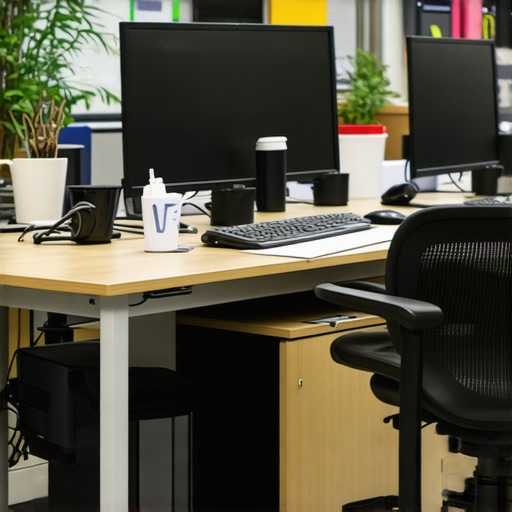
I remember the moment it hit me. We had just finished a crucial pitch meeting in a cramped conference room, and despite having a promising presentation, I felt drained—my back aching, my focus slipping, and an unshakable sense that something was off. It wasn’t the room size or the slides. It was the way we were sitting—hunched over, struggling to stay alert. That lightbulb moment made me realize: our workspace setup was silently draining our startup’s momentum.
The Hidden Cost of Poor Office Ergonomics in Startups
Many founders overlook the significance of ergonomic design, assuming it’s just about comfort. But the truth is, bad ergonomics can dramatically slow down your team’s productivity, creativity, and overall velocity. When your team is physically uncomfortable or distracted by awkward setups, their ability to focus, brainstorm, and execute diminishes. It’s a silent drain that adds up day after day.
What’s even more surprising is how early missteps in workspace setup can become ingrained habits, making them hard to correct later—and these habits can impact your startup’s growth trajectory. Early mistakes like neglecting proper desk height, overlooking the importance of good lighting, or ignoring the benefits of adjustable chairs aren’t just minor oversights. They’re the small cracks in your foundation that can lead to long-term issues.
According to a study by the World Health Organization, poor ergonomics is linked to a significant rise in musculoskeletal disorders, which cost businesses billions in lost productivity annually. For startups trying to stay lean and accelerate growth, neglecting ergonomic health isn’t just a matter of comfort; it’s a strategic risk.
Have you ever experienced a midday slump so intense that it felt like your energy just vanished? Or wondered why your team seems less sharp in afternoon meetings? Chances are, your workspace might be a part of the problem. Recognizing this early can save you from costly pitfalls down the road.
In this post, I’ll share practical insights and proven strategies to optimize your office setup—making sure that physical discomfort, one of the biggest silent productivity killers, doesn’t hold your startup back. Ready to discover how small adjustments can have a huge impact? Let’s dive into the ways you can create a workspace that boosts your startup’s velocity rather than drains it.
Set Up Your Desk for Success
Start by choosing ergonomic desks and chairs that support proper posture. I once replaced a generic chair at my startup with an adjustable ergonomic model, which immediately reduced my back pain and boosted my focus during long coding sessions.
Ensure your monitor is at eye level to avoid neck strain. Use a monitor stand or stack some books if needed. Replace your cluttered desk with organizers to keep essential tools within arm’s reach, minimizing distractions.
Optimize Lighting for Focus and Energy
Switch to natural lighting whenever possible. I moved my workspace next to a window, which made afternoons more energizing and reduced eye fatigue. Supplement with soft, warm artificial lights if sunlight isn’t available.
Avoid harsh fluorescent lighting—install dimmable LEDs or desk lamps. This simple change created a calmer environment that helped my team maintain concentration during intense brainstorming sessions.
Designate Quiet Zones for Deep Work
Create specific areas where team members can focus without interruptions. I designated a corner of our coworking space as a quiet zone, equipped with noise-canceling headphones and soundproof panels. The result? Improved focus hours and fewer mid-day distractions.
If your office lacks separate rooms, consider adding portable partitions or using headphones as visual cues that someone is deep in work. This practice fosters respect and minimizes disruptions across your team.
Upgrade Conference Rooms for Impact
A well-planned meeting space can elevate your startup’s professionalism. I invested in a high-quality video conferencing system for our main conference room, which facilitated seamless remote collaboration and made pitches more convincing.
Choose rooms with soundproofing, adjustable lighting, and flexible layouts. Use whiteboards or digital screens to facilitate brainstorming. Improved conference room setups have led to more productive meetings and better investor impressions, as highlighted in our guide on vetting meeting rooms for critical investor presentations.
Incorporate Flexibility to Boost Creativity
Offer a variety of workspace options—standing desks, lounge areas, and quiet booths. I rotated my team through different spots within our coworking space to keep ideas flowing and prevent burnout. This flexibility fostered spontaneous discussions and innovative problem-solving.
Encourage team members to personalize their areas to increase comfort. An adaptable environment attracts talent and keeps morale high—all vital for rapid startup growth.
Leverage Technology to Enhance Workflows
Implement tools that streamline communication and task management. I adopted a centralized project management app, reducing email clutter and ensuring everyone stays aligned. High-speed Wi-Fi and reliable hardware prevent frustrations that kill productivity.
Regularly audit your tech setup, replacing outdated equipment and optimizing connectivity. A smooth technological environment is a backbone for a high-velocity startup.
For further tips on optimizing your workspace, check out how to maximize productivity in conference rooms and creative coworking space transformations.Many startup founders believe that simply renting a beautiful conference room or joining a trendy coworking space will automatically spark innovation and productivity. But in my experience, this belief can be misleading. The truth is, most people overlook subtle nuances that differentiate a merely functional space from one that actively fuels creativity and collaboration. One common myth is that high-end amenities and sleek decor are sufficient to inspire a thriving team. However, according to research published in the Harvard Business Review, environment design must support neurodiversity and diverse working styles to truly boost output. Relying solely on aesthetics can be a costly mistake, leading to spaces that look impressive but lack essential elements like acoustic privacy or adaptive work zones.
A frequent trap many overlook involves the strategic placement and configuration of meeting rooms. The assumption that a large, modern conference room will impress clients or boost internal morale is only half the story. What matters more is the room’s integration into daily workflows, its technology readiness, and the ability to adapt it for different purposes. For example, many startups fail to invest in high-speed connectivity or flexible layouts, which can significantly hinder high-stakes presentations or remote collaborations. I’ve seen teams lose hours due to poor acoustics or unreliable tech, which could have been easily avoided with proper planning.
Are Bigger Meeting Rooms Always Better for Productivity?
This is a question I often get from seasoned entrepreneurs looking to create impactful collaboration spaces. The answer is complex. While spacious rooms can accommodate larger teams, they often come with drawbacks like increased cost, poorer acoustics, and a sense of disconnection among participants. Smaller rooms, when properly designed, may foster intimacy and more spontaneous interactions, leading to more innovative ideas. Also, the importance of having multiple smaller rooms for different team needs cannot be overstated. For instance, a dedicated quiet zone for deep work or high-stakes calls can be a game-changer. According to a study by Steelcase, flexible and purpose-built spaces increase employee satisfaction and productivity by up to 15%.
Beware of the ‘more is better’ mindset—it’s a common mistake that can lead to wasted resources. Instead, focus on understanding your team’s specific work patterns and select spaces that support these behaviors. Curious about how to optimize your coworking environment or conference setup for maximum impact? Explore our guide on maximizing productivity in conference rooms or reach out through our contact page to discuss your needs.
Another nuance often missed is the role of acoustic design. Many assume that adding more furniture or carpeting can solve noise issues, but in reality, poor acoustics can silently undermine focus and communication. Incorporating sound-absorbing panels, strategic speaker placement, and white noise systems can dramatically improve the environment. This attention to detail is where expert consultation can save you from costly mistakes, as noted in the hidden costs of bad acoustics.
Lastly, fostering a culture that values space utilization and feedback is vital. Spaces should evolve with your team, not just meet initial design trends. Regular audits and evolving configurations can keep your workspace aligned with your startup’s growth. So, when planning your next coworking or conference space upgrade, remember: it’s not just about looks; it’s about creating an environment that empowers your team to perform at their best. Have you ever fallen into this trap? Let me know in the comments.In the fast-paced world of startups, maintaining your equipment, software, and routines is crucial for sustained growth and productivity. I personally rely on a few proven tools that have stood the test of time, ensuring I stay efficient and focused. For instance, I use Todoist for task management because its simple yet powerful interface helps me prioritize daily goals without feeling overwhelmed. Additionally, I swear by Dropbox Paper for collaborative document editing; it’s seamless and keeps everyone on the same page. Regularly auditing and updating your tech stack prevents obsolescence and downtimes, which can be disastrous during critical meetings or product launches. Predicting the future, I believe integrated AI-driven management tools will become essential, automating routine tasks and data analysis to free up your team for creative work.
The Hardest Lesson I Learned About Startup, Meeting Rooms, Coworking, Conference Rooms
Early on, I believed that upgrading our office aesthetics would naturally boost productivity. However, I soon realized that neglecting ergonomic details and space optimization was silently hindering our growth. The true lesson was that a well-designed workspace is an active partner in your startup’s journey, not just a backdrop.
How Small Changes Can Lead to Major Growth
Implementing simple ergonomic adjustments—like adjustable desks and proper lighting—transformed our team’s energy levels. These tweaks, though minor in cost, yielded exponential benefits in focus and collaboration. It’s a reminder that in startups, even tiny improvements can snowball into game-changing results.
Creating Spaces That Inspire Innovation
Designing breakout zones and flexible meeting rooms encouraged spontaneous idea-sharing. The impact was immediate: team members felt more empowered to experiment, leading to groundbreaking solutions. Remember, environments that adapt to your team’s needs are fertile ground for innovation.
Lessons Beyond the Office: Tech and Culture
Equipping our workspace with reliable tech and fostering a culture that values comfort proved essential. The tech setup minimized frustrations, while cultural emphasis on ergonomic practices cultivated ownership and care. Combining these elements nurtures a resilient and high-performing startup culture.
Curated Tools That Shaped My Approach
For anyone serious about workspace optimization, I recommend exploring creative coworking concepts which highlight innovative space transformation techniques. I also trust best practices for maximizing conference room efficiency, which helped us elevate how we present and collaborate. These resources provided actionable insights that directly improved our environment and outcomes.
Embrace the Power of Your Space Today
Your workspace isn’t just a place to work; it’s a catalyst for your startup’s energy and evolution. Small deliberate adjustments today can set the stage for extraordinary growth tomorrow. It’s time to reimagine your environment as a strategic asset—don’t wait to unlock its full potential.
What’s one ergonomic or layout change you’ve considered but haven’t implemented yet? Let me know below, and let’s start the conversation on transforming your startup space for success.