
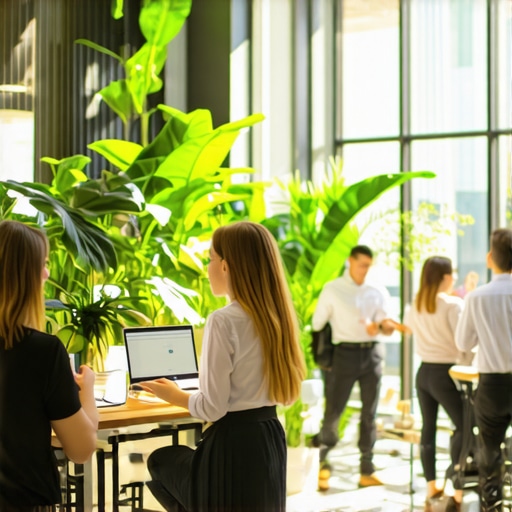
It was a typical morning in our bustling coworking space when I noticed something strange—everyone seemed a bit more energized, more focused. The reason? The sunlight streaming through the large windows, illuminating our meeting room like a natural spotlight. That lightbulb moment made me realize how overlooked the power of natural light truly is in shaping not just the environment but also our startup’s bottom line.
The Hidden Impact of Sunlight on Startup Performance
After that day, I started digging into how natural light influences productivity, creativity, and even our company’s financial results. Turns out, poor lighting isn’t just a minor inconvenience; it can significantly hinder your team’s performance and, ultimately, your growth trajectory. Studies show that workers exposed to natural light report 51% higher well-being, and companies embracing better lighting see up to a 15% boost in productivity.
But here’s the kicker—early on, I made a mistake that many founders do: I ignored the quality and availability of natural light when choosing our workspace. I thought artificial lighting was enough—until I noticed my team’s energy dip after long, gray winter days. That oversight cost us in morale and output, and I realized I was missing out on a simple yet powerful tool for success.
If you’re like me, you might be wondering if optimizing natural light is really worth the effort or just another trendy office upgrade. Well, the good news is it’s a game-changer backed by science and real-world results. And I promise, implementing these insights doesn’t mean ripping out your office walls—it’s about making smarter choices to harness sunlight for your advantage.
Is Your Startup Missing Out on Sunlight’s Full Potential?
I used to believe lighting was a minor detail, but the reality is, neglecting it can be a costly mistake. Early mishaps, like ignoring window placement or relying on inadequate artificial lighting, hurt productivity and morale. You don’t have to repeat my mistakes—let’s explore how to make natural light work for your startup’s growth and success.
Prioritize Window Placement and Room Orientation
Start by analyzing your current workspace and identify rooms with the best access to sunlight. During my own office overhaul, I shifted our meeting room closer to a south-facing window, which provided consistent daylight. Use architectural tools or simple light meters to evaluate natural light exposure throughout the day.
Use Light-Reflecting Surfaces Effectively
In my busy coworking space, I added white paint and reflective panels opposite windows to bounce sunlight deeper into the room. This inexpensive tweak significantly increased ambient light, boosting morale and alertness. Install mirrors or glossy finishes to maximize light diffusion without costly renovations.
Implement Smart Window Coverings
Invest in adjustable blinds or sheer curtains to control glare and heat. I learned this the hard way when too much direct sun caused discomfort; installing automated blinds allowed my team to optimize light levels seamlessly, maintaining comfort and focus. Automated window treatments can adapt to the sun’s trajectory, which is especially useful in dynamic work environments.
Design for Flexible Workspace Layouts
A flexible layout enables the natural light to reach every corner. During my last office, I avoided bulky furniture that blocked windows, opting instead for low-profile desks and mobile partitions. Arrange seating to keep workstations near windows and ensure everyone benefits from daylight, improving overall productivity.
Schedule Critical Activities During Peak Sunlight Hours
Align team meetings and creative sessions when sunlight is strongest. In my experience, planning brainstorming in the morning near windows energized the team and fostered more innovative ideas. Use shared calendars to coordinate activities according to sunlight availability, which can be visualized with simple light-tracking apps.
Address Potential Challenges Proactively
Natural light can introduce glare or heat issues. I faced glare during late afternoon meetings, but installing UV-filtering films and adjusting blinds solved the problem. Regularly monitor light quality and comfort to avoid setbacks, and encourage team feedback to refine your lighting strategy.
collaborate with experts
If your space has poor natural light due to building orientation or obstruction, consider consulting architects or lighting specialists. They can recommend structural modifications or artificial lighting enhancements that complement natural sources. For example, installing skylights or light tubes can bring daylight into interior spaces lacking windows.
Leverage Technology for Dynamic Control
Smart lighting systems can synchronize artificial lights with natural daylight, maintaining consistent illumination. During my trial with these systems, we experienced reduced energy costs and improved ambiance. Integrate sensors and timers to adjust lighting automatically, ensuring your team reaps the full benefits of sunlight without manual effort.
Many startups fall into the trap of viewing conference rooms as mere functional spaces, often neglecting the subtle yet critical factors that influence team performance and innovation. While it’s common to focus on high-tech gadgets or sleek aesthetics, the real game-changer lies beneath the surface—understanding nuanced design elements and behavioral dynamics.
Are Traditional Conference Rooms Hindering Innovation?
Contrary to popular belief, bigger and more elaborate meeting rooms don’t guarantee better collaboration. In fact, overly spacious or poorly acousted rooms can lead to passive participation and disengagement. Experts suggest that smaller, well-designed spaces foster intimacy and openness, encouraging honest dialogue. According to a study published in the Harvard Business Review, spatial design profoundly impacts group dynamics, often more than technology or agenda. Real-world startups that optimize room acoustics, lighting, and layout consistently report higher creativity levels and quicker decision-making processes.
Common Myth: Technology Can Fix Bad Design
Many believe installing state-of-the-art presentation tech can compensate for poor room layout — a costly mistake. High-quality video conferencing tools won’t matter if the space suffers from echoes, glare, or awkward seating arrangements. Instead, focus on acoustics and natural light—these elemental factors dramatically influence engagement. For instance, adding sound-absorbing panels or using movable partitions can make a significant difference. If your startup is serious about fostering innovation, consider consulting workspace design experts who understand how to tailor spaces for neurodiversity and diverse working styles. Explore how top coworking spaces are transforming meeting rooms into *collaboration hubs* by learning from pioneers in the industry [here](https://coworkingcentral.com/creative-coworking-transforming-meeting-rooms-into-collaboration-hubs-at-0455-pm).
What about the Hidden Signals? Why Room Vibe Matters
Beyond physical features, the intangible ‘vibe’ of a conference room influences team morale and creativity. Does the space make your team feel comfortable, energised, or anxious? The positioning of furniture, choice of colours, and even artwork convey subtle messages that shape behavior. Be wary of sterile, impersonal environments, especially in early-stage startups. Creating a welcoming ambiance encourages openness and risk-taking. Regularly auditing your space’s atmosphere is crucial; consider ways to introduce elements that reflect your startup’s culture. Want more insight on designing vibrant, inspiring workspaces? Check this resource on enhancing office vibe [here](https://coworkingcentral.com/why-the-vibe-of-your-office-affects-hiring). The key takeaway? Never underestimate the power of environment—small tweaks can unlock big ideas. Have you ever fallen into this trap? Let me know in the comments.Ensuring your coworking space remains functional and inspiring requires more than just good intentions; it demands the right set of tools and maintenance routines. Personally, I rely on a combination of sophisticated software and practical practices to keep operations smooth and users satisfied. One core software I swear by is **ManagingCloud**—it’s a comprehensive platform that handles booking, billing, and member management seamlessly, enabling me to monitor daily activities in real time. I also leverage **Slack** for instant communication; integrating dedicated channels for maintenance issues allows my team to respond swiftly to problems like broken furniture or Wi-Fi glitches—minimizing downtime. For physical space upkeep, I personally schedule weekly check-ins using **Trello**, creating detailed task cards for cleaning schedules, equipment repairs, and safety inspections. This habit ensures nothing falls through the cracks, keeping the environment clean and safe for everyone. An often-overlooked tool is **Environmental Sensors**—I use net-connected sensors that monitor humidity, temperature, and air quality, which help prevent issues like mold or stale air, especially in meeting rooms. Predicting where this tech trend is heading, I believe automated maintenance systems will soon become standard, using AI to preemptively flag or even fix issues before users notice them. When considering long-term stability, invest in **cybersecurity solutions** like **Bitdefender** for protecting your member data and operational infrastructure from cyber threats. How do I maintain these tools over time? I set up quarterly audits—reviewing software licenses, updating firmware, and recalibrating sensors—to ensure everything functions optimally. Regularly updating your tech stack minimizes bugs and vulnerabilities, enhancing overall reliability. To make this process even easier, I recommend integrating all your tools with a **centralized dashboard** like **Databox**—it consolidates metrics and alerts in one place, so you’re not chasing multiple apps daily. Trying out a unified monitoring system like this can significantly reduce operational headaches and free up your time for strategic growth. For more detailed strategies and advanced management tips, check out [this resource on transforming meeting rooms into collaboration hubs](https://coworkingcentral.com/creative-coworking-transforming-meeting-rooms-into-collaboration-hubs-at-0455-pm). Looking ahead, adaptive management tools will likely incorporate AI-driven analytics, helping startups not only maintain but also optimize their workspaces proactively. Start by evaluating your current tools and schedule your first quarterly audit—making small, consistent improvements ensures your coworking environment remains vibrant and productive over the long haul. Interested in scaling efficiently? Consider integrating smart sensors and central dashboards—they offer immediate insights and peace of mind. Don’t wait until minor issues turn major—take action today!
As I reflect on my journey optimizing coworking spaces, one undeniable truth stands out: the environment we craft around our teams profoundly influences their ability to innovate, collaborate, and grow. Often, we focus on tech upgrades and networking strategies, but overlooking the subtle power of design elements like natural light and room layout can be the difference between stagnation and exponential growth.
Lessons That Changed My Approach to Startup Spaces
- Embrace the imperfections: I used to chase the perfect lighting setup, but I learned that even small adjustments—like reflective surfaces or strategic furniture placement—can make a measurable difference in energy levels and creativity.
- Avoid cookie-cutter solutions: Each startup has unique needs. Customizing your space to leverage sunlight or acoustic comfort isn’t just a luxury; it’s a strategic move that fosters a sense of ownership and motivation among team members.
- Prioritize environment over technology: Great ideas often flourish in well-lit, acoustically balanced spaces. Invest in design elements that support focus and connection, rather than solely on gadgets or software.
- Continuous environment audits: Regularly assessing and tweaking your space—by monitoring air quality or rearranging layouts—keeps the environment aligned with your startup’s evolving culture and goals.
My Go-To Resources for Transforming Startup Spaces
- Creative coworking insights have been invaluable for understanding how innovative design fuels ideas. Their practical tips helped me rethink our meeting rooms.
- Office acoustics auditing showed me that sound quality impacts focus more than I expected. Simple fixes like panels and layout adjustments made a huge difference.
- Shared desks and serendipity reminded me that designing for unplanned interactions can spark breakthroughs. Inclusivity in space design breeds innovation.
- Real-world city insights broadened my perspective on how cultural nuances influence space preferences, enabling me to tailor environments that truly resonate with diverse teams.
Create Your Own Path Toward Inspiring Workspaces
Transforming your startup environment isn’t about grand overhauls—it’s about small, intentional changes that unlock your team’s full potential. Start experimenting with natural light, acoustic comfort, and flexible layouts today. Remember, these tweaks can turn an average meeting room into a hub of creativity and growth. Dive deeper into effective workspace strategies by exploring innovative meeting room ideas that have helped countless startups reimagine their environments because at the end of the day, your space should empower your vision, not hinder it.