
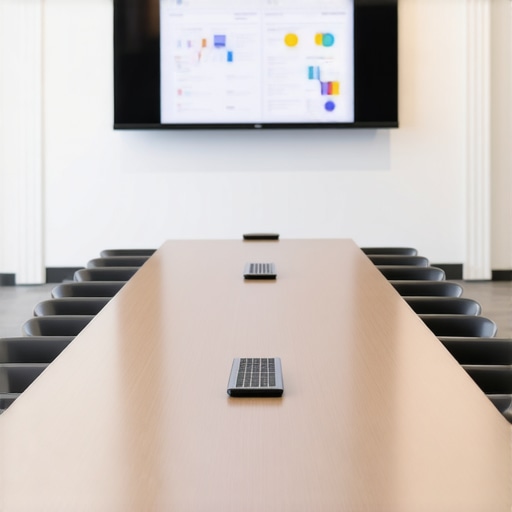
I remember the exact moment I realized my meeting room was holding us back. It was a Thursday afternoon, our team was trying to brainstorm, but the space felt more like a prison than a place of creativity. The bland walls, the squeaky chairs, the generic conference table—none of it sparked anything. We were stuck. That lightbulb moment made me question: is it enough to just have a room where we gather, or should our space itself be a catalyst for innovation? Today, I want to share my journey of transforming ordinary meeting rooms into vibrant collaboration hubs that truly inspire. Believe me, the difference is staggering. If you’re still relying solely on a basic table and four walls, you’re missing out on a golden opportunity to boost productivity and morale. In this post, I’ll show you why your meeting environment matters more than you think—and how to start redesigning your spaces to foster creativity and engagement.
Why Meeting Rooms Are More Than Just a Place to Sit
Over the years, I’ve learned that a well-designed meeting space isn’t just about seating arrangements; it’s about creating an environment where ideas flow freely and teams collaborate effectively. The truth is, a dull or poorly equipped room can kill enthusiasm before a single word is spoken. Conversely, a thoughtfully designed space can energize your team, encourage spontaneous interactions, and even attract top talent. According to a study published by Harvard Business Review, companies that invest in innovative office environments see a 15% boost in overall productivity—proof that environment influences performance. So, if your current setup feels uninspiring or is hindering progress, it might be time to rethink what a meeting space can be. Have you experienced these frustrations firsthand, where a boring room stifles conversation? You’re not alone, and the good news is—change is possible. Now, let’s explore how you can turn your meeting rooms into powerful assets for your startup or team.
Is the Hype Around Creative Spaces Just Another Buzzword?
Early in my journey, I made the mistake of thinking that simply adding some plants or a new color scheme would do the trick. It turned out, superficial changes didn’t deliver lasting results. It’s easy to fall into the trap of thinking aesthetics alone will boost creativity, but real transformation requires intentional design focused on functionality and comfort. Ready to discover practical steps to elevate your meeting environment? Keep reading, and I’ll guide you through building spaces that truly make a difference.
Assess Your Space’s Potential and Limitations
Start by evaluating your current meeting environment. Walk into your conference room as if you’re a first-time visitor, note lighting, acoustics, furniture, and decor. For example, I once measured the natural light levels to discover my room was perpetually dim, sapping energy. Document these observations so you understand where to prioritize improvements. Remember, a space’s potential is often hidden behind overlooked details.
Redefine Functionality with Purposeful Design
Think of your meeting room as a stage for collaboration. Incorporate flexible furniture like movable whiteboards and modular seating, allowing the space to adapt to different needs. I experimented with swapping fixed chairs for stackable stools, which increased spontaneity during brainstorms. Also, set up dedicated zones for discussions, presentations, and informal chats, ensuring diverse activities have suitable environments. Creating zones is like setting different scenes in a play—each tailored for specific dialogues.
Leverage Technology to Enhance Engagement
Equip your room with user-friendly tech: wireless presentation systems, video conferencing tools, and sound-masking devices. During a failed client pitch, I realized poor audio quality and outdated tech killed momentum. Investing in quality microphones and reliable Wi-Fi made a tangible difference. Regularly test and update tech to keep the environment seamless. Remember, technology should serve as a catalyst, not a barrier, to ideas flowing freely.
Incorporate Inspiring Visuals and Comfort
Decorate walls with vibrant art or inspiring quotes related to your startup’s mission. Use ergonomic furniture to prevent fatigue—think adjustable chairs and desks. I added a large mural capturing our vision, which sparked more innovative discussions. Comfort and inspiration are like fuel—without them, even the best ideas sputter and stall.
Create Etiquette and Culture Around the Space
Establish guidelines that encourage responsible use—cleaning after meetings, unplugging devices, respecting others’ time. When I first introduced a ‘no laptop’ rule during certain sessions, engagement skyrocketed. Cultivating a culture that values the space leads to more meaningful interactions. It’s like maintaing a garden: plants flourish when cared for intentionally.
Test, Tweak, and Scale Your Improvements
Monitor how your redesign impacts team dynamics and productivity. After initial changes, gather feedback through quick surveys or informal chats. I found that adding better lighting reduced midday slumps. Use this data to iterate—perhaps now installing adjustable lighting or adding breakout areas. Continuous improvement turns a good space into an extraordinary innovation hub.
Many underestimate the complexities of designing effective meeting spaces, believing that aesthetics alone suffice. However, the true challenge lies in understanding the subtle dynamics that influence collaboration and innovation. Contrarily to popular belief, adding flashy furniture or trendy decor without aligning them with your team’s specific needs can backfire, leading to discomfort, distractions, or even invisibility of the space’s purpose. For instance, a startup I mentored once invested heavily in open-plan furniture, assuming it would foster spontaneous interaction. Instead, it resulted in increased noise and reduced privacy, hampering focus. Recognizing these nuances early prevents costly redesigns.
One common myth is that larger rooms inherently support better collaboration. Actually, space efficiency and purpose-built zones matter more than sheer square footage. Advanced setups include acoustic treatments and flexible furniture arrangements enabling various activity types—from focused brainstorming to relaxed casual discussions—without moving to a different location. An often-overlooked detail is the impact of natural light and ventilation on energy and mood levels. A Harvard Business Review study highlights that well-lit, fresh-air environments can boost productivity by up to 15%.
Another nuanced aspect is the psychological effect of space layout. For example, overly hierarchical setups with dedicated chairman’s chairs might unintentionally inhibit open communication. Conversely, equitable seating arrangements foster inclusivity and shared ownership of ideas. When designing or renovating coworking or meeting rooms, it’s vital to consider not just function but also how spaces make users feel.
So what’s the trap to avoid? Overlooking the importance of customizing spaces to your team’s culture and workflow. Rigid, one-size-fits-all solutions often dampen innovation. Regularly evaluating how each zone performs and being open to incremental adaptations ensures the environment evolves with your startup’s needs. For comprehensive insights on maximizing your conference rooms, check out [how to maximize productivity in your startup’s conference rooms](https://coworkingcentral.com/how-to-maximize-productivity-in-your-startups-conference-rooms-by-0245-pm).
Now, for the advanced-minded, here’s a question worth pondering: How can spatial psychology and behavioral science inform your room design to subtly influence team interactions and decision-making processes? Recognizing these principles can turn your meeting environment into a strategic asset. Interested in deeper insights? Explore more at [creative coworking transforming meeting rooms into collaboration hubs](https://coworkingcentral.com/creative-coworking-transforming-meeting-rooms-into-collaboration-hubs-at-0455-pm).
Have you ever fallen into this trap? Let me know in the comments and share your experiences or questions on unlocking the full potential of your conference spaces.Maintaining an effective conference or meeting room over time requires more than just initial design—you need reliable tools and consistent practices. My personal go-to hardware starts with high-quality wireless presentation systems like the ClickShare by Barco. I’ve personally tested multiple solutions, and nothing beats the ease of connecting my laptop seamlessly without tangled cords or lag. For software, I’ve turned to Miro for real-time collaboration, especially during remote or hybrid meetings; it allows my team to visualize ideas instantly, which keeps discussions on track and engaging. Integrating these tools into our routine has drastically decreased meeting times and improved output quality.
Regular check-ins to evaluate equipment performance are crucial. I schedule bi-weekly tech audits, ensuring our projectors, microphones, and conferencing software are up-to-date. This proactive approach helps avoid disruptions during critical sessions. Additionally, adopting a simple, standardized maintenance checklist—covering cleaning lenses, updating firmware, and testing backup power supplies—has been invaluable. A study by Harvard Business Review emphasizes that simple, consistent maintenance routines extend equipment lifespan and reduce downtime, which directly boosts productivity.
Looking ahead, I predict that AI-powered scheduling and environment optimization tools will become mainstream. Imagine systems that adjust lighting, temperature, and even seating arrangements automatically based on who’s in the room, leading to a truly personalized experience that boosts collaboration.
How do I keep this investment sustainable? Regular training and clear protocols are key. I host quarterly workshops for my team, walking them through troubleshooting common issues and best practices. These sessions foster ownership and ensure everyone knows how to keep our tools in prime condition.
If you’re serious about long-term effectiveness, I recommend implementing a combination of reliable hardware, intuitive software, and disciplined routines. Try setting up a weekly technology check for your meeting spaces—you’ll be surprised how much smoother your sessions become. For expert insights on this topic, check out [how we cut our office overhead by 40% with flexible space](https://coworkingcentral.com/how-we-cut-our-office-overhead-by-40-with-flexible-space). To discuss tailored solutions for your startup, don’t hesitate to [reach out](https://coworkingcentral.com/contact-us-2). Keeping your meeting environment operational today ensures your team stays innovative tomorrow.
Lessons Only the Wise Ten Years Have Taught Me About Conference Rooms
One overlooked truth is that the smallest tweaks—like adjusting lighting or rearranging furniture—can spark monumental shifts in team energy. A lesson I learned painfully was that investing in tech gadgets alone won’t transform your collaboration; the environment must breathe and adapt to your team’s evolving needs.
I’ve discovered that too often, founders obsess over aesthetics without considering psychological impact. Creating a space where people feel empowered and comfortable often outweighs fancy decor. Remember, a room designed for inclusion nurtures innovation.
Finally, I realized that continuous experimentation beats static setups—what works today might be a hindrance tomorrow. Staying curious and adaptable with your meeting environment fuels sustained growth and creativity.
Gear Up With the Best Tools for Your Meeting Rooms
My top recommendation for seamless presentations is the ClickShare wireless presentation system; it eliminates cords and delays, making meetings flow smoothly. For visual collaboration, Miro offers real-time, intuitive content sharing that keeps everyone engaged. Explore tools like this guide on maximizing conference room productivity to refine your setup.
Don’t forget to schedule regular tech audits and involve your team in feedback sessions—these small habits prevent disruptions and foster shared ownership of your innovation space.
Your Next Step Starts Now
Remember, transforming your meeting environment isn’t about grand overhauls—it’s about intentional, continuous improvements that inspire your team every day. The right space can become your startup’s secret weapon for creativity and growth. So, are you ready to give your conference room the attention it deserves and unlock its full potential?
Let me know—what’s the one thing you plan to change in your meeting space right now? Share your thoughts below, and let’s grow together!
,