

It was a typical Tuesday when I realized I’d been staring at my home workspace for what felt like hours, feeling more disconnected than ever. The pile of laundry and dishes whispering from the corner, and that uninviting chair I’d bought for a quick fix, suddenly felt like the biggest obstacles to my productivity. That lightbulb moment? I understood that the future of the office isn’t some distant utopia—it’s knocking on my doorstep, quite literally.
Making Home the New Office Hub
The pandemic taught many of us a crucial lesson: the traditional office isn’t the only place for innovation or collaboration. In fact, a report by Global Workplace Analytics suggests that remote work could save millions in overhead costs while boosting employee satisfaction. Yet, many entrepreneurs and startup founders still hesitate, wondering if their makeshift home setup can truly foster success. Well, I’m here to tell you—I’ve been there, made those mistakes early on, and now I’m convinced that turning your home into a productivity powerhouse is not only possible but essential.
Is Your Home Office Worth the Hype?
Honestly, my biggest early mistake was overestimating how much my regular living space could mimic a dedicated workplace. I’d try to cram meetings into my sofa, ignore sound distractions, and ignore ergonomic comfort—results? Fatigue, lost focus, and a mounting sense that my home was just not cutting it. Sound familiar? I get it. Many founders fear that home-based setups lack professionalism or the right ambiance for serious work. But the key isn’t about copying a corporate office; it’s about creating a flexible environment tailored to your needs.
What I’ve learned from my own journey is that the first step towards a productive home office is understanding the specific challenges you face—be it noise, space constraints, or equipment. And trust me, making those mistakes early—like neglecting a proper desk setup—can undermine your entire startup effort. For more insights on optimizing space, check out [how to turn a meeting room into a war room](https://coworkingcentral.com/how-to-turn-a-meeting-room-into-a-war-room).
Ready to transform your living space into your next startup asset? Let’s explore how to do this without the common pitfalls, so your home can truly work for you, not against you.
Pick Your Workspace Zone Carefully
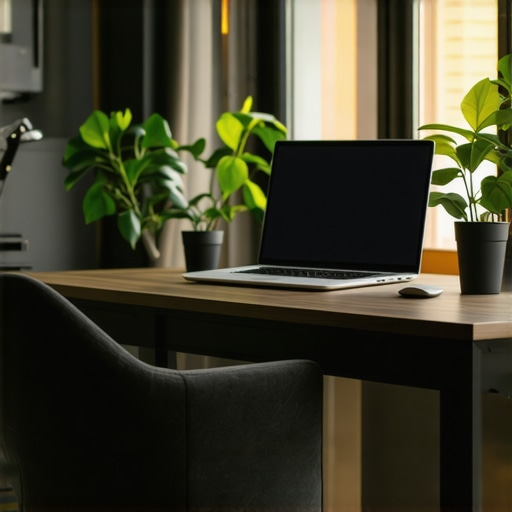
Choose a dedicated area in your home that mimics a real office. Clear out clutter, designate specific furniture, and separate work from leisure spaces. While my initial setup was just a corner in the living room, I found that moving my desk to a spare room significantly improved focus and professionalism, especially during client calls.
Invest in Proper Equipment
Think of your workspace as a mini conference room—every detail counts. Get an ergonomic chair, a sturdy desk, and reliable tech like high-speed internet and quality microphones. When I upgraded to an adjustable standing desk and a noise-canceling mic, my productivity soared because I was physically comfortable and audibly clear during meetings.
Create a Visual Hierarchy with Decor
Design your background intelligently to convey professionalism without rigidity. Use shelving, artwork, or branding elements to craft an environment that looks intentional. I added a simple bookshelf with startup-related books and a branded sign, which made my video calls feel more authentic and engaging.
Set Boundaries with Your Living Space
Establish clear working hours and communicate them to family or housemates. Use visual cues like a “Do Not Disturb” sign or a specific lighting setup. During a crucial investor presentation, I used a dedicated backdrop and informed my family to minimize interruptions, ensuring a seamless call.
Optimize Lighting and Sound
Natural light improves mood and alertness, so position your desk near a window if possible. Supplement with adjustable lamps to eliminate shadows. For sound, consider soft furnishings or rugs to dampen echo, and avoid noisy appliances during work hours. I installed soundproof panels in my makeshift office corner, which drastically reduced background noise during hectic days.
Leverage Technology to Replicate Meeting Rooms
Use digital tools and professional virtual backgrounds to mimic conference room environments. Schedule regular check-ins and use shared digital whiteboards to foster collaboration. When I hosted a virtual team brainstorm, utilizing a dedicated online whiteboard and scheduling regular stand-ups kept the team aligned and motivated.
Repurpose Common Areas for Collaboration
Transform parts of your home into versatile zones. Think fold-away whiteboards or portable screens for spontaneous sessions. I set up a folding table in my dining room to serve as a temporary brainstorming hub, which proved flexible for ad-hoc meetings and creative sessions.
 ,Many entrepreneurs assume that renting the most popular coworking space or meeting room guarantees success, but this can be a dangerous misconception. The reality is that most startups overlook subtle nuances, such as the long-term implications of their choice of environment, which can severely impact productivity and brand perception.
It’s common to believe that all coworking spaces or conference rooms are created equal, but in fact, the quality, layout, and atmosphere greatly influence team performance. For instance, a study by Harvard Business Review highlights that the physical environment can impact cognitive function, creativity, and even decision-making. Yet, many founders underestimate how environment-specific factors—like lighting, acoustics, and decor—affect day-to-day operations.
Beware the trap of choosing spaces solely based on price or trendy locations. Low-cost, generic conference rooms might save money upfront but could hinder credibility during investor calls or client meetings, ultimately costing more in missed opportunities. Regularly, startups select spaces without considering their future growth or adaptability, leading to disruptive relocations or the need to find additional venues.
A common myth is that open-plan coworking areas promote collaboration uniformly. However, research points out that open layouts can lead to increased noise levels and decreased focus—a phenomenon known as “auditory distraction effect.” To counter this, selecting spaces with quiet zones or private booths can enhance productivity without sacrificing community benefits. Curious about how to choose the optimal environment? This guide explains critical factors for selecting the right conference room.
What about the impact of space design on company culture? An often-overlooked nuance is that the environment must align with your startup’s brand and values. For example, flexible, creative spaces can foster innovation, but overly sterile environments might suppress creativity. Incorporate elements that resonate with your team’s identity to boost engagement.
And don’t fall into the illusion that high-end spaces are always better. Sometimes, a well-designed, thoughtfully curated coworking spot within your budget can outperform an expensive, impersonal conference room in terms of fostering genuine connections and focus. Learn how future-proof conference spaces are redefining startup collaboration.
Finally, consider the hidden costs associated with poorly chosen environments—such as increased distractions, decreased morale, or even the need for frequent re-sourcing— which can drain resources and delay growth. As you evaluate your next space, ask yourself: Does this environment support not just immediate needs, but long-term aspirations?
Have you ever fallen into this trap? Let me know in the comments. Making informed choices about your coworking and meeting environments can give your startup a competitive edge and prevent costly mistakes down the line.Maintaining a productive and efficient coworking environment requires more than just a solid space; it hinges on the right tools and routines. Personally, I swear by certain software and equipment that streamline operations, enhance collaboration, and ensure long-term success.
First off, project management tools are essential for keeping your team on track. I use Asana because its intuitive interface and robust task-tracking features make delegation straightforward, especially when juggling multiple projects across different meeting rooms. For real-time communication, Slack remains my go-to platform. Its channel organization and integrations help minimize email clutter and foster spontaneous discussions—crucial for startup agility.
When it comes to booking and managing conference rooms, using dedicated scheduling software has transformed my workflow. I rely on Calendly because it syncs seamlessly with my calendar, preventing double bookings and ensuring each meeting has dedicated space. Regularly, I review room utilization data—collected via this software—to optimize space allocation.
For ensuring high-quality video calls, hardware matters just as much as software. Investing in a Logitech C920 webcam paired with a Blue Yeti microphone dramatically improves audio-visual clarity. These devices have been game-changers during client pitches and virtual team check-ins.
Security and access control are often overlooked but vital for long-term operations. I recommend biometric access systems like fingerprint scanners for secure entry, especially if your coworking space hosts sensitive meetings or startup funds. This minimizes disruptions and maintains a professional environment.
Looking ahead, the trend leans towards AI-driven tools that automate routine tasks and analyze space usage patterns. For instance, AI-powered analytics can predict peak usage times, allowing you to scale resources proactively. Incorporating such technology today gives your coworking environment a future-proof edge.
To get started, try implementing smart booking integration with your existing calendar system. This small adjustment can significantly reduce scheduling conflicts and free up your team for more creative endeavors.
Maintaining your coworking space’s efficiency is an ongoing process. Regularly auditing your tools, updating hardware, and analyzing usage data will keep operations smooth and scalable. Have you tried any of these tools, or do you have favorites not yet mentioned? Share your experiences in the comments or reach out through our contact page. Keeping your environment optimized isn’t a one-time task—it’s a continuous journey toward excellence.
Lessons That Could Save Your Startup From Common Pitfalls
One of the most eye-opening lessons I learned was how easily a poorly planned space can derail momentum. Investing in ergonomics and aesthetics isn’t just about looks—it’s about creating an environment where your team thrives, not just survives.
Another revelation was realizing that flexibility beats rigidity. Rigid setups might seem professional but can stifle creativity. Embracing adaptable spaces allows your startup to evolve without constant upheaval, a lesson I wish I had grasped sooner.
Lastly, I discovered that environment influences perception—both yours and your clients’. A well-designed, intentional workspace reflects your brand’s values, opening doors to opportunities that a generic setting simply can’t.
Tools and Sources That Elevated My Space Strategy
For structuring my workspace, I rely heavily on this comprehensive guide. It helped me understand key design elements that resonate with startup branding. The latest insights on innovative meeting room designs provided ideas that fostered collaboration and creativity. When it comes to tools, I trust networking platforms to connect with like-minded entrepreneurs, transforming my space into a hub for ideas and growth. Books like “The Creative’s Guide to Starting a Small Business” have also been invaluable in aligning my environment with my entrepreneurial vision.
This Is Your Moment—Craft a Space That Pushes Boundaries
The journey of redefining your workspace—whether at home or in a coworking space—is a powerful act of belief in your startup’s potential. Every detail matters, from lighting to layout, as they shape your culture and your future. Dare to make those changes; your startup’s success might depend on it.
What’s one space adjustment you’ve been hesitant to try but believe could boost your productivity? Share below—I’m eager to hear your ideas and experiences!
,