
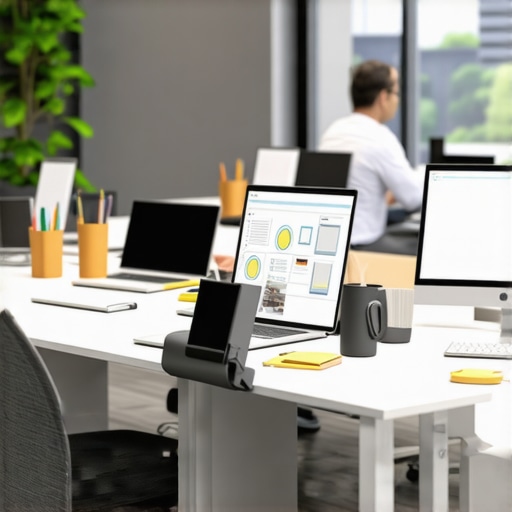
There was a moment in my startup journey when everything almost came crashing down—not because of market forces or funding shortages, but because of a simple, yet overlooked part of the hustle: our war room setup. We were in the middle of a critical product launch, teams frantically exchanging ideas in scattered meeting rooms, hallway conversations, and cramped coffee shops. The chaos was palpable. I realized we needed a dedicated space that could transform our chaos into clarity. That lightbulb moment changed the way we worked—and it can do the same for you.
The Power of a Dedicated War Room
Getting everyone on the same page during a high-stakes project can feel like herding cats. I used to think that flexible spaces and ad-hoc meetings were enough, but I quickly learned that nothing beats having a dedicated battleground for your team’s craft and chaos. A well-organized war room isn’t just a fancy term; it’s a strategic asset. It centralizes communication, speeds up decision-making, and supercharges collaboration. Once we set up our own, our productivity metrics soared, and our team felt more aligned than ever. In fact, companies that use dedicated collaboration spaces see a 20% increase in project delivery speed, as per recent industry reports. If you’re still debating whether to carve out a similar space, keep reading—I’m here to walk you through how to do it right.
Ever Thought a War Room Is Overkill? Think Again
Early on, I made the mistake of assuming that a temporary setup wouldn’t really matter—it was just a corner in the shared coworking space. Spoiler: it did matter. And the mistakes I made early on? I overlooked the importance of soundproofing, flexible furniture, and reliable tech setups, which turned into headaches during crunch time. Trust me, it’s tempting to cut corners when you’re strapped for budget or space, but those oversights can cost you more than just time—they can derail your project altogether.
If you’re facing tight deadlines or complex projects, a dedicated war room can be your secret weapon. Curious about the best ways to set one up? I’ll walk you through the essentials—staying practical, budget-friendly, and effective—but first, it’s worth considering how to ensure that your space actually enhances your team’s creativity and focus. For more insights on choosing the right workspace, you might find this read helpful: How to Choose the Perfect Conference Room for Business Success. Ready to dive in? Let’s get started on transforming your chaos into collaborative power.
Design the Space Intentionally
Start by selecting a dedicated room that minimizes distractions and fosters focus. Think of it as creating a command center—so prioritize privacy, soundproofing, and sufficient space for whiteboards and equipment. When I set up ours, I repurposed a meeting room with portable partitions and added acoustic panels, which reduced noise disruptions during intense planning sessions. This setup kept our team engaged and allowed quick pivoting without the usual chaos.
Equip for Collaboration and Tech Reliability
Invest in reliable technology—high-speed Wi-Fi, multiple screens, charging stations, and video conferencing tools. If you’re working on a tight budget, start with secondhand monitors and prioritize essential software. During our first launch phase, faulty Wi-Fi kept delaying critical decisions. We later upgraded our network and adopted tools like creative coworking spaces that offered seamless connectivity, significantly improving our response time.
Organize for Efficiency and Clarity
Use visual management systems—whiteboards, Kanban boards, or digital dashboards—to track progress transparently. Label areas distinctly: brainstorming, decision-making, and resource storage. During a late-night sprint, I marked todos on a whiteboard, which became our live status map. It helped everyone visualize the progress and bottlenecks at a glance, improving accountability and momentum.
Establish Clear Protocols and Roles
Set simple ground rules and assign roles such as facilitator, note-taker, and timekeeper. For example, during a product iteration meeting, I became the facilitator, keeping discussions on track and making sure every voice was heard. This prevents the war room from devolving into chaos and ensures productive sessions. Consistent routines, like daily stand-ups or review sessions, embed discipline into your workflow.
Maintain Accessibility and Flexibility
Ensure the room’s layout can be quickly adapted for different needs—breakout sessions, presentations, or solo work. Rolling chairs, foldable tables, and mobile whiteboards promote flexibility. When we hosted a mock pitch, reconfiguring the space in minutes allowed us to simulate client meetings more realistically, boosting our team’s confidence.
Leverage Community Resources
If you’re unsure about allocating permanent space, consider coworking hubs with dedicated areas for startups. Many shared workspaces offer private rooms equipped with the essentials. During a period when our office lease was delayed, renting a coworking conference room kept our momentum alive without breaking the bank. Additionally, such environments foster spontaneous networking that can spark unforeseen collaborations.
While the basics of setting up meeting rooms or choosing coworking spaces are well-understood, there’s a layer of nuance that often goes unnoticed—yet could make or break your startup’s productivity. Everyone talks about having a dedicated space, but few realize how subtle design choices can influence team dynamics and innovation. Often, startups fall into the trap of treating meeting rooms as mere gathering spots instead of strategic assets; for example, neglecting acoustics can lead to persistent distractions, undermining focus and collaboration. This common mistake hampers efficiency and can even cause misunderstandings, especially during complex discussions.
A frequent misconception is believing that larger or fancier spaces automatically foster creativity. However, studies suggest that intentionally designed environments—those that encourage spontaneous interactions and provide private corners—actually boost innovation more effectively. For instance, innovative meeting rooms that incorporate flexible furniture and informal zones have been proven to stimulate out-of-the-box thinking in startups. Don’t forget, the location and ambiance also matter: a sterile, noisy, or overcrowded space can suppress creativity, even if it looks impressive.
An often-overlooked aspect is how the choice of coworking spaces influences your startup’s culture and networking opportunities. Many founders think any shared space will do, but the right environment can mean the difference between stagnation and growth. Spaces that facilitate peer-to-peer learning and spontaneous conversations can accelerate your learning curve and open doors to partnerships. For example, leveraging coworking hubs with vibrant communities and multiple collaboration zones—as detailed here—can fundamentally enhance your team’s exposure to fresh ideas.
A common mistake startups make involves underestimating the importance of adaptability in their meeting spaces. Rigid setups that cannot be reconfigured limit spontaneous brainstorming sessions, crucial for fast-paced environments. Instead, modular furniture and adjustable layouts allow teams to shift seamlessly between different modes of working, fostering agility. By designing with flexibility, you future-proof your space for evolving needs and project scales.
What most people get wrong is thinking that tech setup is the only critical factor. While reliable Wi-Fi and conferencing tools are essential, many overlook the subtler elements—like sound masking or ambient lighting—which significantly impact concentration and mood. These nuances can result in missed details or decreased morale if ignored. Advanced startups understand that every element, from acoustics to lighting, contributes to a high-performance environment.
**How can design choices in meeting rooms influence a startup’s ability to innovate?** Prioritizing flexible, thoughtfully arranged environments encourages spontaneous collaboration and reduces friction—key drivers of creativity. Investing in versatile spaces isn’t just a fancy upgrade; it’s a strategic move to unlock your team’s full potential. For guidance on selecting spaces that align with your growth, check out this insightful article on [how to choose the perfect conference room for your business success](https://coworkingcentral.com/how-to-choose-the-perfect-conference-room-for-business-success).
Remember, overlooking these nuances might seem minor but can produce major drawbacks over time. Maintaining a keen eye on environment design and space adaptability helps foster an atmosphere where ideas flourish and teams thrive. Have you ever fallen into this trap? Let me know in the comments.Keeping your startup’s meeting spaces operational and effective requires the right tools and a proactive approach. I personally rely on a combination of hardware and software that streamlines booking, enhances collaboration, and ensures long-term efficiency. For instance, **digital scheduling platforms like Calendly** have become indispensable for managing room reservations smoothly, preventing double-bookings and last-minute conflicts. I use it daily to coordinate our team’s time slots, which significantly reduces administrative overhead.
On the hardware side, investing in **high-quality wireless presentation systems such as the ClickShare** allows remote team members and visitors to share content effortlessly without fiddling with cables. This tool has transformed our collaborative sessions, making them more engaged and less disruptive. Additionally, I swear by **smart whiteboards like the Google Jamboard** — they not only facilitate brainstorming sessions but also integrate seamlessly with cloud storage, ensuring ideas are preserved and accessible.
To maintain these tools over time, regular software updates and routine hardware checks are vital. Scheduling quarterly reviews ensures that software licenses stay current, firmware updates are applied, and any hardware issues are addressed before they impact productivity. Engaging with your vendors or space providers through resources like [Coworking Central’s contact page](https://coworkingcentral.com/contact-us-2) can simplify this process.
Predicting the future, I believe the trend leans towards fully integrated AI-powered management systems that can automatically adjust lighting, temperature, and booking schedules based on usage patterns. Embracing this tech early will keep your spaces not just functional but intuitively smart.
**How do I maintain my meeting room tools over time?** Regular training sessions for your team ensure everyone leverages these tools effectively and adapts to updates swiftly. Additionally, creating a checklist for routine maintenance, like syncing calendars and inspecting hardware, helps prevent unexpected breakdowns.
Implementing **automated booking integrations** or smart tech like occupancy sensors can also optimize space utilization and decrease energy waste. For example, simply installing occupancy sensors that turn off lights when rooms are unoccupied can cut costs and extend equipment life, which is supported by studies referenced in [The Role of Flex Space](https://coworkingcentral.com/the-role-of-flex-space-in-a-modern-business-scaling-strategy).
Finally, don’t hesitate to experiment with advanced configurations, such as linking your booking system with your lighting controls. This proactive approach—combining reliable hardware with intelligent software—builds a resilient and responsive environment that scales with your startup. Want to get started? Try integrating a smart scheduling system today and see how it vastly improves your team’s workflow. For more tailored advice, feel free to reach out via [Coworking Central’s contact page](https://coworkingcentral.com/contact-us-2).
Little Secrets That Changed My Perspective on Meeting Spaces
One unexpected lesson from my startup journey was realizing how much the physical environment impacts team morale and productivity. Investing in a well-thought-out war room transformed our energy during critical projects and taught me that environment design is often undervalued. Additionally, I learned that small details—like soundproofing and furniture flexibility—are pivotal in creating spaces where innovation thrives. Finally, I discovered that embracing modular, adaptable setups prevents stagnation and keeps the team agile in a fast-moving startup landscape.
Tools and Insights That Keep My Startup Spaces Sharp
I’ve found that integrating reliable tech like creative coworking spaces and smart booking systems such as Calendly streamlines operations and fosters seamless collaboration. Books like “The Future of Conference Rooms in Startup Ecosystems” have expanded my understanding of space innovation, inspiring me to rethink traditional setups. For ongoing reference and strategic planning, engaging with industry reports and expert articles ensures I stay ahead in creating environments that fuel growth.
Your Next Leap with a Purposeful Meeting Space
Transforming your startup’s meeting rooms into hubs of creativity and efficiency is within reach. Start by designing flexible environments, leveraging smart technology, and adopting a culture that values physical proximity for rapid iteration. Remember, the right space is more than just a background; it’s a catalyst for success. If you’re ready to elevate your team’s productivity and innovation, take that first step today—your future self will thank you.