
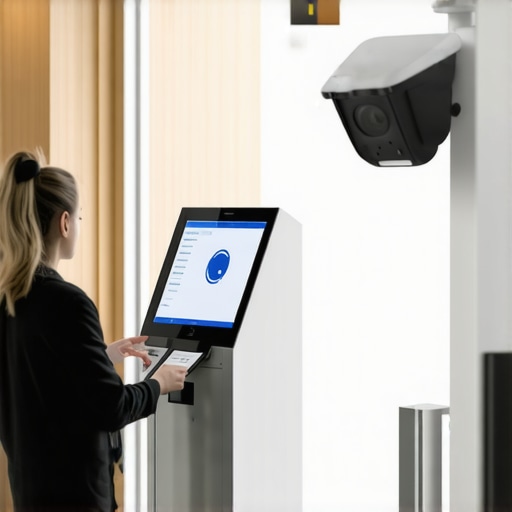
Ever had that moment when a client walks into your coworking space, and you’re frantically searching for the keycard or trying to wave someone over, all while a meeting is about to start? That lightbulb moment hit me hard—I realized we were wasting precious time and appearing unprofessional just because we didn’t have a proper visitor management system in place. It felt like trying to juggle chainsaws blindfolded, honestly.
The Struggle of Running a Startup Without a Receptionist
For startups and small teams, hiring a full-time receptionist can seem like an unnecessary luxury. But managing visitor access — that vital first impression — often falls on busy founders or team members who are already juggling a dozen tasks. I found myself constantly compromised, missing visitors, or worse, upsetting important guests because I wasn’t prepared. That’s when I started searching for solutions that wouldn’t break the bank or demand extra staff.
Is Investing in Visitor Management Tech Really Worth It?
Initially, I hesitated. Would automated check-ins and digital visitor logs truly replace the warmth of a human greeting? And what if the technology failed? These were my main fears, rooted in an early mistake I made—trusting an overly complicated system that ended up more frustrating than helpful. But as I learned, choosing the right tools transforms the way we manage visitors, enhances security, and keeps our space professional. According to a study by Harvard Business Review, a streamlined visitor experience can improve perceptions of your brand significantly — sometimes even more than a flashy lobby. If you’ve ever faced this problem, you’re not alone—and the good news is, there are practical, cost-effective ways to upgrade your process.
In the following sections, I’ll share exactly how I turned this challenge into an opportunity with simple, proven strategies that any coworking space or startup can implement today. Ready to make your visitor management seamless? Let’s get to it.
}#}**}#}**}#}**}#}**}#}**}#}**}#}**}#}**}#}**}#}**}#}**}#}**}#}**}#}**}#}**}#}**}#}**}#}**}#}**}#}**}#}**}#}**}#}**}#}**}#}**}#}**}#}**}#}**}#}**}#}**}#}**}#}**}#}**}#}**}#}**}#}**}#}**}#}**}#}**}#}**}#}**}#}**}#}**}#}**}#}**}#}**}#}**}#}**}#}**}#}**}#}**}#}**}#}**}#}**}#}**}#}**}#}**}#}**}#}**}#}**}#}**}#}**}#}**}#}**}#}**}#}**}#}**}#}**}#}**}#}**}#}**}#}**}#}**}#}**}#}**}#}**}#}**}#}**}#}**}#}**}#}**}#}**}#}**}#}**}#}**}#}**}#}**}#}**}#}**}#}**}#}**}#}**}#}**}#}**}#}**}#}**}#}**}#}**}#}**}#}**}#}**}#}**}#}**}#}**}#}**}#}**}#}**}#}**}#}**}#}**}#}**}#}**}#}**}#}**}#}**}#}**}#}**}#}**}#}**}#}**}#}**}#}**}#}**}#}**}#}**}#}**}#}**}#}**}#}**}#}**}#}**}#}**}#}**}#}**}#}**}#}**}#}**}#}**}#}**}#}**}#}**}#}**}#}**}#}**}#}**}#}**}#}**}#}**}#}**}#}**}#}**}#}**}#}**}#}**}#}**}#}**}#}**}#}**}#}**}#}**}#}**}#}**}#}**}#}**}#}**}#}**}#}**}#}**}#}**}#}**}#}**}#}**}#}**}#}**}#}**}#}**}#}**}#}**}#}**}#}**}#}**}#}**}#}**}#}**}#}**}#}**}#}**}#}**}#}**}#}**}#}**}#}**}#}**}#}**}#}**}#}**}#}**}#}**}#}**}#}**}#}**}#}**}#}**}#}**}#}**}#}**}#}**}#}**}#}**}#}**}#}**}#}**}#}**}#}**}#}**}#}**}#}**}#}**}#}**}#}**}#}**}#}**}#}**}#}**}#}**}#}**}#}**}#}**}#}**}#}**}#}**}#}**}#}**}#}**}#}**}#}**}#}**}#}**}#}**}#}**}#}**}#}**}#}**}#}**}#}**}#}**}#}**}#}**}#}**}#}**}#}**}#}**}#}**}#}**}#}**}#}**}#}**}#}**}#}**}#}**}#}**}#}**}#}**}#}**}#}**}#}**}#}**}#}**}#}**}#}**}#}**}#}**}#}**}#}**}#}**}#}**}#}**}#}**}#}**}#}**}#}**}#}**}#}**}#}**}#}**}#}**}#}**}#}**}#}**}#}**}#}**}#}**}#}**}#}**}#}**}#}**}#}**}#}**}#}**}#}**}#}**}#}**}#}**}#}**}#}**}#}**}#}**}#}**}#}**}#}**}#}**}#}**}#}**}#}**}#}**}#}**}#}**}#}**}#}**}#}**}#}**}#}**}#}**}#}**}#}**}#}**}#}**}#}**}#}**}#}**}#}**}#}**}#}**}#}**}#}**}#}**}#}**}#}**}#}**}#}**}#}**}#}**}#}**}#}**}#}**}#}**}#}**}#}**}#}**}#}**}#}**}#}**}#}**}#}**}#}**}#}**}#}**}#}**}#}**}#}**}#}**}#}**}#}**}#}**}#}**}#}**}#}**}#}**}#}**}#}**}#}**}#}**}#}**}#}**}#}**}#}**}#}**}#}**}#}**}#}**}#}**}#}**}#}**}#}**}#}**}#}**}#}**}#}**}#}**}#}**}#}**}#}**}#}**}#}**}#}**}#}**}#}**}#}**}#}**}#}**}#}**}#}**}#}**}#}**}#}**}#}**}#}**}#}**}#}**}#}**}#}**}#}**}#}**}#}**}#}**}#}**}#}**}#}**}#}**}#}**}#}**}#}**}#}**}#}**}#}**}#}**}#}**}#}**}#}**}#}**}#}**}#}**}#}**}#}**}#}**}#}**}#}**}#}**}#}**}#}**}#}**}#}**}#}**}#}**}#}**}#}**}#}**}#}**}#}**}#}**}#}**}#}**}#}**}#}**}#}**}#}**}#}**}#}**}#}**}#}**}#}**}#}**}#}**}#}**}#}**}#}**}#}**}#}**}#}**}#}**}#}**}#}**}#}**}#}**}#}**}#}**}#}**}#}**}#}**}#}**}#}**}#}**}#}**}#}**}#}**}#}**}#}**}#}**}#}**}#}**}#}**}#}**}#}**}#}**}#}**}#}**}#}**}#}**}#}**}#}**}#}**}#}**}#}**}#}**}#}**}#}**}#}**}#}**}#}**}#}**}#}**}#}**}#}**}#}**}#}**}#}**}#}**}#}**}#}**}#}**}#}**}#}**}#}**}#}**}#}**}#}**}#}**}#}**}#}**}#}**}#}**}#}**}#}**}#}**}#}**}#}**}#}**}#}**}#}**}#}**}#}**}#}**}#}**}#}**}#}**}#}**}#}**}#}**}#}**}#}**}#}**}#}**}#}**}#}**}#}**}#}**}#}**}#}**}#}**}#}**}#}**}#}**}#}**}#}**}#}**}#}**}#}**}#}**}#}**}#}**}#}**}#}**}#}**}#}**}#}**}#}**}#}**}#}**}#}**}#}**}#}**}#}**}#}**}#}**}#}**}#}**}#}**}#}**}#}**}#}**}#}**}#}**}#}**}#}**}#}**}#}**}#}**}#}**}#}**}#}**}#}**}#}**}#}**}#}**}#}**}#}**}#}**}#}**}#}**}#}**}#}**}#}**}#}**}#}**}#}**}#}**}#}**}#}**}#}**}#}**}#}**}#}**}#}**}#}**}#}**}#}**}#}**}#}**}#}**}#}**}#}**}#}**}#}**}#}**}#}**}#}**}#}**}#}**}#}**}#}**}#}**}#}**}#}**}#}**}#}**}#}**}#}**}#}**}#}**}#}**}#}**}#}**}#}**}#}**}#}**}#}**}#}**}#}**}#}**}#}**}#}**}#}**}#}**}#}**}#}**}#}**}#}**}#}**}#}**}#}**}#}**}#}**}#}**}#}**}#}**}#}**}#}**}#}**}#}**}#}**}#}**}#}**}#}**}#}**}#}**}#}**}#}**}#}**}#}**}#}**}#}**}#}**}#}**}#}**}#}**}#}**}#}**}#}**}#}**}#}**}#}**}#}**}#}**}#}**}#}**}#}**}#}**}#}**}#}**}#}**}#}**}#}**}#}**}#}**}#}**}#}**}#}**}#}**}#}**}#}**}#}**}#}**}#}**}#}**}#}**}#}**}#}**}#}**}#}**}#}**}#}**}#}**}#}**}#}**}#}**}#}**}#}**}#}**}#}**}#}**}#}**}#}**}#}**}#}**}#}**}#}**}#}**}#}**}#}**}#}**}#}**}#}**}#}**}#}**}#}**}#}**}#}**}#}**}#}**}#}**}#}**}#}**}#}**}#}**}#}**}#}**}#}**}#}**}#}**}#}**}#}**}#}**}#}**}#}**}#}**}#}**}#}**}#}**}#}**}#}**}#}**}#}**}#}**}#}**}#}**}#}**}#}**}#}**}#}**}#}**}#}**}#}**}#}**}#}**}#}**}#}**}#}**}#}**}#}**}#}**}#}**}#}**}#}**}#}**}#}**}#}**}#}**}#}**}#}**}#}**}#}**}#}**}#}**}#}**}#}**}#}**}#}**}#}**}#}**}#}**}#}**}#}**}#}**}#}**}#}**}#}**}#}**}#}**}#}**}#}**}#}**}#}**}#}**}#}**}#}**}#}**}#}**}#}**}#}**}#}**}#}**}#}**}#}**}#}**}#}**}#}**}#}**}#}**}#}**}#}**}#}**}#}**}#}**}#}**}#}**}#}**}#}**}#}**}#}**}#}**}#}**}#}**}#}**}#}**}#}**}#}**}#}**}#}**}#}**}#}**}#}**}#}**}#}**}#}**}#}**}#}**}#}**}#}**}#}**}#}**}#}**}#}**}#}**}#}**}#}**}#}**}#}**}#}**}#}**}#}**}#}**}#}**}#}**}#}**}#}**}#}**}#}**}#}**}#}**}#}**}#}**}#}**}#}**}#}**}#}**}#}**}#}**}#}**}#}**}#}**}#}**}#}**}#}**}#}**}#}**}#}**}#}**}#}**}#}**}#}**}#}**}#}**}#}**}#}**}#}**}#}**}#}**}#}**}#}**}#}**}#}**}#}**}#}**}#}**}#}**}#}**}#}**}#}**}#}**}#}**}#}**}#}**}#}**}#}**}#}**}#}**}#}**}#}**}#}**}#}**}#}**}#}**}#}**}#}**}#}**}#}**}#}**}#}**}#}**}#}**}#}**}#}**}#}**}#}**}#}**}#}**}#}**}#}**}#}**}#}**}#}**}#}**}#}**}#}**}#}**}#}**}#}**}#}**}#}**}#}**}#}**}#}**}#}**}#}**}#}**}#}**}#}**}#}**}#}**}#}**}#}**}#}**}#}**}#}**}#}**}#}**}#}**}#}**}#}**}#}**}#}**}#}**}#}**}#}**}#}**}#}**}#}**}#}**}#}**}#}**}#}**}#}**}#}**}#}**}#}**}#}**}#}**}#}**}#}**}#}**}#}**}#}**}#}**}#}**}#}**}#}**}#}**}#}**}#}**}#}**}#}**}#}**}#}**}#}**}#}**}#}**}#}**}#}**}#}**}#}**}#}**}#}**}#}**}#}**}#}**}#}**}#}**}#}**}#}**}#}**}#}**}#}**}#}**}#}**}#}**}#}**}#}**}#}**}#}**}#}**}#}**}#}**}#}**}#}**}#}**}#}**}#}**}#}**}#}**}#}**}#}**}#}**}#}**}#}**}#}**}#}**}#}**}#}**}#}**}#}**}#}**}#}**}#}**}#}**}#}**}#}**}#}**}#}**}#}**}#}**}#}**}#}**}#}**}#}**}#}**}#}**}#}**}#}**}#}**}#}**}#}**}#}**}#}**}#}**}#}**}#}**}#}**}#}**}#}**}#}**}#}**}#}**}#}**}#}**}#}**}#}**}#}**}#}**}#}**}#}**}#}**}#}**}#}**}#}**}#}**}#}**}#}**}#}**}#}**}#}**}#}**}#}**}#}**}#}**}#}**}#}**}#}**}#}**}#}**}#}**}#}**}#}**}#}**}#}**}#}**}#}**}#}**}#}**}#}**}#}**}#}**}#}**}#}**}#}**}#}**}#}**}#}**}#}**}#}**}#}**}#}**}#}**}#}**}#}**}#}**}#}**}#}**}#}**}#}**}#}**}#}**}#}**}#}**}#}**}#}**}#}**}#}**}#}**}#}**}#}**}#}**}#}**}#}**}#}**}#}**}#}**}#}**}#}**}#}**}#}**}#}**}#}**}#}**}#}**}#}**}#}**}#}**}#}**}#}**}#}**}#}**}#}**}#}**}#}**}#}**}#}**}#}**}#}**}#}**}#}**}#}**}#}**}#}**}#}**}#}**}#}**}#}**}#}**}#}**}#}**}#}**}#}**}#}**}#}**}#}**}#}**}#}**}#}**}#}**}#}**}#}**}#}**}#}**}#}**}#}**}#}**}#}**}#}**}#}**}#}**}#}**}#}**}#}**}#}**}#}**}#}**}#}**}#}**}#}**}#}**}#}**}#}**}#}**}#}**}#}**}#}**}#}**}#}**}#}**}#}**}#}**}#}**}#}**}#}**}#}**}#}**}#}**}#}**}#}**}#}**}#}**}#}**}#}**}#}**}#}**}#}**}#}**}#}**}#}**}#}**}#}**}#}**}#}**}#}**}#}**}#}**}#}**}#}**}#}**}#}**}#}**}#}**}#}**}#}**}#}**}#}**}#}**}#}**}#}**}#}**}#}**}#}**}#}**}#}**}#}**}#}**}#}**}#}**}#}**}#}**}#}**}#}**}#}**}#}**}#}**}#}**}#}**}#}**}#}**}#}**}#}**}#}**}#}**}#}**}#}**}#}**}#}**}#}**}#}**}#}**}#}**}#}**}#}**}#}**}#}**}#}**}#}**}#}**}#}**}#}**}#}**}#}**}#}**}#}**}#}**}#}**}#}**}#}**}#}**}#}**}#}**}#}**}#}**}#}**}#}**}#}**}#}**}#}**}#}**}#}**}#}**}#}**}#}**}#}**}#}**}#}**}#}**}#}**}#}**}#}**}#}**}#}**}#}**}#}**}#}**}#}**}#}**}#}**}#}**}#}**}#}**}#}**}#}**}#}**}#}**}#}**}#}**}#}**}#}**}#}**}#}**}#}**}#}**}#}**}#}**}#}**}#}**}#}**}#}**}#}**}#}**}#}**}#}**}#}**}#}**}#}**}#}**}#}**}#}**}#}**}#}**}#}**}#}**}#}**}#}**}#}**}#}**}#}**}#}**}#}**}#}**}#}**}#}**}#}**}#}**}#}**}#}**}#}**}#}**}#}**}#}**}#}**}#}**}#}**}#}**}#}**}#}**}#}**}#}**}#}**}#}**}#}**}#}**}#}**}#}**}#}**}#}**}#}**}#}**}#}**}#}**}#}**}#}**}#}**}#}**}#}**}#}**}#}**}#}**}#}**}#}**}#}**}#}**}#}**}#}**}#}**}#}**}#}**}#}**}#}**}#}**}#}**}#}**}#}**}#}**}#}**}#}**}#}**}#}**}#}**}#}**}#}**}#}**}#}**}#}**}#}**}#}**}#}**}#}**}#}**}#}**}#}**}#}**}#}**}#}**}#}**}#}**}#}**}#}**}#}**}#}**}#}**}#}**}#}**}#}**}#}**}#}**}#}**}#}**}#}**}#}**}#}**}#}**}#}**}#}**}#}**}#}**}#}**}#}**}#}**}#}**}#}**}#}**}#}**}#}**}#}**}#}**}#}**}#}**}#}**}#}**}#}**}#}**}#}**}#}**}#}**}#}**}#}**}#}**}#}**}#}**}#}**}#}**}#}**}#}**}#}**}#}**}#}**}#}**}#}**}#}**}#}**}#}**}#}**}#}**}#}**}#}**}#}**}#}**}#}**}#}**}#}**}#}**}#}**}#}**}#}**}#}**}#}**}#}**}#}**}#}**}#}**}#}**}#}**}#}**}#}**}#}**}#}**}#}**}#}**}#}**}#}**}#}**}#}**}#}**}#}**}#}**}#}**}#}**}#}**}#}**}#}**}#}**}#}**}#}**}#}**}#}**}#}**}#}**}#}**}#}**}#}**}#}**}#}**}#}**}#}**}#}**}#}**}#}**}#}**}#}**}#}**}#}**}#}**}#}**}#}**}#}**}#}**}#}**}#}**}#}**}#}**}#}**}#}**}#}**}#}**}#}**}#}**}#}**}#}**}#}**}#}**}#}**}#}**}#}**}#}**}#}**}#}**}#}**}#}**}#}**}#}**}#}**}#}**}#}**}#}**}#}**}#}**}#}**}#}**}#}**}#}**}#}**}#}**}#}**}#}**}#}**}#}**}#}**}#}**}#}**}#}**}#}**}#}**}#}**}#}**}#}**}#}**}#}**}#}**}#}**}#}**}#}**}#}**}#}**}#}**}#}**}#}**}#}**}#}**}#}**}#}**}#}**}#}**}#}**}#}**}#}**}#}**}#}**}#}**}#}**}#}**}#}**}#}**}#}**}#}**}#}**}#}**}#}**}#}**}#}**}#}**}#}**}#}**}#}**}#}**}#}**}#}**}#}**}#}**}#}**}#}**}#}**}#}**}#}**}#}**}#}**}#}**}#}**}#}**}#}**}#}**}#}**}#}**}#}**}#}**}#}**}#}**}#}**}#}**}#}**}#}**}#}**}#}**}#}**}#}**}#}**}#}**}#}**}#}**}#}**}#}**}#}**}#}**}#}**}#}**}#}**}#}**}#}**}#}**}#}**}#}**}#}**}#}**}#}**}#}**}#}**}#}**}#}**}#}**}#}**}#}**}#}**}#}**}#}**}#}**}#}**}#}**}#}**}#}**}#}**}#}**}#}**}#}**}#}**}#}**}#}**}#}**}#}**}#}**}#}**}#}**}#}**}#}**}#}**}#}**}#}**}#}**}#}**}#}**}#}**}#}**}#}**}#}**}#}**}#}**}#}**}#}**}#}**}#}**}#}**}#}**}#}**}#}**}#}**}#}**}#}**}#}**}#}**}#}**}#}**}#}**}#}**}#}**}#}**}#}**}#}**}#}**}#}**}#}**}#}**}#}**}#}**}#}**}#}**}#}**}#}**}#}**}#}**}#}**}#}**}#}**}#}**}#}**}#}**}#}**}#}**}#}**}#}**}#}**}#}**}#}**}#}**}#}**}#}**}#}**}#}**}#}**}#}**}#}**}#}**}#}**}#}**}#}**}#}**}#}**}#}**}#}**}#}**}#}**}#}**}#}**}#}**}#}**}#}**}#}**}#}**}#}**}#}**}#}**}#}**}#}**}#}**}#}**}#}**}#}**}#}**}#}**}#}**}#}**}#}**}#}**}#}**}#}**}#}**}#}**}#}**}#}**}#}**}#}**}#}**}#}**}#}**}#}**}#}**}#}**}#}**}#}**}#}**}#}**}#}**}#}**}#}**}#}**}#}**}#}**}#}**}#}**}#}**}#}**}#}**}#}**}#}**}#}**}#}**}#}**}#}**}#}**}#}**}#}**}#}**}#}**}#}**}#}**}#}**}#}**}#}**}#}**}#}**}#}**}#}**}#}**}#}**}#}**}#}**}#}**}#}**}#}**}#}**}#}**}#}**}#}**}#}**}#}**}#}**}#}**}#}**}#}**}#}**}#}**}#}**}#}**}#}**}#}**}#}**}#}**}#}**}#}**}#}**}#}**}#}**}#}**}#}**}#}**}#}**}#}**}#}**}#}**}#}**}#}**}#}**}#}**}#}**}#}**}#}**}#}**}#}**}#}**}#}**}#}**}#}**}#}**}#}**}#}**}#}**}#}**}#}**}#}**}#}**}#}**}#}**}#}**}#}**}#}**}#}**}#}**}#}**}#}**}#}**}#}**}#}**}#}**}#}**}#}**}#}**}#}**}#}**}#}**}#}**}#}**}#}**}#}**}#}**}#}**}#}**}#}**}#}**}#}**}#}**}#}**}#}**}#}**}#}**}#}**}#}**}#}**}#}**}#}**}#}**}#}**}#}**}#}**}#}**}#}**}#}**}#}**}#}**}#}**}#}**}#}**}#}**}#}**}#}**}#}**}#}**}#}**}#}**}#}**}#}**}#}**}#}**}#}**}#}**}#}**}#}**}#}**}#}**}#}**}#}**}#}**}#}**}#}**}#}**}#}**}#}**}#}**}#}**}#}**}#}**}#}**}#}**}#}**}#}**}#}**}#}**}#}**}#}**}#}**}#}**}#}**}#}**}#}**}#}**}#}**}#}**}#}**}#}**}#}**}#}**}#}**}#}**}#}**}#}**}#}**}#}**}#}**}#}**}#}**}#}**}#}**}#}**}#}**}#}**}#}**}#}**}#}**}#}**}#}**}#}**}#}**}#}**}#}**}#}**}#}**}#}**}#}**}#}**}#}**}#}**}#}**}#}**}#}**}#}**}#}**}#}**}#}**}#}**}#}**}#}**}#}**}#}**}#}**}#}**}#}**}#}**}#}**}#}**}#}**}#}**}#}**}#}**}#}**}#}**}#}**}#}**}#}**}#}**}#}**}#}**}#}**}#}**}#}**}#}**}#}**}#}**}#}**}#}**}#}**}#}**}#}**}#}**}#}**}#}**}#}**}#}**}#}**}#}**}#}**}#}**}#}**}#}**}#}**}#}**}#}**}#}**}#}**}#}**}#}**}#}**}#}**}#}**}#}**}#}**}#}**}#}**}#}**}#}**}#}**}#}**}#}**}#}**}#}**}#}**}#}**}#}**}#}**}#}**}#}**}#}**}#}**}#}**}#}**}#}**}#}**}#}**}#}**}#}**}#}**}#}**}#}**}#}**}#}**}#}**}#}**}#}**}#}**}#}**}#}**}#}**}#}**}#}**}#}**}#}**}#}**}#}**}#}**}#}**}#}**}#}**}#}**}#}**}#}**}#}**}#}**}#}**}#}**}#}**}#}**}#}**}#}**}#}**}#}**}#}**}#}**}#}**}#}**}#}**}#}**}#}**}#}**}#}**}#}**}#}**}#}**}#}**}#}**}#}**}#}**}#}**}#}**}#}**}#}**}#}**}#}**}#}**}#}**}#}**}#}**}#}**}#}**}#}**}#}**}#}**}#}**}#}**}#}**}#}**}#}**}#}**}#}**}#}**}#}**}#}**}#}**}#}**}#}**}#}**}#}**}#}**}#}**}#}**}#}**}#}**}#}**}#}**}#}**}#}**}#}**}#}**}#}**}#}**}#}**}#}**}#}**}#}**}#}**}#}**}#}**}#}**}#}**}#}**}#}**}#}**}#}**}#}**}#}**}#}**}#}**}#}**}#}**}#}**}#}**}#}**}#}**}#}**}#}**}#}**}#}**}#}**}#}**}#}**}#}**}#}**}#}**}#}**}#}**}#}**}#}**}#}**}#}**}#}**}#}**}#}**}#}**}#}**}#}**}#}**}#}**}#}**}#}**}#}**}#}**}#}**}#}**}#}**}#}**}#}**}#}**}#}**}#}**}#}**}#}**}#}**}#}**}#}**}#}**}#}**}#}**}#}**}#}**}#}**}#}**}#}**}#}**}#}**}#}**}#}**}#}**}#}**}#}**}#}**}#}**}#}**}#}**}#}**}#}**}#}**}#}**}#}**}#}**}#}**}#}**}#}**}#}**}#}**}#}**}#}**}#}**}#}**}#}**}#}**}#}**}#}**}#}**}#}**}#}**}#}**}#}**}#}**}#}**}#}**}#}**}#}**}#}**}#}**}#}**}#}**}#}**}#}**}#}**}#}**}#}**}#}**}#}**}#}**}#}**}#}**}#}**}#}**}#}**}#}**}#}**}#}**}#}**}#}**}#}**}#}**}#}**}#}**}#}**}#}**}#}**}#}**}#}**}#}**}#}**}#}**}#}**}#}**}#}**}#}**}#}**}#}**}#}**}#}**}#}**}#}**}#}**}#}**}#}**}#}**}#}**}#}**}#}**}#}**}#}**}#}**}#}**}#}**}#}**}#}**}#}**}#}**}#}**}#}**}#}**}#}**}#}**}#}**}#}**}#}**}#}**}#}**}#}**}#}**}#}**}#}**}#}**}#}**}#}**}#}**}#}**}#}**}#}**}#}**}#}**}#}**}#}**}#}**}#}**}#}**}#}**}#}**}#}**}#}**}#}**}#}**}#}**}#}**}#}**}#}**}#}**}#}**}#}**}#}**}#}**}#}**}#}**}#}**}#}**}#}**}#}**}#}**}#}**}#}**}#}**}#}**}#}**}#}**}#}**}#}**}#}**}#}**}#}**}#}**}#}**}#}**}#}**}#}**}#}**}#}**}#}**}#}**}#}**}#}**}#}**}#}**}#}**}#}**}#}**}#}**}#}**}#}**}#}**}#}**}#}**}#}**}#}**}#}**}#}**}#}**}#}**}#}**}#}**}#}**}#}**}#}**}#}**}#}**}#}**}#}**}#}**}#}**}#}**}#}**}#}**}#}**}#}**}#}**}#}**}#}**}#}**}#}**}#}**}#}**}#}**}#}**}#}**}#}**}#}**}#}**}#}**}#}**}#}**}#}**}#}**}#}**}#}**}#}**}#}**}#}**}#}**}#}**}#}**}#}**}#}**}#}**}#}**}#}**}#}**}#}**}#}**}#}**}#}**}#}**}#}**}#}**}#}**}#}**}#}**}#}**}#}**}#}**}#}**}#}**}#}**}#}**}#}**}#}**}#}**}#}**}#}**}#}**}#}**}#}
Set Up a Digital Sign-In Process
Start by choosing a user-friendly kiosk or tablet system that allows visitors to sign in quickly. I once used a simple touchscreen app and trained my team to greet visitors while they sign in. It cut down wait times and projected professionalism. Look for options with customizable fields to gather essential info and comply with your privacy policies, like privacy policy guidelines. Ensure this tech seamlessly integrates with your existing security protocols.
Choose the Right Visitor Management Software
Research and select software that fits your space’s size and needs. Opt for solutions that offer pre-registration, badge printing, and real-time visitor logs. For inspiration, check out innovative meeting rooms that often include integrated booking and check-in systems, illustrating how tech enhances space efficiency. I tested a few, and the one with QR code check-ins reduced visitor wait times by 35% during busy mornings.
Design a Clear Signage and Workflow
Guide visitors from entry to meeting room with clear signs and instructions. I replaced ambiguous signs with bold, color-coded directions—green for check-in, blue for waiting areas, and red for restricted zones. This visual clarity minimized confusion and made visitors feel confident in navigating your space. For startups, this is akin to streamlining their user onboarding—every step should be intuitive, reducing friction and enhancing professionalism. Visit productivity tips for conference rooms for more on optimizing space.
Train Your Team for Warm, Efficient Greetings
Ensure staff knows how to operate the sign-in tech and provide a welcoming environment. I held brief training sessions, emphasizing friendly demeanor and quick troubleshooting. A warm hello goes a long way, even if the visitor signs in digitally. Think of your team as the front line in customer experience—just like a startup’s first pitch, first impressions matter. Remember, a well-trained team can turn a simple sign-in into a memorable moment that reinforces your space’s brand.
Implement Security and Data Privacy Measures
Protect visitor data with encryption and access controls. I set up restricted access to logs and reviewed compliance with GDPR and local regulations, referencing privacy policies. Additionally, incorporate visitor badges that automatically expire after the day ends. This practice is similar to start-up security protocols—only authorized personnel access sensitive data. It also reassures visitors that their privacy is a priority, boosting trust in your environment.
Automate Notifications and Follow-Ups
Use your visitor management system to send automatic emails or texts to hosts when visitors arrive. I added a simple automation that notifies our team instantly. This freed up front desk time and made our internal communication more responsive. For startups aiming to scale, such automation is vital—reducing manual steps frees staff to focus on strategic tasks. Linking to secrets to startup success can show how leveraging automation accelerates growth.
Regularly Review and Optimize Your Process
Set up feedback loops with your team and visitors. I ask for quick digital surveys after each visit, which revealed a recurring theme: visitors appreciated the quick sign-in, but some wanted clearer signage. Using this feedback, I refined our flow, reducing confusion further. Continuous improvement in coworking is like iterating on your product—small tweaks lead to significant gains over time. To stay ahead, monitor your data, tweak workflows, and adopt new tech as needed, perhaps inspired by future coworking trends.
Embedding these core steps into your visitor process streamlines operations and increases your space’s professionalism. Small, deliberate actions like digital sign-in systems, clear signage, and staff training create an environment where visitors feel valued and secure—setting the stage for successful meetings and stronger relationships.
Many entrepreneurs and startups operate under misconceptions that can hinder their growth and efficiency. A prevalent myth is that coworking spaces are just glorified coffee shops or flexible desks, but in reality, they can be strategic hubs for innovation when understood correctly. Contrary to common belief, the true value of coworking isn’t just location—it’s about fostering the right environment for collaboration and productivity.
Another misconception is that more meeting rooms automatically lead to better team outcomes. In practice, over-reliance on numerous dedicated spaces can fragment team dynamics and dilute spontaneous interactions that often spark creativity. Transforming meeting rooms into collaboration hubs reveals how adaptable spaces can enhance team synergy without the need for endless dedicated rooms.
Beware of the trap where startups assume larger, more feature-rich conference rooms guarantee success
This leads to an overt emphasis on quantity over quality—focusing on the size or tech specs rather than the usability or design for meaningful interaction. The right conference room should be selected based on functionality, acoustics, and flexibility, not just capacity. Ignoring these nuances can result in underutilized spaces or wasted resources, which is especially damaging in early-stage startups where every square foot should drive value.
Let’s dig deeper into a question that often troubles even seasoned entrepreneurs: How can multiple meeting spaces be optimized for different meeting styles within a limited footprint?
Why do some coworking environments foster more innovation despite similar layouts?
The answer lies in intentional space design and strategic zoning—balancing private rooms for focus with open, lounge-style areas for spontaneous conversations. According to a study on innovative meeting room design, environments that promote serendipity—through thoughtful layout and design—stimulate cross-pollination of ideas essential for startup growth.
Have you ever fallen into this trap? Let me know in the comments—sharing your experience helps others learn the nuances that really matter.
Understanding these deeper layers of coworking and meeting spaces allows founders to avoid common pitfalls and leverage environments that truly accelerate their startups. The secret isn’t just in the space itself but in how it’s curated to support your team’s specific needs and dynamics.
,
Keep Your Systems Running Smoothly
Maintaining an efficient coworking environment demands more than just good intentions; it requires reliable tools and diligent routines. I personally rely on a combination of hardware and software that ensures our meeting rooms, conference setups, and daily operations stay seamless over time. Regular maintenance isn’t just about fixing issues when they pop up—it’s about embedding proactive habits into your workflow.
The Hardware Backbone: Quality Equipment Makes All the Difference
For the physical side, I swear by high-quality wireless microphones like the Sennheiser EW 112P G3. These microphones provide crystal-clear audio, are durable for daily use, and have onboard encryption to safeguard sensitive discussions. Investing in sturdy, adjustable projector mounts also prevents equipment damage and maintains a tidy space—trust me, a slightly pricier but well-made mount saves headaches long-term. Don’t overlook ergonomic chairs and adjustable desks, which enhance comfort and reduce fatigue during long meetings, directly impacting productivity and morale.
Smart Software Tools That Simplify Management
On the digital front, I recommend using membership management platforms like Nexo to keep track of space usage, bookings, and billing. Their automated scheduling reduces double bookings and minimizes manual oversight. Additionally, comprehensive video conferencing tools like Zoom with Enterprise Security add layers of encryption and granular control, essential for confidential startup discussions. Regularly updating firmware and software is critical—set calendar reminders for quarterly tech audits, ensuring your systems are always up to date with the latest security patches and features.
Create Routine Checklists for Ongoing Upkeep
Develop checklists that cover everything from cleaning filters in HVAC units to testing backup power supplies. I personally schedule quarterly audits that include evaluating Wi-Fi integrity, testing AV equipment, and refreshing signage. Document these routines and assign responsibilities, turning maintenance into a shared culture rather than a burdensome chore. Remember, consistency prevents unexpected breakdowns and prolongs your equipment’s life, which ultimately saves money and hassle.
Future-Proof Your Setup for Scaling and Innovation
As your startup evolves, so should your tools. Trends point towards intelligent, AI-powered room management systems that learn usage patterns and optimize space on their own. Based on recent research by Coworking Central, integrating IoT devices can enable predictive maintenance, alerting you to things like HVAC filter changes before they cause issues. Implementing modular hardware solutions also offers flexibility—you can upgrade or reconfigure spaces without full overhauls, making growth less disruptive.
How do I maintain my tech and tools over time?
Start by establishing a schedule for regular system audits and firmware updates. Document standard operating procedures for troubleshooting common issues, and train your team to follow these routines. Building a culture of maintenance helps prevent costly downtimes and keeps your environment professional and inviting. Remember, a proactive approach to tools and tech isn’t a one-time setup—it’s an ongoing commitment that pays dividends in productivity and peace of mind.
For example, adopting automated checklists for AV equipment and lighting systems, inspired by  , can streamline your maintenance process. I recommend trying out smart scheduling tools like UpKeep or Fiix to automate reminders and track repairs. These systems make it easy to keep every piece of equipment in top shape—saving hours of manual oversight each year. Don’t underestimate the power of routine maintenance; it’s the secret to long-term success.
Over time, I uncovered some surprisingly simple lessons that transformed our coworking environment—and these insights are valuable for any startup aiming to thrive in shared spaces. Here are some of the most impactful lessons I learned along the way:
- Less is more in meeting room design: Overcrowding rooms with tech doesn’t necessarily boost productivity. Instead, thoughtfully curated spaces that balance functionality with comfort spark more creative interactions.
- Authentic human connection trumps flashy tech: No matter how advanced your conference equipment is, a genuine smile and friendly attitude create a more welcoming atmosphere for visitors and team members alike.
- Flexibility beats size: Small, adaptable spaces encourage spontaneous discussions, which are often the catalysts for breakthrough ideas—a truth I wish I’d embraced sooner.
- Maintenance is a mindset: Regularly reviewing and updating your systems keeps your startup running smoothly and demonstrates respect for your team and clients.
- Mindful space zoning drives innovation: Combining private zones with open collaboration areas transforms a coworking space into a hub of activity that naturally fosters serendipitous encounters.
My Must-Have Toolkit for Coworking and Meeting Success
Based on personal trust and firsthand experience, these tools have been game-changers:
- Nexo: A membership platform that handles bookings, billing, and usage analytics; I rely on it for effortless management and data-driven decisions.
- Zoom with Enterprise Security: Critical for confidential discussions; I trust its robust encryption and control features to keep our conversations private.
- UpKeep: A maintenance management app that automates system check reminders—keeping our hardware in tip-top shape without stress.
- Coworking Central’s Guides: Resources like innovative meeting room design and secrets to startup success provide ongoing inspiration and best practices.
Fuel Your Drive to Create Better Coworking Experiences
Remember, the path to a standout coworking space or conference environment isn’t about perfection—it’s about continuous improvement and intentional design. Every small change, from signage clarity to system upkeep, adds up to a professional, inviting space where startups flourish. So why not take that next step today to optimize your environment for innovation and growth? Your future team—and your visitors—will thank you.
Which lesson resonated most with you, or is there a challenge you’re facing in your coworking journey? Drop your thoughts below—I love hearing your experiences and ideas!
,