
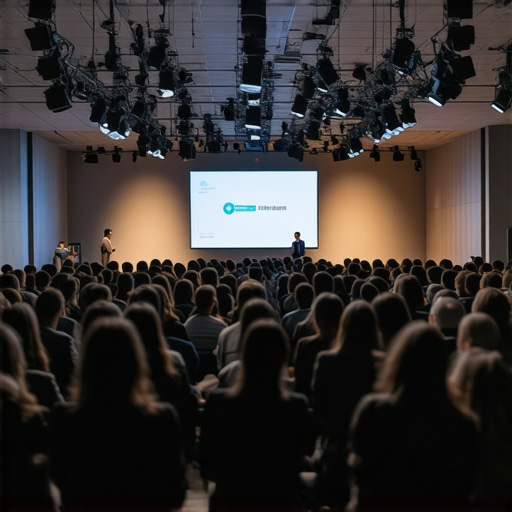
I’ll never forget the moment I watched a promising startup stumble through their demo presentation. The room was packed with eager investors, and the team looked themselves into a corner, scrambling to find their slides and sound fuzzy with the room’s poor acoustics. It was painfully clear that despite their innovative product, they’d overlooked what truly makes a demo memorable: setting the stage for success.
Many founders spend months perfecting their pitch, only to blow it at the moment that counts most—the demo day. The truth is, hosting a demo that captures investor attention and keeps it isn’t about having the flashiest slides or the most charismatic speaker. It’s about creating an environment where your innovation shines and your team’s confidence is palpable.
Today, I promise to share proven strategies to transform your next demo day into an engaging, professional showcase that investors genuinely enjoy. We’ll cover everything from choosing the right space, setting up the perfect technical environment, and avoiding common pitfalls that could cost you crucial funding.
Why Your Demo Setup Can Make or Break Funding Opportunities
Imagine walking into a conference room that feels more like a sterile hospital than a vibrant space for innovation. The lighting is dim, the sound echoes, and your presentation falls flat before you even start. It’s a nightmare scenario, yet time and again, startups neglect the importance of their physical environment, focusing instead solely on their pitch content.
The environment you host your demo in sets the tone for your entire presentation. According to research from Harvard Business Review, the right physical space can boost confidence and credibility—crucial factors in persuading investors. So, if you’ve been relying on casual coffee shops or noisy coworking areas, it might be time to rethink your approach.
A mistake I made early on was underestimating the power of a well-designed meeting room. I assumed that any quiet corner would suffice, but I quickly learned that subpar environments undermine the professionalism I needed to impress investors. And trust me, the difference a dedicated, well-equipped demo space can make is astonishing.
If you’re wondering whether investing in a quality presentation environment is worth the effort, consider this: the right setting not only improves your delivery but also signals to investors that you’re serious about your startup’s future. It’s an often-overlooked aspect that can give you a decisive edge.
Next, let’s explore how to select that perfect space—one that amplifies your strengths and minimizes distractions—so your startup can truly shine when it matters most.Selecting the right space for your startup demo is crucial—think of it as choosing the perfect stage for a performance. Your goal is to create an environment that enhances your message and builds confidence. First, identify spaces that are quiet, free from distractions, and allow for easy setup of your equipment. Look for rooms that feel professional but aren’t sterile, such as **innovative meeting rooms** that can be customized to reflect your brand’s personality. You can explore options like coworking spaces that specialize in startup-friendly environments, which often include tech-ready rooms designed to boost creativity and focus.
When I prepared for a demo, I once booked a small conference room at a local coworking hub. It was clean, well-lit, and equipped with a high-speed internet connection. I ensured the room’s acoustics minimized echo, and I brought in a portable projector—simple, yet effective. The result? Investors appreciated the professional setup, and it made conveying our vision much smoother.
Next, consider location and accessibility—aim for a space that your team and investors can reach easily. No matter how stellar your presentation, if the venue is a nightmare to find or park in, it might distract from your core message.
Establish communication with the venue staff beforehand to understand what amenities are available. Verify that your tech setup is compatible with the room’s facilities—test your projector, microphone, and internet connection well in advance. This proactive approach helps prevent last-minute surprises, keeping your demo flowing seamlessly.
For a more inspiring environment, some startups opt for spaces that foster collaboration—such as rooms with writable walls or movable furniture. This flexibility can be instrumental during interactive portions of your demo. If privacy is a concern, make sure the room can be closed off, avoiding interruptions or eavesdropping.
Finally, don’t overlook the importance of ambiance. Adjust lighting to ensure it’s bright enough for clear visuals and comfortable for the eyes. If you’re using video calls, minimize glare and avoid harsh shadows. Small details like these demonstrate professionalism and show investors you’ve thought through every aspect.
By thoughtfully selecting and preparing your demo environment, you set a tone of competence and readiness that can influence investor confidence. Want more tips on optimizing your meeting setup? Check out [how to choose the perfect conference room](https://coworkingcentral.com/how-to-choose-the-perfect-conference-room-for-business-success) or explore innovative spaces that foster startup growth at [top meeting rooms of 2025](https://coworkingcentral.com/coworking-spaces-unlock-innovation-top-meeting-rooms-of-2025-at-1123-am). Remember, a little preparation goes a long way in turning your demo into a memorable showcase.Many entrepreneurs assume that choosing a conference room or coworking space is just about proximity or cost, but the real nuance lies in understanding the unspoken dynamics that can undermine your meetings. Common myths, like the belief that all shared spaces are equally effective, often lead startups to underestimate how environmental and social factors impact productivity and professionalism.
One critical mistake is neglecting the subtle cues of space design and community culture. For instance, a room with generic furniture and poor acoustics might seem functional but can diminish your team’s confidence and hinder clear communication. As highlighted in a Harvard Business Review study, the physical environment can influence decision-making and perception—so investing in quality spaces isn’t just luxury; it’s strategic.
Another overlooked nuance is the social ecosystem within coworking spaces. Many startup founders fail to recognize that certain environments may foster distractions or toxic vibes, subtly eroding focus and morale. For example, spaces that lack proper separation between social zones and work zones can make quiet, focused work impossible. Exploring innovative meeting rooms that boost creativity, as discussed here, can help you find environments tailored for deep work rather than noise and interruptions.
How Do You Decide if a Shared Space Supports Deep Focus or Distraction?
Understanding this requires more than just touring the space; it demands assessing factors like ambient noise levels, privacy measures, and community ethos. Spaces with soundproof booths and flexible layouts, for example, are designed to support concentration, but many startups overlook these features during their selection. A space that promotes focused work enhances not just productivity but also your startup’s professionalism during investor demos or client meetings.
Beware of the ‘oops’ factor—assuming that any coworking area can support confidential discussions or critical presentations. A study by Coworking Central emphasizes choosing venues that can be tailored with private zones, reinforcing your startup’s serious intent. Moreover, always verify technical setups ahead of time; mismatched Wi-Fi or incompatible hardware can cause embarrassing delays or audio-visual failures, damaging your credibility.
To avoid falling into these traps, prioritize environments that are adaptable to your specific needs and embody a culture aligned with your brand. For more insights, check out how to select the right conference space.
In summary, understanding and leveraging the nuanced aspects of conference rooms and coworking spaces can dramatically influence your startup’s success—so dig deeper than surface-level impressions and create environments that genuinely support your goals. Have you ever fallen into this trap? Let me know in the comments.
Maintaining a seamless meeting environment requires selecting reliable tools and staying proactive with updates. I personally swear by the Logitech MeetUp for its exceptional audio and video clarity; it’s compact yet powerful enough for small to medium startup meetings, ensuring everyone can hear and see clearly. Pair that with a high-quality wireless presenter like the Logitech Spotlight, which I use to effortlessly navigate slides without fumbling with remotes or keyboard controls, especially during crucial investor pitches. For collaboration, I lean on Miro—a digital whiteboard that facilitates real-time brainstorming and keeps remote and in-person teams aligned, proving invaluable in hybrid settings.
Staying on top of updates for these tools is essential. Scheduling regular check-ins ensures firmware is current, batteries are fresh, and compatibility issues are caught early. Software-wise, I recommend using scheduling tools like Calendly integrated with Slack reminders, so ETAs and meeting links are automated, reducing last-minute chaos. This combo allows us to avoid technical delays and keeps meetings on track.
To ensure your tools keep working flawlessly over time, establishing a routine maintenance protocol helps—think of it as preventive healthcare for your tech. Create a checklist that includes regular firmware updates, cleaning hardware components, and retraining team members on new features. This way, minor issues don’t snowball into major disruptions.
Forecasting future trends, I believe smart conference room solutions will become increasingly AI-driven—predictive diagnostics and automated calibration can anticipate and fix issues before they impact your meeting.
How do I maintain meeting technology consistency over time?
Establish a dedicated process for regular audits. Assign a team member to oversee hardware checks, firmware updates, and software subscriptions. Document these procedures to create a clear maintenance schedule. Incorporate feedback from your team to refine your tools and workflow, ensuring everyone is comfortable and no glitches slip through.
Investing in high-quality, durable equipment, coupled with disciplined maintenance routines, saves money and time in the long run. I’ve found that including quick training sessions quarterly boosts the team’s confidence and helps detect evolving needs. For example, consulting technical documentation, such as Logitech’s hardware setup guides, can uncover features or troubleshooting tips many users overlook.
Ready to elevate your meeting game? Start by scheduling a quarterly tech audit using this simple checklist and experience fewer disruptions in those critical startup pitches or collaborative sessions. Want tailored advice? Reach out via our contact page and let’s ensure your conference rooms are always at their best.
Misjudging Space and Its Power
Looking back, I realize I often underestimated how crucial a carefully chosen environment truly is during pivotal startup moments. I used to think that a cramped corner or a noisy coffee shop wouldn’t matter—until I experienced how my confidence plummeted when surrounded by distractions. A well-designed, professional conference room doesn’t just impress investors; it fuels your team’s focus and belief in your vision. That lightbulb moment taught me that investing in the right physical space pays dividends in credibility and clarity.
Secrets Found in the Small Details
One overlooked lesson was how tiny tweaks—like proper lighting, soundproofing, or seamless tech setup—can make demo day a success or a stumble. I once faced embarrassing audio glitches because I didn’t test my sound equipment early enough. Now I know details matter: test all devices, consider acoustics, and pre-arrange furniture to support interaction. These small adjustments help create an environment where your innovation is showcased without technical hiccups, building investor trust without saying a word.
Energy Is Contagious—Choose Spaces That Spark
I discovered that a room’s vibe influences everyone’s energy—yours, your team’s, and your investors’—more than we often admit. Spaces that foster collaboration and creativity, like those with writable walls or flexible layouts, turn stress into excitement. This energized ambiance not only elevates your pitch but also leaves a lasting impression, making your startup memorable long after the demo is over. Picking an environment that ignites enthusiasm becomes a secret weapon in competitive pitches.
Sanity-Saving Tech and Routine
Beyond physical setup, I learned that reliable tools and regular maintenance are lifesavers. Having a dedicated checklist for firmware updates, hardware checks, and backup plans means fewer surprises. I integrated quick quarterly audits into our routine, which saved us from last-minute tech crises. Tech is an enabler—when it works smoothly, it frees your mind to focus on storytelling rather than troubleshooting. Trust me, consistent upkeep transforms chaos into confidence during those critical moments.