
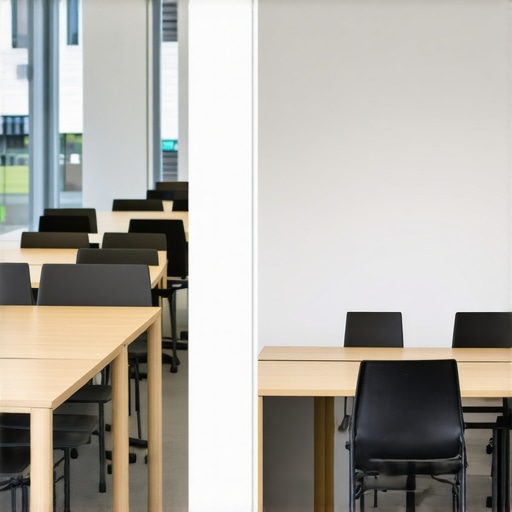
It was a typical Thursday afternoon when I realized something was off. Our startup’s shared workspace had always been vibrant and buzzing, but lately, that energy seemed tangled in distractions—loud phone calls, noisy chatters, and an ever-present background hum that made focusing feel like a chore. Despite generous perks like free coffee and snacks, productivity was slipping, and I couldn’t shake the feeling that we were missing a crucial element in our workspace design.
Figuring Out What Truly Drives Focus and Collaboration
As entrepreneurs, we often chase the shiny objects—free snacks, open layouts, collaboration zones—believing these features will naturally foster innovation. But the reality is more nuanced. No matter how many free lunches or flexible policies we implement, if the environment isn’t conducive to deep work, progress stalls. That led me to question: Are we prioritizing the right amenities?
One thing I learned early on is that free perks can become distractions rather than benefits. An internal study from a coworking space in San Francisco revealed that offering free snacks and drinks didn’t significantly boost productivity; instead, it often encouraged socializing at the expense of work time. That was an eye-opener, but it also made me realize that investing in personal space—private desks—might be a better route to sustained focus.
Is Sacrificing Free Lunches Really Worth It?
Many founders fear that eliminating perks like free lunches will alienate staff or reduce job satisfaction. But from my experience, providing dedicated, private workspaces has had a more profound impact on team morale than free snacks ever could. It’s about creating an environment where individuals feel valued and equipped to do their best work.
Early on, I mistakenly thought that more amenities meant a happier team. I overlooked the importance of privacy and quiet zones. As I’ve learned, a clutter-free, private desk helps reduce distractions and enhances concentration—benefits that truly matter in a startup environment.
If you’ve faced similar challenges or are contemplating how best to optimize your coworking space, keep reading. We’ll explore practical strategies and proven insights to help you create an environment that nurtures focus and fosters genuine collaboration. Want to start transforming your workspace today? Contact us for tailored advice.
Let’s dive into why shifting our focus from perks to personal space can be a game-changer for your team.
Design Purposeful Meeting Rooms That Spark Creativity
Start by defining the core function of each room. For brainstorming, opt for open, writable surfaces and flexible layouts. For confidential discussions, prioritize soundproofing and privacy. When I implemented this at our startup, I borrowed ideas from innovative meeting rooms and tailored them to our needs, which led to more focused sessions and increased innovative output.
Equip Rooms to Facilitate Seamless Collaboration
Invest in technology that aligns with your team’s workflow. Install high-quality video conferencing tools, smartboards, and fast Wi-Fi. I remember setup day; faced with tangled cables and outdated gear, we quickly realized the importance of modern tech to avoid frustrating delays. This echoes insights from maximizing conference room productivity.
Optimize Layouts for Flexibility and Focus
Use modular furniture that can be reconfigured easily for different meeting styles. For example, a piggyback of chairs and foldable tables allowed us to seamlessly switch from team huddles to client presentations. Remember, an adaptable space reduces downtime and increases utilization. For guidance, see transforming meeting rooms into collaboration hubs.
Implement Acoustic Treatments to Reduce Distractions
Sound leaks can ruin a virtual meeting. Use materials like acoustic panels or carpets strategically. At one point, I nailed a few panels myself after a quick tutorial—an inexpensive fix with a lasting impact, as outlined in bad acoustics solutions. Proper acoustics make your teams’ conversations clearer and meetings more productive.
Schedule Regular Room Assessments and Feedback
Solicit user feedback periodically and adapt accordingly. Our team started using a simple digital form, which highlighted recurring issues like poor lighting or uncomfortable chairs. Addressing these small concerns yielded measurable improvements in mood and engagement, aligning with practices from choosing the right conference space.
Leverage Analytics for Better Space Management
Track room usage patterns with software to identify underused areas or peak times. This data-driven approach helped us optimize reservation policies, preventing overlaps and ensuring availability when needed. For expert tips, visit meeting room management analytics.While many entrepreneurs focus on flashy amenities or trendy layouts, the real challenge lies beneath the surface: understanding the complex psychology and subtle nuances that influence how startup teams utilize and perceive their meeting spaces. One common myth is that larger, more high-tech rooms automatically boost productivity; in reality, over-designing can hinder natural collaboration and make team members feel overwhelmed or disconnected. A smaller, thoughtfully arranged space, attuned to your team’s specific needs, often results in more genuine interactions.
Here’s a critical nuance often missed: the importance of subconscious cues. Elements like lighting, acoustics, and furniture choices send powerful signals shaping behavior—yet many startups overlook these in favor of superficial upgrades. For example, bright, natural light has been shown to enhance mood and cognitive function—a fact supported by neuroscientific research from Harvard University—and can be a game-changer in fostering creative discussions. But beware of falling into the trap of over-automation; when meeting rooms are packed with gadgets, they can create barriers rather than bridges to communication.
Why do some high-tech conference rooms still fail to inspire? What advanced mistakes do startups tend to make in their meeting environments?
One prevalent mistake is neglecting the significance of privacy and psychological comfort. Even in open-plan coworking spaces, team members crave areas where they can engage in deep, focused discussions without feeling exposed or judged. Studies from the International Journal of Environmental Research suggest that privacy zones significantly reduce stress and increase overall productivity. Incorporate such insights by designing flexible spaces that allow for quick adaptation—think modular partitions or soundproof booths—rather than rigid, one-size-fits-all solutions.
Another subtle factor is the visual environment: cluttered or mismatched decor can subconsciously broadcast disorganization, undermining confidence in your startup’s professionalism. Conversely, a well-curated aesthetic with inspiring visuals can stimulate innovative thinking. Consider how the strategic use of colors, artwork, and materials can influence energy levels and team dynamics.
Don’t miss the importance of acoustics. Poor sound management isn’t just an annoyance; it can cause fatigue and miscommunication that slow projects down. Acoustic treatments, such as panels or carpets, are often overlooked but are essential in creating a conducive environment for clear conversations. For further guidance, see bad acoustics solutions.
In sum, mastering the subtleties of conference room design involves much more than selecting the latest tech or sleek furniture. It’s about tailoring the environment to your team’s subconscious needs and behaviors, fostering a space where creativity and focus are natural. Have you ever fallen into this trap? Let me know in the comments. Want expert advice tailored to your startup? Contact us today.Running a startup requires more than just great ideas; it demands reliable tools that keep your workspace running smoothly over time. One of my top recommendations is investing in a comprehensive room booking system like digital reservation software. I personally use RoomManager, which not only simplifies scheduling but also provides valuable analytics on room utilization, helping us identify underused spaces and optimize their availability. Regularly reviewing these analytics ensures your conference rooms serve your team’s evolving needs and prevent bottlenecks, a tactic supported by industry experts. Additionally, implementing high-quality audio-visual equipment has been pivotal. I rely on Logitech Rally webcams and Jabra speakers for crystal-clear communication during remote meetings, preventing the frustration caused by poor audio quality, a common pitfall in many startups, as discussed in this article on coworking vibes. To maintain these tools effectively, establish a routine checkup schedule—monthly inspections, firmware updates, and quick troubleshooting guides. This proactive approach prevents minor glitches from snowballing into costly downtime. Looking ahead, I predict that AI-driven management tools will take center stage, automating routine maintenance and space optimization tasks. Embracing these innovations early can give your startup a competitive edge. Need personalized advice on selecting tools that scale with your team? Contact us, and let’s tailor a solution that keeps your workspace productive long-term. Remember, the key to sustained efficiency lies not only in choosing the right tools but also in maintaining them diligently, ensuring your environment remains conducive to innovation and growth.
Throughout my journey optimizing startup environments, I’ve uncovered that the most subtle factors often wield the greatest influence on productivity and collaboration. Investing in privacy and acoustics isn’t glamorous, but it transforms how teams communicate. Remember, a well-designed conference room doesn’t just impress clients—it fosters genuine innovation. The real secret lies in tailoring spaces to subconscious cues—lighting, decor, sound—that subtly guide behavior and morale.
What I Wish I Had Known Earlier About Meeting Space Magic
- Small details matter more than high-tech gadgets. Early on, I believed flashy tech would be the game-changer. Turns out, simple acoustic treatments or natural lighting often deliver more impactful results. Don’t underestimate the power of environment over equipment.
- Privacy isn’t a luxury—it’s a necessity. Cutting corners on soundproofing led to chaotic calls and stressed team members. Investing in flexible privacy zones can boost focus and reduce stress, even in open-plan setups. Studies confirm this enhances overall productivity.
- Visual cues influence team culture. The decor, lighting, and layout broadcast values and expectations. A clutter-free, inspiring space signals professionalism and stimulates creativity. Curate your environment intentionally.
- Data-driven space management saves time and resources. Utilizing analytics for room usage uncovers patterns, helping optimize bookings and reduce waste. When I started tracking usage, our space became more efficient and adaptable to team needs.
- Subconscious signals shape behavior more than you think. Bright light, calming colors, and organized spaces encourage positive interactions. It’s about creating an environment where focus and collaboration feel natural—not forced.
Tools and insights that transformed my approach
- Innovative meeting room ideas showed me how adaptable layouts inspire innovation. Customizing rooms based on their purpose ignites creative sparks.
- Implementing digital reservation systems streamlined scheduling and provided valuable usage data, leading to smarter space planning.
- Using acoustic treatments made every call clearer and less stressful—simple fixes with lasting impact.
- Curating decor with visual inspiration boosted motivation and set subtle cultural signals for success.
Step Into Your Next Workspace Transformation
Embracing the nuanced truths about conference room and coworking design has reshaped my startup’s trajectory. Your environment isn’t just a backdrop—it’s an active, silent partner in your success. Experiment boldly, listen to your team, and let environment design serve your vision. Start small: tweak lighting, add soundproofing, or analyze room usage. Progressively, these little shifts accumulate into a workspace that fuels innovation and growth. Ready to redefine your startup’s space? Connect with us for personalized guidance and resources. Remember, transforming your environment might just be the most strategic move you make today.