
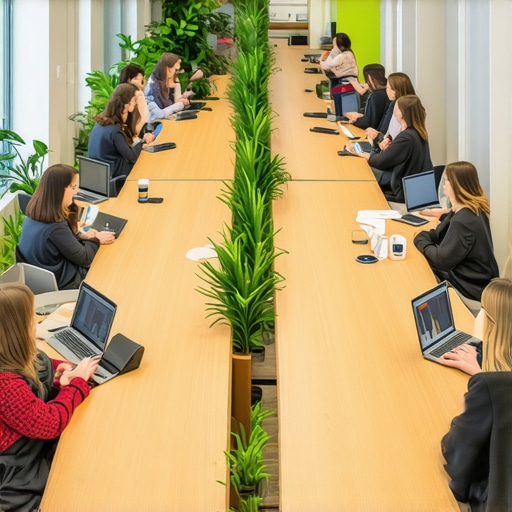
I remember a morning when I walked into my old office, expecting the usual routine. Instead, I was greeted by an almost empty room, the hum of a forgotten air conditioner, and a sense that something was missing. It hit me then—my team’s connection to that space was fading faster than I had realized. That lightbulb moment made me question the very purpose of traditional office spaces.
Why More Startups Are Ditching Conventional Offices for Coworking Spaces
For years, I believed having a fixed office was synonymous with stability and professionalism. But as my startup grew, I started noticing something: my team seemed more energized, flexible, and engaged when we utilized coworking environments. These spaces offered more than just desks—they fostered spontaneous collaboration, creativity, and a sense of community that a static office couldn’t replicate. According to a recent report, over 70% of startups now prefer coworking spaces for their agility and community advantages, signaling a major shift in how we view traditional work environments. If you’ve felt the constraints of a stuffy office or the isolation of remote work, you’re not alone.
Is the Buzz About Coworking Spaces Overhyped?
Early on, I made the mistake of assuming coworking was just a passing trend. I thought, “Why pay for something I can set up at home or in a coffee shop?” That was my biggest mistake. I underestimated the power of a dedicated professional environment to boost focus and networking opportunities. Want to know how I turned these spaces into real assets for my startup? Learn more about maximizing productivity in coworking conference rooms. If you’re wondering whether this approach can work for you, I invite you to explore the tangible benefits coworking offers over traditional offices.
Are you facing the challenge of keeping your team motivated and connected in a rigid office setting? Or perhaps you’ve already dipped your toes into coworking and want to unlock its full potential? Either way, understanding the real reasons behind this shift can transform how you approach your workspace strategy. Let’s dive deeper into what makes coworking spaces not just a trend, but a smart choice for startups ready to grow and innovate beyond old boundaries.
.
Secure the Right Space Quickly and Efficiently
Start by identifying coworking spaces that align with your startup’s needs. Use online platforms like these guidelines to vet options quickly. When I needed a space for our product demo, I contacted several providers via their online forms, explaining our urgency and specific requirements—within hours, I had multiple options. This direct approach saved us days of back-and-forth and helped secure a perfect meeting room for our pitch.
Choose Conference Rooms That Elevate Your Brand
Select rooms that match your startup’s tone and project professionalism. Use these tips to evaluate environments. I once booked a sleek, modern conference room that immediately impressed potential investors, resulting in a more confident presentation. Remember, a well-chosen space can act as a silent ambassador for your brand and set the tone for successful meetings.
Optimize Conference Room Setup for Maximum Productivity
Invest time in configuring the space for your specific needs. Use these strategies to enhance the environment. I suggest arranging furniture to facilitate interaction, testing tech setups beforehand, and ensuring all materials are prepared. During a crucial client meeting, we faced a late technical glitch—but pre-testing helped us quickly adapt, demonstrating professionalism and resilience despite the initial hiccup.
Leverage Creative Meeting Spaces to Spark Innovation
Transform the standard meeting room into a hub of collaboration. Check out these examples of innovative space utilization. I once hosted a brainstorming session in a more informal, lounge-like area, which made the team more relaxed and open to sharing ideas—leading to a breakthrough in our product features. Think about incorporating whiteboards, flexible seating, and inspiring decor to boost creativity.
Implement Tech and Security Measures for Smooth Operations
Ensure your conference room is equipped with reliable tech infrastructure. Use these tips to safeguard your data. We once experienced a connectivity hiccup during a demo, but established protocols and backup plans allowed us to continue seamlessly. Regularly update passwords, block unauthorized access, and verify internet stability to avoid disruptions that could undermine your credibility.
Build a Network with Fellow Coworkers
Maximize opportunities by engaging with the coworking community. Use these methods for effective networking. I found that casual conversations during coffee breaks led to a strategic partnership, significantly accelerating our growth. Remember, these spaces are fertile ground for collaboration and mentorship—don’t overlook the value of building genuine relationships.
Create a Routine for Regular, Purposeful Meetings
Establish consistent schedules for your team to meet in the coworking environment. Use these checklists to set up effective policies. I implemented weekly stand-ups in the space, which improved communication and kept everyone aligned. Stick to this routine to instill discipline, foster transparency, and keep momentum high.
Evaluate and Adjust Your Coworking Strategy
Continuously review your usage and adapt to changes. Refer to these insights for emerging trends. After a few months, I noticed that our needs shifted—requiring quieter zones for focused work. We negotiated with our space provider to allocate a dedicated quiet corner, which boosted individual productivity. Regular feedback sessions help fine-tune your workspace approach.
Many entrepreneurs believe that choosing the right coworking space or conference room is straightforward—pick a location, rent a seat, and you’re set. However, this oversimplification masks critical nuances that can make or break your startup’s growth. Let’s dig deeper into what most people get wrong about these spaces and how to avoid common pitfalls. One misconception is that a fancy, high-end venue guarantees productivity, but in reality, the environment’s vibe, acoustics, and even lighting can significantly influence your team’s focus and creativity. For example, poor soundproofing can lead to distractions, hampering sensitive discussions or deep work sessions. According to a study by Harvard Business Review, environmental noise in open-plan spaces can reduce focus by up to 66%, emphasizing the importance of choosing spaces with proper acoustics. This nuance often goes unnoticed because many founders focus solely on location or amenities rather than functionality.
Another trap is assuming that conference rooms are a one-size-fits-all solution. In truth, different meeting types demand different setups. For instance, a pitch to investors benefits from a sleek, professional setting, whereas an internal brainstorm may thrive in a more casual, flexible environment. Failing to match room design to meeting purpose leads to subpar interactions. Check out these strategies for selecting and configuring spaces that optimize your meeting’s impact.
Now, let’s address a frequently overlooked aspect—the myth that larger, more luxurious spaces are always better. In my experience, overcrowded or overly opulent venues can stifle intimacy and open communication. For example, a massive conference room might distance team members, reducing engagement, especially during creative sessions. Conversely, spaces that foster proximity encourage spontaneous interactions, boosting innovation. Carefully consider the size and atmosphere to ensure it aligns with your team’s dynamics.
What about assuming that tech setup is a minor detail? This is a sneaky mistake. Technical glitches during a critical pitch or demo can destroy credibility. Investing in reliable internet, proper audio-visual equipment, and testing these tools beforehand is essential. As I learned from these insights, failure to plan for tech contingencies leads to avoidable setbacks. Remember, every second of hesitation during a high-stakes meeting can misfire your pitch or undermine client trust.
Finally, many overlook the importance of understanding the community aspect of coworking spaces. These environments are corridors of networking, knowledge exchange, and collaboration, but only if you actively participate. Misjudging the social atmosphere or choosing a space that doesn’t match your culture can leave your team isolated. Engage with fellow tenants or attend events—these interactions can unveil hidden opportunities and partnerships.
Have you ever fallen into this trap? Let me know in the comments. Avoiding these pitfalls means committing not just to the right location but to the right environment and practices that support your startup’s unique needs. By paying attention to these nuanced factors, you can turn a simple space rental into a strategic advantage—amplifying your growth trajectory.Managing conference rooms and coworking spaces effectively requires the right set of tools that streamline booking, enhance collaboration, and maintain consistent quality over time. As someone who’s experimented extensively with various solutions, I can confidently recommend specific systems that keep your operations smooth and your team focused. For instance, digital booking platforms like this guide have transformed how I reserve spaces, eliminating double bookings and reducing admin overhead. To maintain these tools’ effectiveness, regular training and system audits are essential—think of it as routine maintenance for your tech stack.
Automation plays a crucial role in sustaining productivity. Integrate room booking with calendar apps such as Google Calendar or Outlook, which I do, to automatically update availability and send reminders. For ongoing device management, I rely on remote monitoring solutions like these security tools to ensure Wi-Fi and hardware remain secure and operational. Regular firmware updates and security patches are non-negotiable—protocols I adhere to rigorously—based on insights from network security expert Dan Kaminsky.
Another game-changer is adopting collaborative software like Miro or MURAL for workshops and brainstorming sessions. These tools keep your team engaged and visually aligned, no matter where they are. For long-term results, I schedule quarterly reviews of your tech setup and gather feedback from team members to identify pain points or opportunities for upgrades.
Predicting future trends, I believe AI-driven analytics will soon provide real-time insights into space utilization and meeting effectiveness—helping you optimize resources proactively. Embracing automation and data-driven decision-making now not only boosts efficiency but prepares you for these upcoming advancements.
**How do I maintain my tools over time?** The key lies in consistent updates, routine audits, and fostering a culture where team members feel responsible for reporting issues early. A simple step like setting calendar reminders for system checks or subscribing to software update alerts can prevent minor hiccups from turning into major disruptions.
To elevate your coworking and conferencing experience, consider implementing these tools and practices diligently. For example, proactively integrating remote device management can save you hours of troubleshooting and safeguard sensitive information. I encourage you to try out one of these advanced techniques—like linking your booking system directly with your calendar—to see immediate improvements. If you’re ready to refine your meeting space management further, reach out here for personalized advice on creating an optimized environment that scales with your startup’s growth.Throughout my journey helping startups optimize their workspace, I’ve encountered more surprises than I expected. One lesson that stands out is how overlooked details can make or break your team’s productivity in coworking environments. The smallest adjustments—like acoustics or lighting—can elevate a space from merely functional to truly inspiring. Additionally, I learned that fostering genuine relationships within these shared environments often yields more long-term value than any fancy amenity. Embracing the messiness and unpredictability of coworking spaces has taught me to stay adaptable, always seeking innovative ways to leverage these environments to fuel growth. These personal insights remind us that, beyond spreadsheets and checklists, real understanding comes from hands-on experience and a willingness to experiment.