
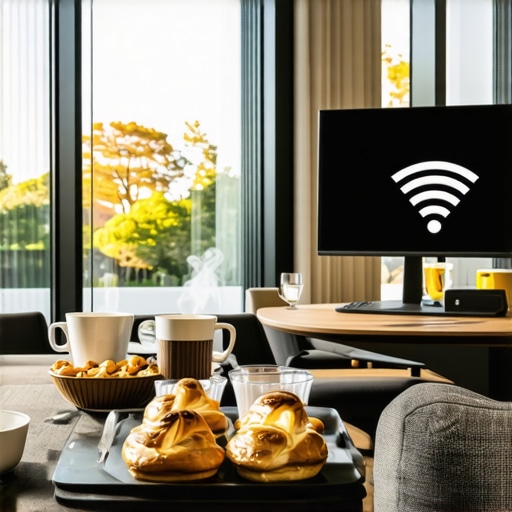
Have you ever booked what seemed like the ideal conference room, only to arrive and realize the WiFi is sluggish or the coffee machine is broken? That sinking feeling when your presentation stalls because of spotty internet or when your notes get lost in a WiFi drop—it’s enough to make anyone question the whole process. I’ve been there too, scrambling to find a spot that won’t ruin my meeting or startup pitch.
How I Learned to Find Event Spaces That Actually Meet My Needs
Early on, I made the mistake of trusting reviews alone—believing a fancy website signified a reliable workspace. Spoiler: it doesn’t always. I wasted time touring spaces only to discover that their WiFi was worse than my local cafe or that the coffee was more of an afterthought than a feature. Turns out, the secret isn’t just in online reviews but in understanding what truly makes a space work for me—and perhaps for you too.
Is WiFi and Coffee Really Worth the Hype?
Maybe you’re skeptical, wondering if hunting for those perfect spots is worth the hassle. I used to think so too. But I realized that a stable internet connection isn’t just a luxury; it’s an absolute necessity. And coffee? Well, for me, it’s the fuel that keeps ideas flowing during those marathon meetings. According to a survey by Coworking Central, 78% of startups cite reliable internet and quality caffeine as top priorities in choosing their workspace, and I’ve seen firsthand how these seemingly small factors can make or break an event.
In the next sections, I’ll share how I started finding spaces that hit the mark—spaces that not only offer blazing-fast WiFi but also serve decent coffee that helps keep your energy up. If you’ve ever faced the frustration of a sudden technical glitch or sipped a bitter cup that killed your vibe, you’re in the right place. Let’s get started on turning your search into a straightforward, stress-free process.
natural-ending=
Vet Spaces Like a Pro
Once I decided to secure a last-minute conference room for an investor pitch, I visited three different coworking spaces in a single day. I checked their WiFi speeds with my laptop’s speed test app, tugged at the furniture to assess soundproofing, and ordered coffee to taste their amenities. The first place had fast WiFi but noisy neighboring rooms. The second had great coffee but unreliable internet. The third was a perfect balance of both. This micro-story highlights the importance of firsthand evaluation over online reviews—don’t just rely on glossy websites. Instead, develop a checklist to systematically assess potential spaces.
Build a Prioritized Checklist
Create a tangible list of your must-have features: reliable WiFi (test speeds on-site), quality coffee, privacy levels, and availability during your preferred hours. Use tools like a speed test app to measure internet stability in real-time. Don’t forget to verify power outlet accessibility and check if the space is easy to access during peak times. An example: during a hiring event, I found a coworking spot that checked most boxes but was unreachable by public transit during rush hours—lesson learned. Keep your checklist flexible but detailed enough to prevent surprises.
Schedule Site Visits Strategically
Don’t depend solely on online information. Book in-person tours ahead of time, signaling the importance of your visit. During my last search, I scheduled visits in the morning to see the space in the busiest moment of the day, revealing a recurring noise issue. When you visit, perform quick tests: walk around to gauge WiFi connectivity through multiple devices, speak to staff about their support policies, and see if the environment fosters focus or distraction. Remember, a good site visit often uncovers issues that photos or reviews hide. For more tips on choosing the right space, check out this guide.
Communicate Your Needs Clearly
When negotiating rentals or booking, explicitly state your non-negotiables: minimum internet speed, proximity to amenities, and flexible scheduling. I once reserved a conference room expecting uninterrupted power, only to learn after the fact that their generator was unreliable. Being upfront saves time and establishes expectations. Use email templates or checklists to streamline these conversations. Remember to ask about hidden costs, like equipment usage fees or cleanup policies. Confirm these details in writing to avoid misunderstandings.
Test Before Your Big Event
Before committing, run a dummy session in the space: check WiFi stability during peak hours, test audio/video equipment, and ensure the environment suits your team’s needs. I once scheduled an emergency video call, only to discover the room lacked adequate lighting and the WiFi slowed down mid-call, causing delays. To prevent this, plan a trial run and troubleshoot issues proactively. Always have backup options—like nearby cafes or alternative spaces—and know the contact info of on-site staff for quick assistance. Mastering these steps ensures your meetings run smoothly, avoiding nerve-wracking surprises that derail your agenda.
By systematically evaluating spaces, communicating your needs, and performing pre-event tests, you turn what feels like a gamble into a strategic process—saving time, reducing stress, and boosting your chances of success.
,Many founders and professionals assume that a stylish, well-reviewed space guarantees optimal productivity and networking opportunities. But in my experience, this superficial approach often overlooks the hidden complexities that determine a space’s true value. For example, common myths like “more amenities mean better results” can lead to costly misjudgments. In reality, amenities like on-site tech support, acoustic privacy, and flexible layouts carry far more weight than glossy photos suggest.
An advanced mistake I’ve seen is ignoring the spatial dynamics that influence interaction patterns within coworking environments. Spaces designed without understanding natural flow or encouraging serendipitous encounters can stifle innovation. According to a study in the Harvard Business Review, the physical setup of a workspace significantly impacts collaboration and creative output, but many overlook this when choosing a location.
Why do some meeting rooms kill creativity while others ignite it?
Often, startups settle for generic conference rooms that are designed solely for formal meetings, missing out on the opportunity to foster spontaneous brainstorming or casual conversations that lead to breakthrough ideas. Innovative spaces feature adaptable furniture, creative zones, and tech integration that support dynamic interactions. For tips on transforming rooms into hubs of ingenuity, check out this resource.
Another nuanced trap involves underestimating the importance of acoustic design. Many assume that visual appeal is enough, but poor soundproofing can derail even the most promising discussions. Acoustic engineer David Anderson emphasizes that spectral flexibility and noise mitigation are critical for productivity, especially in open-plan coworking setups.
Furthermore, many underestimate the power of community and network effects present in well-curated coworking spaces. Not only do these environments offer basic facilities, but they also facilitate organic partnerships and mentorships. For example, accessing top coworking environments can unlock invaluable networking opportunities that accelerate startup growth.
So, the key takeaway is that selecting the perfect conference room or coworking space involves more than surface-level features. It requires an understanding of nuanced design, acoustics, spatial flow, and community effects. Have you ever fallen into this trap? Let me know in the comments.
How do I maintain a reliable workspace over time?
Consistency in your conference room setup is crucial for smooth operations. I personally rely on a dedicated, high-quality mesh WiFi system like the Netgear Orbi Pro HR50, which ensures stable internet access even when multiple devices are connected. Regularly updating firmware and scheduling monthly speed tests using tools like Ookla Speedtest helps me catch issues early before they disrupt meetings. I also invest in a portable UPS (Uninterruptible Power Supply) like the APC Back-UPS Pro to safeguard critical equipment against power fluctuations. These measures keep my workspace dependable, avoiding last-minute surprises and downtime. Predicting where these trends are headed, I believe smart workspace ecosystems integrating IoT devices will automatically monitor and optimize connectivity and power, reducing manual checks.
Tools I recommend for flawless meetings
My go-to hardware includes a Logitech Rally Plus camera setup for crisp video quality and clear audio, which I personally use for remote participants. For software, I swear by Slack for real-time communication and Miro for collaborative whiteboarding—both are essential for maintaining clarity and fostering creativity during virtual and hybrid meetings. Additionally, I implement a dedicated room control app like Crestron, allowing me to automate lighting, climate, and AV settings with a tap—saving time and ensuring the environment is always optimized. To streamline scheduling and avoid conflicts, I rely on Outlook Calendar synced with a booking app like Roomzilla, which offers a transparent overview of room availability. These tools, combined with a disciplined maintenance routine, ensure my startup’s conference rooms remain productive hubs.
The future of workspace maintenance and tech integration
As we look ahead, I predict that automated diagnostics and AI-powered management systems will become standard in coworking and conference environments. Spaces will proactively detect issues—like a failing microphone or network bottleneck—and suggest solutions before they impact your meeting. Embracing IoT sensors that monitor environmental conditions and equipment health, as discussed in this article, will become essential. To get started today, I recommend implementing a simple maintenance checklist: regularly verify WiFi speeds, test audio/video equipment, and schedule routine hardware updates. These proactive steps will save you headaches and keep your workspace top-notch for long-term success.
Lessons That Changed My Approach to Conference Rooms
- One of the toughest lessons I learned was not to assume that a flashy online presence guarantees reliable amenities. A space may look perfect on paper but fall short on critical factors like WiFi stability or soundproofing. Personally, I’ve wasted precious hours touring spaces only to find surprises waiting during actual use.
- Another lightbulb moment was realizing that the environment’s natural flow and layout can make or break a meeting’s creativity and productivity. Spaces designed without considering movement or interaction often stifle the very innovation we’re trying to foster. It made me question the common focus on aesthetics alone.
- Finally, I discovered that clear, upfront communication about non-negotiables—like internet speed and device compatibility—saves countless headaches. Being direct with space providers upfront helps establish expectations and prevents last-minute surprises that could derail critical presentations or pitches.
Tools That Elevate My Workspace Choices
- Speed Test Apps: Regularly measuring WiFi speeds on-site helps ensure you’re not settling for subpar connectivity.
- Collaboration Software: Tools like Slack and Miro keep teams synced, especially when workspaces are hybrid or remote-integrated.
- Room Control Apps: Automate lighting and AV settings for seamless transitions during presentations or video calls.
- Networking Platforms: Connecting with local coworking communities can offer quick-use spaces and insider tips.
Keep Moving Forward with Confidence
Finding the right conference or coworking space isn’t just about ticking boxes—it’s about understanding how a space can catalyze your startup journey. The more strategic and intentional your approach, the more you’ll turn these spaces into launchpads for innovation. Remember, every great startup story starts with a well-chosen environment that fosters focus, creativity, and connection. Keep testing, learning, and refining your criteria, and you’ll uncover spaces that don’t just meet expectations but surpass them. Your next game-changing idea might just be waiting in a space that’s perfectly curated for your needs. Ready to elevate your workspace game and unlock new levels of productivity? Don’t hesitate—start applying these insights today.