
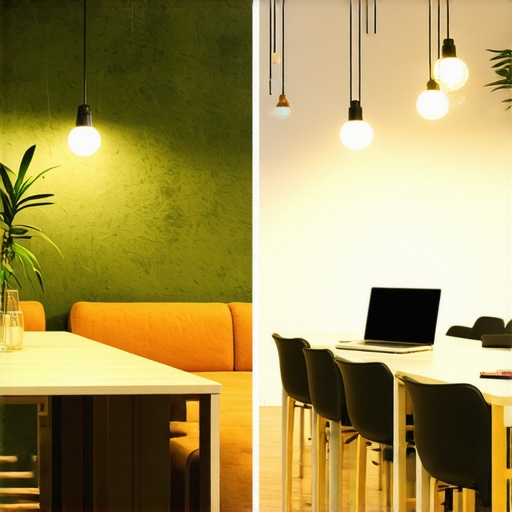
It was a typical Wednesday morning when I walked into a global coworking chain for a meeting, only to find the conference room booked for the third time that week. Frustration bubbled up—I had booked days in advance, yet still ended up squeezing into a tiny corner with inadequate lighting and no privacy. That’s when I had my lightbulb moment: corporate-branded coworking spaces might be convenient, but they often overlook what truly helps startups thrive. Over time, I discovered that boutique coworking environments actually unlock a wealth of hidden perks that fuel creativity, foster genuine connections, and adapt to the needs of emerging companies.
Discovering the Unique Power of Boutique Coworking Spaces
Unlike their global counterparts, boutique coworking spaces tend to prioritize community, flexibility, and a personalized touch. They know that startups require more than just a desk—they need a space that adapts to their evolving needs, offers opportunities for meaningful networking, and provides an environment where they feel comfortable to innovate. For example, many boutique spaces incorporate modern design elements that boost productivity and creativity—something that cookie-cutter offices often lack.
A study by Deskmag suggests that coworking environments with a sense of community significantly contribute to increased collaboration and growth. Yet, early on, I made the mistake of assuming that any shared workspace would do. I signed a lease with a big franchise, only to realize that rigid policies and generic amenities stifled our team’s potential. Smaller, local spaces offered a level of care and customization that was absent elsewhere. They understand the startup ecosystem intimately, and their flexibility often translates into better alignment with your company’s goals.
Have you ever felt that the standard coworking spaces just don’t get your startup’s vibe? If so, you’re not alone. Many founders overlook the subtle yet impactful benefits that boutique environments can offer, simply because they don’t realize what’s missing until they experience it firsthand. Next, let’s explore how these spaces can actually level up your team’s productivity and networking game.
Schedule Visits with Precision
Start by narrowing down your options to local boutique coworking spaces that align with your startup’s vibe and needs. Reach out directly through their contact page and inquire about tour availability. When visiting, treat it like a product demo—assess the space’s flexibility, amenities, and community culture. Share your startup’s goals with the manager to see if they can tailor offerings to support your growth.
Evaluate Tech Infrastructure and Meeting Spaces
Take a close look at the technical setup—Wi-Fi speeds, power outlets, AV equipment—and ensure they meet your daily demands. Ask to see a sample conference room in action; check lighting, acoustics, and screen quality. Remember, a high-quality meeting space can turn a boring pitch into a memorable one. For tips on optimizing your tech setup, visit this guide.
Test Drive the Environment During Peak Hours
Visit during busy times to experience real acoustics and noise levels. Notice if the space fosters spontaneous collaboration or if it feels chaotic. If you’re planning frequent client meetings, observe how discreet or private the spaces remain. An environment that balances openness with privacy can boost team bonding without sacrificing confidentiality.
Assess Community and Networking Opportunities
Engage with current members to gauge whether the community is active and supportive. Ask about organized events or mentorship programs. These opportunities can be vital for networking and future funding rounds. For insights on leveraging coworking communities, see this resource.
Test Booking and Accessibility Protocols
Try reserving a meeting room for an impromptu session to evaluate the ease of the process. Clarify security and access rules—do you need keycards or reception checks? A seamless booking process saves your team time and prevents frustration. Also, confirm parking facilities and accessibility options—these factors impact daily operations.

Putting your startup into the right space is more than just choosing a room; it’s about ensuring the environment catalyzes your growth. Once you’ve verified all logistical and community aspects, make an informed decision that propels your startup forward.
,Many entrepreneurs believe that simply reserving a meeting space guarantees successful collaboration. However, this approach often overlooks subtle nuances that can make or break your startup’s growth. A common myth is that all conference rooms are created equal—what startups truly need is a space adaptable to their unique demands. In reality, many overlook the importance of customizing meeting environments to fit specific objectives, whether it’s pitching investors or brainstorming product features. Furthermore, there’s a dangerous trap in equating high-tech equipment with productivity; technology is only effective when paired with strategic planning. For instance, choosing a room with poor acoustics or inadequate lighting can diminish your team’s focus, regardless of how advanced your AV setup is. Experts like physicist and productivity researcher Dr. Oliver DeMille emphasize that physical environment plays a crucial role in cognitive performance, especially for high-stakes startup activities. Don’t fall into the misconception that any conference room will do—your environment should be a strategic asset, not just a backdrop. Have you ever fallen into this trap? Let me know in the comments. Focus on optimizing your space—not just for comfort but to drive meaningful outcomes. For insights on creating high-impact meeting environments, check out the resource on the future of conference rooms in startup ecosystems. Remember, mastering the nuances of your meeting spaces can be a game-changer in your journey to startup success.Managing a successful startup’s meeting environments isn’t just about choosing the right space; it’s about maintaining and optimizing your tools and processes over time to ensure continued efficiency and productivity. My go-to approach involves integrating reliable hardware, smart software, and disciplined routines. First, I rely on high-definition conference room cameras like the Logitech Rally Series, which my team uses for crystal-clear video quality—crucial for engaging remote clients and team members in our coworking space. These cameras often come with adaptive framing and PTZ features, making sure everyone is visible without manual adjustments, which saves time and keeps interactions natural. Alongside hardware, I swear by scheduling tools like Calendly, integrated with our Slack workspace, to streamline booking processes and prevent double-bookings or conflicts, especially during peak hours. This combination ensures that our meeting flow remains uninterrupted and professional. For collaboration, I recommend tools like Miro for real-time brainstorming; we’ve adopted it because its infinite canvas and sticky notes mimic physical whiteboards but with the flexibility to document and revisit ideas. On the tech side, maintaining a robust Wi-Fi setup is non-negotiable—upgrading to enterprise-level mesh networks like Netgear Orbi ensures connectivity even during intensive data transfer or multiple device usage. Regular network audits, as suggested in technical guides like [Cisco’s network management resources](https://www.cisco.com/c/en/us/td/docs/solutions/Enterprise/Network_Services/TrustSec/TrustSec_QSG.html), help prevent bottlenecks that could derail meetings. Routine checks on equipment, firmware updates, and test runs before critical meetings are part of our standard operating procedure. Additionally, I employ digital signage—like info displays with integrated scheduling—to provide wayfinding and meeting updates at entrances, reducing confusion and missed bookings. Looking ahead, I see a shift toward AI-powered room management systems that can anticipate needs based on usage patterns, adjusting bookings or lighting automatically. This trend promises even more seamless experiences in coworking hubs and startup environments. How do I keep these tools effective long-term? The key is regular maintenance—video systems need firmware updates, Wi-Fi requires periodic speed tests, and scheduling apps should be reviewed monthly for efficiency. Building disciplined routines around hardware checks, user feedback, and staying updated on new tech innovations ensures our environments stick to their purpose of fostering innovation. I challenge you to try implementing a weekly equipment checklist or test run—this minor habit can prevent major disruptions. Remember, consistency in your maintenance routines guarantees your conference rooms remain a strategic asset, rather than a liability, in your startup journey. For a detailed guide on selecting the perfect conference equipment, visit this resource.
What No One Tells You About Selecting Meeting Spaces
One of the biggest revelations in my journey was realizing that choosing the right conference room isn’t just about size or tech specs—it’s about feeling the vibe and intention behind the space. I found that spaces designed with purpose foster trust and professionalism, which can significantly influence investor impressions and client confidence. This insight transformed the way I evaluate potential meeting environments, prioritizing ambiance and community support over purely functional features.
How Overlooking the Small Details Can Stall Your Startup
I learned the hard way that tiny inconveniences—like poor acoustics, bad lighting, or difficult booking systems—can sabotage even the best pitches. Paying attention to these nuances reminded me that a well-curated environment is an active participant in your success. Now, I always test drive spaces during peak hours and make sure every aspect, from Wi-Fi stability to privacy, aligns with my startup’s growth goals, which has saved us countless headaches.
Why Strategic Environment Maintenance Is a Game-Changer
Consistently updating hardware, streamlining booking, and fostering a community culture keeps your meeting environment a strategic asset. I found that routine maintenance and fostering relationships with space managers unlocks exclusive perks and tailor-made solutions, giving my team a competitive edge. This ongoing attention to detail has proven more valuable than one-off upgrades or flashy gadgets, underpinning our sustained productivity and innovation.
My Essential Toolkit for Elevating Startup Meeting Environments
- Logitech Rally Series Cameras: Reliable, high-quality visuals that keep remote attendees engaged, vital for investor calls.
- Calendly Integrated with Slack: Seamless scheduling that avoids conflicts and bottlenecks, ensuring smooth operations.
- Miro Whiteboard: Creativity unleashed during brainstorming sessions, mirroring in-person collaboration virtually.
- Mesh Wi-Fi Networks like Netgear Orbi: Rock-solid connectivity that keeps meetings flowing without lag or drops.
- Digital Signage Systems: Clear communications and scheduling updates that streamline room use and minimize confusion.
These tools, combined with disciplined routines, help keep my startup’s meeting environment sharp, efficient, and conducive to growth. I believe that investing in these essentials is akin to nurturing an invisible scaffolding that supports your scaling ambitions, making every meeting a step forward rather than a stumble.
Seize Your Next Sector of Success
Transforming your startup’s meeting environments from mere spaces into strategic assets is within your reach. It’s about more than just booking rooms—it’s about creating an ecosystem that amplifies your vision and accelerates your growth. Take deliberate steps today: visit local boutique spaces, evaluate every detail, and commit to ongoing maintenance and improvement. Your future success depends on the environment you cultivate now. Curious about the latest innovations shaping coworking and meeting spaces? Check out the future of conference rooms in startup ecosystems to stay ahead of the curve.