

I was standing in a drafty hallway, my phone screen mocking me with a spinning wheel of death, while a Tier-1 investor waited by the elevators. I had spent ten minutes trying to navigate a clunky portal that looked like it was designed in 1998, only to find out the room I wanted was double-booked. It was humiliating. I looked like a founder who couldn’t even manage a calendar, let alone a multi-million dollar startup. Since that disastrous afternoon, I’ve obsessed over perfecting the art of the quick reserve. I realized that investors prefer meeting in professional settings, but they have zero patience for technical hiccups before the pitch even starts. Today, I am going to share my personal workflow for securing a space in under a minute, so you can stop wrestling with apps and start focusing on your presentation. Have you ever felt that specific panic when a booking system fails right as your client walks through the door?
Ditch the Booking Anxiety for Good
For a long time, I made the amateur mistake of thinking that manual confirmation emails were the ‘safe’ way to handle things. I’d call the front desk, wait for a callback, and hope for the best. It was slow and unreliable. According to research from Harvard Business Review, the mere friction of scheduling can significantly decrease a team’s willingness to collaborate. You need a system that works at the speed of your thoughts. By vetting a conference room for client-facing speed ahead of time, you eliminate the guesswork. When you are in the middle of prepping for a high-stakes board meeting, the last thing you need is a 15-minute struggle with a reservation calendar. My goal is to get you from ‘we need to talk’ to ‘here is the room number’ in less time than it takes to pour a cup of coffee.
Is a sixty-second booking actually possible?
It sounds like a marketing gimmick, I know. You’re probably thinking about the times the Wi-Fi dropped or the app crashed. The truth is, speed isn’t just about the software; it’s about the preparation you do before you even open your phone. I learned this the hard way after losing a prime afternoon slot because I hadn’t updated my payment credentials. Now, I use a specific set of shortcuts that bypass the noise. We are going to look at the exact tools and habits that turn a frantic search into a three-tap process, ensuring you always have a glitch-free environment ready for your next big move.The first hurdle isn’t the calendar; it’s the checkout screen. I remember trying to close a seed-stage deal from a hub in Berlin. I found the perfect glass-walled suite, hit ‘confirm,’ and then spent four minutes hunting for my wallet because the app had logged me out and cleared my credit card data. By the time I entered the CVV, the room was gone. Now, I treat my booking app like a high-frequency trading platform. I ensure my digital wallet is synced and my profile is active. This isn’t just about convenience; it’s about ensuring is your coworking membership a tax-deductible expense is properly tracked through automated receipting. You can’t be fast if you’re digging through your backpack for plastic.
Set Up Your Digital Command Center First
Eliminate Payment Friction Once and For All
Most founders think they are ready until the spinning wheel of ‘Processing Payment’ kills their momentum. To hit that sixty-second mark, you must have your payment credentials cached on your device. Whether it’s Apple Pay, Google Wallet, or a saved corporate card, that checkout needs to be a one-tap experience. I’ve seen teams lose the ‘good’ room because they had to ask the CFO for a card number. If you are serious about growth, you should understand why we prefer hourly rentals for client meetings: they allow for agility, but only if you can execute the transaction instantly.
Shortlist Your Heavy Hitters
Don’t browse the whole building every time. Every workspace app has a ‘Favorites’ or ‘Recents’ tab. I keep exactly three rooms in my favorites: one large board room for pitches, one small pod for focus, and one medium space with great acoustics. This reduces the cognitive load of choosing. I once had a surprise visit from a potential next big hire while I was mid-lunch. Because my shortlist was already set, I didn’t have to compare square footage or pricing. I just tapped ‘Room 4B,’ confirmed, and met them at the door. 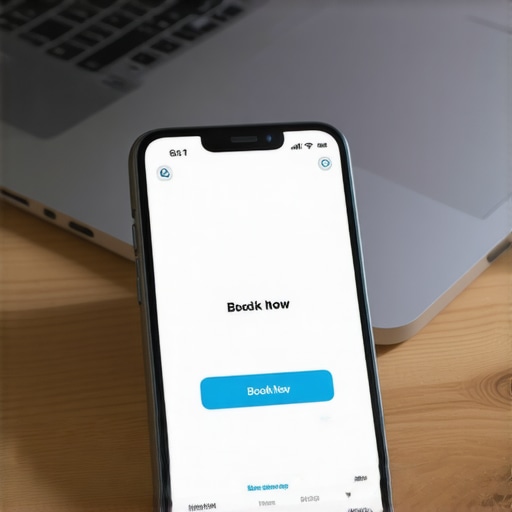
Run the Playbook When the Pressure Is On
Verify Connectivity Before You Commit
Speed is useless if the room is a dead zone. Part of my sixty-second routine includes a mental (or digital) check of the room’s capabilities. I never book a room for a demo unless I know I can test the Wi-Fi speed or have previously verified it doesn’t drop signals. I recall a workshop where we moved four times in one hour because the host hadn’t checked the dead zones. It’s why choosing the perfect conference room isn’t just about the furniture; it’s about the infrastructure behind the walls.
The Triple-Tap Method for Instant Access
Once your favorites are set and your payment is live, the process becomes mechanical. Tap one: Open the app. Tap two: Select favorite. Tap three: Confirm time. This method removes the ‘browsing’ phase where most people get stuck. I used this exact sequence last Tuesday when a client arrived twenty minutes early. While walking to the elevator, I secured a space, and the door code was in my inbox before the elevator doors opened. This level of responsiveness is what helps you in finding quiet corners for high-stakes sales calls without breaking a sweat or looking disorganized to your guest.
We often get blinded by the ‘startup aesthetic.’ You know the one: neon signs, exposed brick, and those ubiquitous glass-walled meeting rooms that look great on Instagram. But here is the contrarian truth I’ve learned after hundreds of hours in these hubs: the ‘coolest’ rooms are often the worst for your bottom line. I used to think that a glass-enclosed suite in the center of the floor signaled transparency and hustle. In reality, it signals a lack of focus. According to a study published in the Journal of Environmental Psychology, visual noise and the ‘goldfish bowl’ effect can reduce cognitive performance by up to 15% because your brain is constantly processing the movement outside the glass. This is exactly why your startup needs a real door, not just a glass wall when you are doing deep work or high-stakes negotiations.
Forget the Vibe and Focus on the Layout
Most founders choose a room based on square footage, but that’s a rookie mistake. The nuance lies in the geometry. I’ve sat in rectangular boardrooms where the person at the far end felt like they were in a different zip code, killing the energy of the pitch. I’ve since become obsessed with the hidden psychology of circular meeting tables because they dissolve the hierarchy and keep everyone engaged. If you are struggling to get your team to speak up, check your furniture before you check your culture. You might find that why your meeting room layout is killing participation is a hardware problem, not a software one.
Does your ‘all-inclusive’ membership actually drain your runway?
This is the ‘Oops’ factor most people ignore until their first quarterly audit. Those ‘free’ perks like beer taps, yoga classes, and networking mixers aren’t free; they are priced into your desk rate. I realized early on that why the all-inclusive membership is usually a trap is because you end up subsidizing amenities your engineering team never uses. We saved 20% on overhead just by switching to a more utilitarian space and booking premium rooms only when we actually needed them. 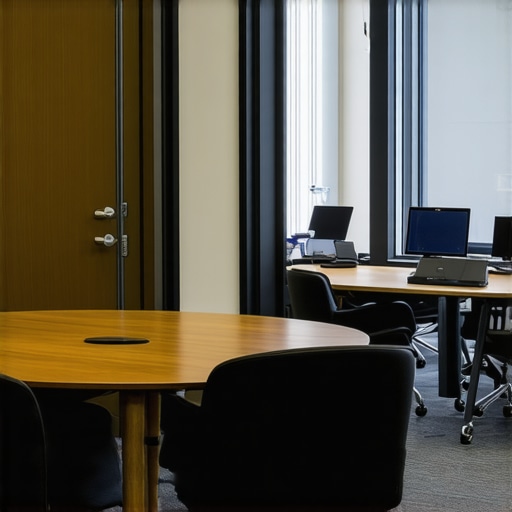
The Privacy Paradox in Modern Hubs
As these spaces become more crowded, why privacy is the new luxury in coworking becomes apparent. The biggest trap is thinking that an open-plan ‘innovation’ zone will lead to a breakthrough. It usually leads to headphones and Slack messages because nobody wants to be overheard. I’ve seen more innovation happen in a cramped, windowless ‘war room’ than in a thousand-square-foot open lounge. If you want to actually move the needle, stop looking for the best view and start looking for the best soundproofing. Have you ever fallen into the ‘cool office’ trap only to realize it was killing your productivity? Let me know in the comments.
Once you have mastered the sixty-second booking and avoided the ‘cool office’ trap, the real challenge begins: maintaining that efficiency as your team grows. I’ve seen dozens of founders burn out because they spent more time troubleshooting office logistics than building their product. To avoid this, I treat my physical workspace like a piece of software that requires regular updates and patches. This is essentially how to maximize productivity in your startups conference rooms without becoming a full-time facilities manager. I stopped relying on the building’s basic amenities and started bringing my own ‘performance layer’ to every meeting.
Keep the Gears Turning Without Burning Your Runway
Scaling doesn’t mean signing a ten-year lease the moment you hit ten employees. In fact, that’s usually a recipe for disaster. We maintained our agility by knowing exactly why we moved our engineering team to a private suite while keeping the sales team in the open-plan area. This hybrid approach allowed us to keep costs low while giving the devs the silence they need to ship code. If you find yourself constantly battling for quiet, it’s a sign your current setup is failing. You need to learn how to keep your focus when the coworking hub is packed, which often involves a mix of physical barriers and better digital hygiene.
How do I maintain my team’s focus in a shared space over time?
The secret is proactive maintenance. I perform a ‘tech audit’ of my favorite rooms once a month. I check the HDMI cables, test the upload speeds, and ensure my team knows how to deal with technical glitches during a remote board call before they happen. According to the Cisco Annual Internet Report (2020-2023), Wi-Fi 6 and 6E are becoming the standard for high-density environments, yet many coworking hubs still run on aging 802.11ac hardware. If the building’s infrastructure is lagging, I bring a high-gain Wi-Fi adapter to ensure I’m not the one dropping the call during a seed round pitch.
The Hardware I Never Leave Behind
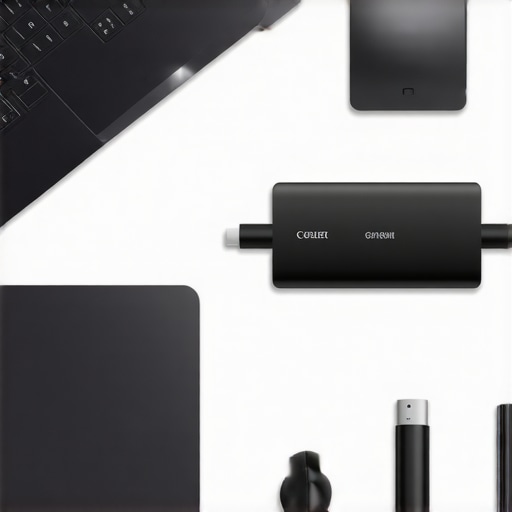
I don’t trust ‘included’ tech anymore. My bag always contains a dedicated USB-C hub with an Ethernet port, because a hardwired connection is the only way to guarantee zero lag during a demo. This is a critical habit for why endpoint protection services matter more when your team is hybrid; you need stable, secure connections that you control. I’ve also started using a portable LED light panel for video calls. Even the best conference rooms have terrible overhead lighting that makes you look like a tired ghost on Zoom. A $30 light panel can change how an investor perceives your energy levels.
AI Will Soon Choose Your Desk For You
Looking ahead, I predict that ‘smart’ workspace management will shift from simple booking to predictive AI scheduling. Within the next few years, your calendar will automatically analyze your meeting types and book rooms based on acoustics, lighting, and even the historical productivity of your team in specific layouts. We are moving toward a ‘frictionless’ era where the physical environment adapts to the human, not the other way around. CTA: Tomorrow, I want you to run a simple 30-second speed test in your favorite meeting room; if it’s under 50Mbps, ask the community manager about their Wi-Fi 6 upgrade plans before your next big presentation.
The Hard Truth About Those Flex-Space Perks That Distract You
After years of bouncing between hubs, I realized that the fluff is often a smokescreen for poor infrastructure. I spent months paying a premium for a gym I never used while my zoom calls dropped every ten minutes. Here is the reality check: an investor doesn’t care about your beanbag chairs; they care about whether you can run a seamless demo. I learned the hard way that 7 things investors look for in your physical workspace prioritize reliability over aesthetic. Another lightbulb moment was realizing that the real cost of a free coffee meeting is the lack of control over your environment. You lose the ability to secure sensitive data and project authority when you’re shouting over a milk steamer. Finally, never underestimate the power of a neutral ground; I’ve found that why a neutral meeting space leads to more honest feedback is because it removes the home-turf advantage that can make partners feel defensive.
My Personal Shortlist for High-Stakes Performance
I don’t leave my productivity to chance anymore. I rely on a few specific assets to ensure every session is a win. First, I always keep the exact lighting setup for professional video pitches in my bag, because you cannot trust the fluorescent hum of a standard office ceiling. Second, I’ve switched my team’s workflow to prioritize how to maximize productivity in your startups conference rooms by auditing our tech stack every thirty days. I also highly recommend keeping a physical Ethernet-to-USB-C adapter on hand. Even in the most innovative meeting rooms that boost startup creativity, wireless congestion is a real threat during peak hours. Relying on a hard line is the only way to ensure your seed round pitch doesn’t end with a frozen screen and a frustrated VC.
Take Back Your Most Valuable Resource
At the end of the day, your time is the only currency that truly matters in the early stages of a company. Every minute you spend wrestling with a booking app or apologizing for a laggy connection is a minute you aren’t building your product or talking to customers. By implementing a sixty-second booking habit and vetting your spaces for more than just ‘vibes,’ you are protecting your focus. You now have the startup success secrets choosing the perfect conference room requires to make a lasting impression. Go out there, secure your space with confidence, and let the environment serve your vision rather than hinder it. Efficiency is a muscle—the more you automate the logistics, the more energy you have for the innovation that actually changes the world. Have you ever lost a high-stakes meeting because of a technical glitch or a booking error? Let me know below.