

It happened again today. I was deep into a crucial meeting when suddenly my energy plummeted. My eyelids felt heavy, and the words on my screen blurred into one another. I knew exactly what was happening—I was hit by the infamous mid-afternoon energy slump, and it was knocking me off my game right in the heart of a busy coworking space. This all too familiar dip used to make me feel frustrated, thinking I just wasn’t managing my day well. But here’s the lightbulb moment: I realized this wasn’t just a personal failing; it was a strategic problem rooted in my environment and habits.
Why the Afternoon Crash Is More Than Just Tiredness
Ever felt like your brain just can’t keep up after lunch? You’re not imagining things. Studies show that our alertness naturally dips during the early-to-mid afternoon hours, often between 1 and 3 PM, due to the body’s circadian rhythms. In shared offices or coworking spaces, this challenge is amplified by distractions, noise, and sometimes, poor ergonomics. For startup founders and remote workers alike, these slumps can hit just when you need your focus the most.
I used to brush this off as a sign of laziness or lack of discipline. But I was making a crucial mistake: neglecting the environment’s role in my energy levels. Early on, I thought grabbing an extra cup of coffee would do the trick—until I realized that caffeine only masked the problem temporarily. The real solution was rethinking how I approached this daily rhythm, and trust me, small adjustments have made a world of difference.
Have you ever found yourself in that mid-afternoon fog, wishing you could hit a reset button without resorting to sugary snacks or crashing energy drinks? You’re not alone. Many of us face this challenge, and it doesn’t have to be a permanent struggle. In fact, I’ve discovered some effective strategies that can keep you energized and productive well into the late afternoon.
Before diving into those tips, though, it’s important to recognize the mistakes I made early on. I believed that my fatigue was simply inevitable—that I just had to power through or rely on caffeine to get by. That mindset kept me trapped in cycles of burnout and frustration. For more insights on optimizing your workspace to boost energy levels, check out this guide on maximizing productivity in coworking spaces. Now, let’s explore how to beat that stubborn slump once and for all.
Optimize Your Environment for Peak Energy
Begin by assessing your workspace: does it support sustained focus? Think of your coworking space as a greenhouse—adequate lighting, fresh air, and minimal distractions are essential for healthy growth. Remove visual clutter, ensure proper ventilation, and position your desk near natural light or good artificial lighting. I vividly recall rearranging my desk to face a window, which instantly made me feel more alert during that dreaded 2 PM slump, resulting in a noticeable boost in my afternoon productivity.
Strategic Micro-Breaks Boost Focus
Schedule short, intentional breaks every 25-30 minutes, using techniques like the Pomodoro Method. During these intervals, stand up, stretch, or walk around. This mimics how a sports coach pulls an athlete off the field for a quick rest, helping prevent fatigue. I once committed to a 3-minute stretch every quarter-hour and found my attention span doubled; I even introduced brief breathing exercises, which grounded me and reduced afternoon fog.
Nutrition and Hydration Play a Critical Role
Avoid heavy carbs at lunch that cause post-meal drowsiness. Instead, opt for protein-rich snacks, nuts, or vegetables. Keep a water bottle at your desk and sip regularly. I experimented with a small handful of almonds and a glass of cold water during my workday; over time, this stabilized my energy levels, preventing the classic energy crash. Think of your body as a hybrid car—fuel quality and regular refueling determine how smoothly you run.
Incorporate Physical Movement into Your Day
Leverage coworking spaces’ communal areas for brisk walks or quick bodyweight exercises. Like a well-tuned engine, your body needs movement to avoid stalling. I recall heading to a shared lounge, briskly walking or doing jumping jacks for 2 minutes before resuming work; that instant jolt revived my focus and cleared mental cobwebs. Scheduling movement breaks is akin to oiling your machine—preventing overheating and sluggishness.
Use Ambient Cues to Signal Work and Rest Periods
Create visual or auditory indicators: a specific playlist, a certain desk lamp, or visual cues that you associate with focused work or break time. For example, I used a color-coded notebook—when I opened the red notebook, I focused solely on high-priority tasks; switching to a blue one signaled a break. These cues serve as mental anchors, reinforcing productive habits and telling your brain, “Now, it’s work time,” or “Time to recharge.” Think of it as setting your mental thermostat to the right temperature for optimal performance.
Leverage Smart Scheduling to Maximize Peak Hours
Align critical, intensive work with your natural high-energy periods. Use calendar blocks to reserve prime times for important calls or deep work, especially before the midday slump hits. In my experience, booking vital meetings mid-morning or late afternoon, when I was more alert, helped me avoid the sluggishness. For coworking startups, consider adjusting your team’s schedules to leverage these natural rhythms, making the most of shared spaces designed for collaborative productivity. Check out tips on choosing the right workspace to maximize your focus.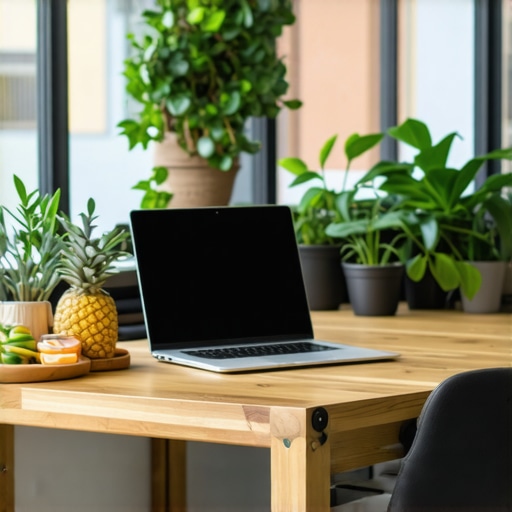 Many professionals assume that selecting any meeting room or coworking space is enough to foster productivity and collaboration. However, there’s a deeper layer of understanding most overlook. Contrary to popular belief, bigger rooms or high-end amenities don’t automatically translate to better outcomes. In fact, the real impact lies in the subtle dynamics of space design, atmosphere, and social cues. For example, a study published in the Journal of Environmental Psychology highlights how room acoustics and seating arrangements can influence team creativity and decision-making. If you’re not paying attention to these details, you might inadvertently impair your team’s synergy. A common myth is that open-concept spaces always boost communication, but in reality, they can also create noise distractions that hinder focus. To avoid falling into these pitfalls, consider how the room’s layout encourages or discourages certain behaviors, and tailor it to your startup’s specific needs. For leadership teams, understanding these nuances can be the difference between a workspace that inspires innovation and one that stifles it. Also, be cautious about what I call the ‘familiarity trap’—assuming that what worked before will always work. Every space has unique qualities, and adapting your approach is essential. For those aiming to create an environment that truly fosters growth, explore how innovative meeting rooms are being designed to unlock creativity, such as incorporating flexible furniture, soundproof zones, or visual storytelling tools. Dive into our resource on transforming meeting rooms into collaboration hubs. Remember, the way you utilize your physical space can significantly influence your startup’s success. Have you ever fallen into this trap? Let me know in the comments.Maintaining an efficient workspace, especially in dynamic environments like coworking hubs or conference rooms, requires the right set of tools and practices. I’ve personally found that investing in high-quality hardware and smart management software makes a tangible difference in long-term productivity. For instance, I rely heavily on the Logitech Rally series for video conferencing because of its exceptional auto-focus and echo cancellation features, which have eliminated many technical hiccups during remote meetings. Pairing such hardware with comprehensive scheduling apps like Calendly ensures my team never double-books or misses critical sessions, streamlining our daily operations.
One often-overlooked aspect is space management. Transitioning from manually updating whiteboards or spreadsheets to using digital room booking solutions like Robin has radically improved our resource allocation. These platforms sync directly with our calendars and provide real-time availability, helping us avoid conflicts and maximize room utilization. Plus, they often include analytics, which help us understand usage patterns and plan better for future growth.
Looking ahead, I predict that automation and AI-driven management will become standard in coworking environments, minimizing manual oversight and boosting adaptability. Tools that integrate seamlessly across devices and platforms will support a more flexible, scalable approach—crucial for startups that expect to grow fast and need their physical spaces to keep pace.
How do I maintain this setup over time?
Regularly updating firmware on your hardware, like video conferencing kits and smart booking systems, ensures features remain optimized and security patches are applied. Additionally, scheduling quarterly audits of space usage and technology performance helps identify inefficiencies or potential failures before they impact your operations. For example, I set reminders to review our hardware’s firmware every three months, preventing compatibility issues with evolving software. Building relationships with vendors for priority support or warranties guarantees quick resolution should issues arise. Investing in training for your staff on managing these tools ensures everyone remains confident and capable, preventing small glitches from escalating into larger disruptions. As the technology landscape evolves rapidly, staying informed through resources such as top coworking environment insights can guide your upgrade cycles and strategic planning. Don’t forget to experiment with emerging solutions—like integrating AI scheduling assistants—to see how they fit your specific needs and enhance your workspace’s efficiency. Ready to upgrade your meeting room toolkit? Start by testing one advanced feature—such as AI-based room optimization—and observe the improvements firsthand.Reflecting on my journey with meeting rooms and coworking spaces, I’ve learned that success often hinges on subtle factors few consider. Firstly, overlooking the psychological impact of room design can inadvertently diminish creativity; small tweaks like adjustable lighting or visual privacy can unlock your team’s innovative potential. Secondly, I discovered that rigid schedules for workspace usage can hinder adaptability—embracing flexible booking methods fosters spontaneous collaboration and boosts morale. Lastly, trusting intuition over trends has repeatedly saved me from costly mistakes; sometimes, the simplest environment adjustments make the biggest difference. If you’re eager to elevate your coworking environment, consider experimenting with these insights—sometimes, less is more in creating a space that truly accelerates your startup’s growth.