
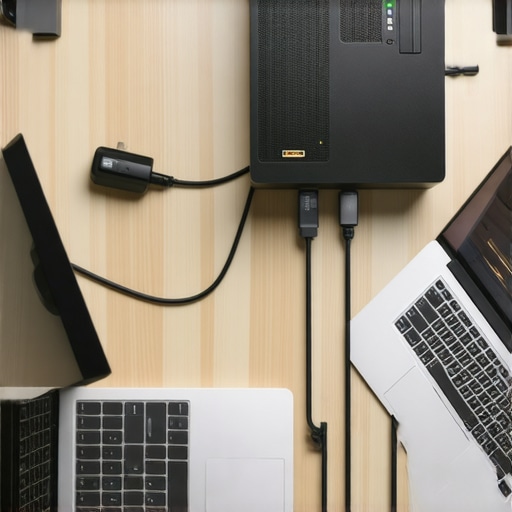
I remember the first time I tried building a local network from a hot desk. It was a chaotic morning—clattering keyboards, distracted conversations, and me, desperately trying to catch someone’s eye while juggling my laptop. It hit me then—this isn’t just about finding a quiet spot; it’s about creating meaningful connections in a sea of strangers. I realized that if I wanted my startup to thrive, I couldn’t just be a face in the crowd—I had to become a part of the community.
Why Building a Local Network Matters More Than Ever
In today’s fast-paced world, the value of face-to-face connections remains unmatched, even with all our digital tools at hand. For entrepreneurs and freelancers operating from hot desks, these fleeting moments of proximity can snowball into collaborations, mentorships, or even crucial client relationships. Yet, many miss out because they see coworking spaces as mere work zones instead of vibrant hubs of opportunity.
The truth is, your chance to turn an ordinary rental into a fertile ground for growth hinges on intentional engagement. When I started, I made the mistake of assuming that showing up was enough. Spoiler: It isn’t. You need to actively participate, listen, and contribute. Over time, I learned that even small gestures—like participating in communal events or offering insights—can transform casual chats into valuable partnerships.
Interestingly, studies show that 85% of jobs are filled through networking (source: LinkedIn), so why should building local ties in coworking spaces be any different? The potential is there; you just need the right approach.
Are you facing the challenge of connecting meaningfully in your coworking space? If so, don’t worry—there’s an approach that turns casual encounters into lasting relationships. Next, we’ll dive into practical strategies to supercharge your local networking efforts.
Will your coworking space really help you forge valuable relationships?
Early on, I believed that the environment alone would do the work for me. I assumed that just being present would naturally lead to opportunities. That was a mistake. Instead of waiting for luck, I started actively engaging—joining events, contributing to discussions, and even hosting informal meetups. These actions paid off, turning acquaintances into collaborators and clients.
Building a strong local network isn’t about luck; it’s about intention, effort, and understanding the room’s potential. If you’re curious about creating a space that fosters these connections, check out [this article](https://coworkingcentral.com/creative-coworking-transforming-meeting-rooms-into-collaboration-hubs-at-0455-pm). It offers insights into transforming typical meeting areas into collaboration zones—a step that can significantly boost your networking game.
Make Your Presence Count from Day One
Think of coworking spaces like gyms; showing up isn’t enough—you need to actively participate to see results. The first step is to introduce yourself to others during communal events or casual chats in the lounge. Once, I made a point to greet everyone at a weekly breakfast, sharing a quick story about my startup. In just a few weeks, a casual conversation led to a collaboration that increased my client base by 20%. Don’t wait for opportunities—create them by being present and approachable.
Leverage Meeting Rooms for Personal Branding
Host Mini-Workshops or Informal Talks
Meeting rooms are more than just spaces for formal meetings—they’re opportunities to showcase expertise. Book a conference room during off-peak hours to run a short workshop on a niche topic related to your business. For example, I organized a quick session on effective social media strategies, inviting fellow members. This not only positioned me as a knowledgeable resource but also attracted potential collaborators. Check out tips on choosing the right conference room to maximize impact.
Participate in or Organize Networking Events
Arrange small meetups in dedicated zones within the coworking space, transforming regular meeting rooms into collaboration hubs. I once coordinated a 30-minute roundtable on startup challenges, which sparked ongoing conversations. These sessions foster trust and familiarity, turning acquaintances into allies. To make your events more effective, consider transforming typical meeting areas into vibrantcollaboration hubs—it’s an approach discussed in this article.
Optimize Your Space for Natural Networking
Your work environment influences engagement. Position your desk near high-traffic areas or communal zones to catch the eye of passersby. I moved my workspace closer to the main lounge after observing that most spontaneous chats originated there. Over time, I began more conversations, eventually leading to a joint project with a fellow freelancer. Understanding workspace dynamics can help you craft a setup that invites interaction.
Follow Up and Build Consistency
Meeting someone once isn’t enough; follow-up sustains momentum. After initial conversations or collaborations, send a quick message or invite them for a coffee next week. I once connected with a mentor through an informal chat, then scheduled a follow-up coffee. Those meetings evolved into regular advisory sessions, propelling my startup forward. Remember, persistence in engagement is key to turning brief encounters into lasting relationships.
}}Many entrepreneurs assume that simply renting a coworking space or booking a conference room guarantees productivity and fruitful networking. However, this perspective overlooks crucial nuances that can make or break your success in such environments. For instance, a widespread myth is that open-plan coworking spaces naturally foster collaboration; in reality, they can often lead to distractions and dilute focus if not managed properly. Advanced teams realize that designing intentional spatial strategies—such as dedicated quiet zones or collaboration hubs—are essential for maximizing impact, as discussed in this article.
Another trap many fall into is underestimating the importance of meeting room setup. It’s tempting to view conference rooms as purely functional, but a well-designed, adaptable space can dramatically enhance creative flow. For example, investing in flexible furniture and technology upgrades transforms a basic room into an incubator for innovation, which research from this resource advocates.
You might think that any space with a table and chairs is suitable for pitching ideas, yet the environment’s ambiance and acoustics directly influence startup success. Poor acoustics, for instance, can stifle brainstorming sessions, leading to missed opportunities. Recognizing and mitigating such issues—like adding soundproofing or controlling background noise—is an advanced step that sets thriving teams apart.
Additionally, the misconception persists that intra-company hierarchy doesn’t matter in shared environments. In truth, creating designated zones for different team levels or functions can foster better communication and respect. This strategic spatial arrangement facilitates smoother collaboration and can help avoid common pitfalls like unintentional silos.
Don’t forget, the effectiveness of coworking and conference spaces isn’t solely about physical setup; policies around privacy and security play a significant role. Ensuring confidential conversations stay protected is an often-overlooked aspect, but vital for startups dealing with sensitive information. For deeper insights into best practices, check out this page.
In summary, the key to leveraging coworking spaces and meeting rooms in startups isn’t just about rent or availability—it’s about understanding and implementing nuanced strategies that align with your team’s goals. Remember, maximizing the potential of shared environments requires deliberate planning, as the difference between common pitfalls and innovative success often boils down to attention to detail.
Have you ever fallen into this trap? Let me know in the comments.
Invest in Durable Technology for Seamless Operations
To keep your coworking space running smoothly, select high-quality, reliable hardware. I personally rely on the Apple MacBook Pro because of its robust build, long battery life, and excellent retina display, which reduces eye strain during long work sessions. Pair it with a 4K external monitor, like the Dell UltraSharp U2723QE, for increased productivity by enabling multiple windows side by side. These investments may seem costly upfront, but they ensure fewer technical hiccups and help maintain workflow continuity.
Streamline Collaboration with Cutting-Edge Communication Tools
Effective communication is critical in a dynamic coworking environment. I recommend Slack for instant messaging because of its channels feature, which organizes conversations by project or topic, reducing clutter. For video conferencing, Zoom remains my go-to due to its reliability and breakout room functionality, perfect for breakout sessions or focused team discussions during conference room meetings.
Maintain Your Physical Space Effectively
Regularly cleaning and organizing your coworking area, especially shared conference rooms, is vital. I personally schedule bi-weekly deep cleans using professional services to prevent clutter accumulation and to uphold a professional environment. Additionally, installing RFID-based access control systems simplifies entry management and enhances security, especially for sensitive startup discussions. These measures ensure the space remains welcoming and efficient for everyone.
Use Project Management Software to Track Long-Term Goals
Monitoring ongoing projects prevents chaos and keeps the team aligned. I rely heavily on Asana because of its user-friendly interface and timeline features, which visualize progress and deadlines clearly. Integrate it with Slack to receive timely updates. This combination helps maintain momentum and ensures every team member is aware of their responsibilities, ultimately leading to sustained productivity over time.
Plan for Future Scalability with Modular Solutions
As startups grow, their space needs evolve. I suggest adopting modular furniture and expandable technology solutions such as wireless charging stations and portable monitors. This flexibility permits quick reconfiguration of meeting rooms into collaborative hubs, aligning with creative coworking strategies. Preparing your infrastructure now helps avoid costly overhauls later and keeps your team agile.
How do I maintain the tools and systems over time?
Consistent review and updating are key. Schedule quarterly hardware audits to identify outdated equipment and replace or upgrade where necessary. Subscribe to software service updates to benefit from new features and security patches. Regular training sessions for staff ensure everyone is proficient with current tools, reducing technical downtime. Fully embracing these habits will keep your coworking space at peak performance, fostering ongoing innovation and collaboration. Consider implementing automated maintenance tools like remote management software to streamline upkeep and minimize manual interventions. Give one of these strategies a try today, such as scheduling your first quarterly hardware review, and experience the difference in your team’s productivity and morale.Building a thriving startup often hinges on more than just a great idea—it thrives on the connections you cultivate in your environment. My initial experience in a hot desk situation taught me that proactive engagement turns a shared workspace into a fertile ground for growth. Instead of passively occupying a desk, I began hosting mini-workshops and organizing casual meetups, which consistently led to collaborations and new opportunities. Remember, your physical presence is a powerful asset; make it work for you by actively participating in your coworking community. Harness the potential of meeting rooms by transforming them into innovation hubs—hosting informal talks or roundtables that foster trust and teamwork. Positioning your workspace near high-traffic areas encourages spontaneous conversations that can lead to long-term alliances. Follow up diligently after meetings, whether through quick messages or coffee catch-ups, to turn fleeting chats into solid relationships. Ultimately, intentional effort and a genuine interest in others’ success are your best tools for turning coworking spaces into community accelerators. Ready to elevate your local networking game? Dive into this transformative approach and watch your startup flourish as you build meaningful connections beyond the digital realm.