
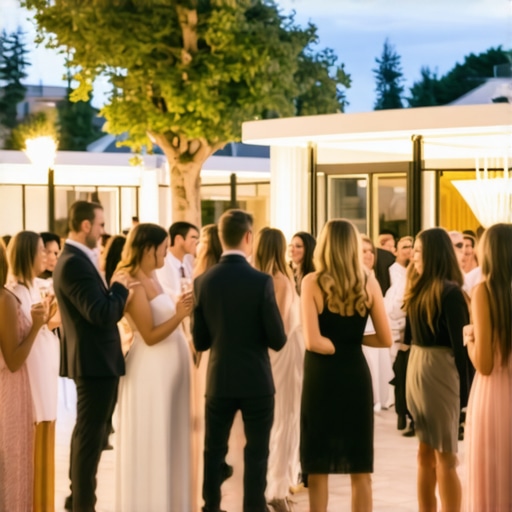
It was a chilly morning, and I was staring anxiously at a cluttered conference room, my heart sinking as I realized this space just wasn’t going to impress the investors I was trying to woo. Despite all the prep and excitement, the setting felt flat, uninspiring—like we were trying to hide behind a bland backdrop instead of making a bold statement. If you’ve ever faced that sinking feeling, you know how much a venue can make or break your launch event.
Why Picking the Right Venue Can Make or Break Your Launch Party
Choosing the right spot isn’t just about renting a space; it’s about creating an experience that reflects your startup’s personality and impresses your guests from the moment they arrive. Believe me, I’ve been there—initially, I thought a budget conference room would do the trick. But quick mistake: I overlooked the importance of ambiance, acoustics, and accessibility. That oversight left my team scrambling for last-minute fixes, and the event’s vibe suffered.
A well-chosen venue sets the tone, boosts your credibility, and keeps your guests engaged. Conversely, a poor choice can lead to distractions, awkward silences, or worse—missed opportunities. According to a study by Eventbrite, 84% of attendees say that venue quality influences their perception of the host. So, selecting the right space isn’t just a detail; it’s a strategic move.
Are you tired of hosting launch parties that fall flat because of uninspiring venues? Do you wonder how to avoid the common pitfalls many startups stumble into when choosing a location? Today, I’ll share the practical insights and tips from my own experience to help you select a venue that amplifies your startup’s message and creates lasting memories.
Is Your Venue Choice Actually Worth the Hype?
One of the biggest mistakes I made early on was assuming that any available space would do, without considering whether it truly suited our brand and goals. I overlooked factors like soundproofing, layout flexibility, and even the lighting—mistakes that can sabotage your event’s success. Thankfully, I found that places like coworking spaces and flexible meeting rooms offer the perfect blend of professionalism and adaptability. For example, I discovered that coworking spaces often have dedicated event venues that can be customized, making your launch stand out.
If you’re committed to hosting a memorable and impactful launch party, it’s crucial to pick a space that aligns with your vision. Curious how to spot these ideal spots? Keep reading, because I’ll guide you through practical steps to evaluate and select the perfect venue for your startup’s moment in the spotlight.
Pinpoint Your Ideal Space with Purpose
Start by clearly defining your event goals—are you aiming for networking, investor pitches, or brand awareness? I once tried booking a sleek hotel conference room, assuming size was enough, but it lacked the intimacy needed for genuine connections. Instead, I now focus on spaces that align tightly with my objectives, ensuring every inch supports your startup’s narrative. Consider whether the venue’s atmosphere matches your vibe; a high-tech startup benefits from modern, innovative spaces, while a community-driven project thrives in casual coworking hubs. Check [https://coworkingcentral.com/startup-success-secrets-choosing-the-perfect-conference-room-at-0817-am](https://coworkingcentral.com/startup-success-secrets-choosing-the-perfect-conference-room-at-0817-am) for more insights.
Evaluate Practical Aspects Rigorously
Next, scrutinize location accessibility. A venue that’s hard to reach can dampen attendance, no matter how perfect it looks on paper. When I booked a venue in a remote corner, I faced last-minute cancellations from guests struggling with transit. Always verify parking options, proximity to public transport, and ADA compliance. Assess the infrastructure—does the room have reliable Wi-Fi, enough power outlets, and proper lighting? These details matter immensely; for example, I once overlooked poor acoustics, leading to muffled speeches and frustrated attendees. Look into [https://coworkingcentral.com/effective-conference-room-strategies-to-boost-your-startup-in-2024](https://coworkingcentral.com/effective-conference-room-strategies-to-boost-your-startup-in-2024) to refine your planning.
Visualize the Space’s Potential and Flexibility
Imagine your event unfolding—are there adaptable layouts that can accommodate presentation areas, breakout sessions, and networking zones? I recommend visiting potential venues in person to see if their spaces can be reconfigured as needed, rather than relying solely on photos. For instance, I once booked a room with fixed seating, which limited interaction and made the event feel rigid. Many coworking spaces now offer customizable meeting areas—see how [https://coworkingcentral.com/creative-coworking-transforming-meeting-rooms-into-collaboration-hubs-at-0455-pm](https://coworkingcentral.com/creative-coworking-transforming-meeting-rooms-into-collaboration-hubs-at-0455-pm). Such venues often come equipped with movable furniture and tech setups that can scale with your guest list.
Test the Atmosphere and Ambience
The vibe of a space can influence guest engagement more than you realize. Personally, I look for venues that evoke energy and professionalism—good lighting, welcoming decor, and sound control. I recall inspecting a venue with high ceilings and natural light, which instantly uplifted the mood and energized attendees. Conversely, a dull, poorly lit room can sap enthusiasm. Pay attention to details such as noise levels, temperature control, and decor; these influence comfort and perception. If possible, visit during the same time of day as your event to gauge natural lighting and ambient noise. For tips on creating an engaging atmosphere, explore [https://coworkingcentral.com/why-lighting-matters-more-than-furniture-in-your-workspace](https://coworkingcentral.com/why-lighting-matters-more-than-furniture-in-your-workspace).
Check for Tech Readiness and Support
Event success depends heavily on tech — from projectors to reliable Wi-Fi. My mistake was assuming all spaces are tech-ready; I once faced complications because the venue’s internet was slow and unsecure. Make it a point to test the internet speed and security protocols beforehand. Ensure rooms are equipped with enough HDMI, USB, and power outlets, especially for demo stations or presentations. It’s wise to ask the venue about on-site tech support or troubleshoot plans, so your event runs smoothly. For more on maximizing your space’s tech potential, visit [https://coworkingcentral.com/how-to-maximize-productivity-in-your-startups-conference-rooms-by-0245-pm](https://coworkingcentral.com/how-to-maximize-productivity-in-your-startups-conference-rooms-by-0245-pm).
Finalize with a Test Run and Feedback
Before the big day, do a walkthrough or even a dry run. Invite a few colleagues or mentors and simulate the event, testing everything from layout to tech. I once did a walkthrough and discovered an awkward pillar that blocked sightlines, which led me to rearrange furniture and improve visibility. Gathering feedback helps identify overlooked issues and fine-tune your setup. Additionally, ensure the venue adheres to your privacy and safety standards; review policies at [https://coworkingcentral.com/privacy-policy](https://coworkingcentral.com/privacy-policy). Proper preparation reduces surprises and boosts your confidence for the actual event.Many believe that selecting a conference room or coworking space is simply about proximity and cost, but in my experience, there’s a nuanced layer that often gets ignored—one that can make or break your startup’s reputation. A common myth is that any well-lit, adequately sized room suffices; however, the real value lies in understanding the subtle factors like acoustics, tech infrastructure, and psychological comfort. Failing to consider these details can lead to awkward silences, technical mishaps, or disengaged audiences, which are costly to fix last-minute. According to a study by Harvard Business Review, the environment’s physical attributes can significantly influence participants’ engagement and trust levels, sometimes more than the content itself.
A trap I frequently see startups fall into is overlooking the importance of acoustic design. For instance, rooms with poor soundproofing can cause distracting noise bleed, undermining professionalism and focus during crucial pitches. Moreover, many focus solely on the visual aspect—like decor or layout—without investing in high-speed, reliable internet, which is essential for presentations, live demos, or remote collaborations. This oversight can cause delays, frustration, and a perception of unpreparedness.
Let’s ask: How many times have you chosen a space because it looked good in photos but then faced audio-visual headaches during your event? This is where the niche of advanced conference planning comes in. The goal should be to create an environment that fosters confidence, productivity, and clarity, not just surface-level appeal.
Another nuanced aspect often missed is the psychological comfort of the space. Factors such as lighting, climate control, and comfort of furniture influence attendee engagement subtly but profoundly. For example, rooms with harsh fluorescent lighting or uncomfortable chairs can sap energy and focus, regardless of the quality of your pitch or agenda. Investing in adjustable lighting, ergonomic furniture, and climate control isn’t just luxury—it’s strategic.
Furthermore, the misconception that the latest tech equipment guarantees smooth meetings is false. The true mastery lies in testing all systems beforehand and having backup plans, like portable Wi-Fi hotspots or wired connections, to mitigate tech failures. For startups aiming to impress investors or clients, these details demonstrate professionalism and thoroughness.
Remember, selecting a conference space isn’t just a logistical decision; it’s an extension of your brand’s credibility. Spaces like coworking environments often offer modern, adaptable rooms designed with these nuances in mind, especially if you tap into resources like [https://coworkingcentral.com/creative-coworking-transforming-meeting-rooms-into-collaboration-hubs-at-0455-pm](https://coworkingcentral.com/creative-coworking-transforming-meeting-rooms-into-collaboration-hubs-at-0455-pm).
So, have you ever fallen into this trap? Let me know in the comments. Choosing the right environment shows your attention to detail and respect for your audience—an often overlooked yet vital aspect of startup success.
Optimize Your Equipment for Consistency
Investing in reliable audio-visual gear is the foundation of seamless meetings. Personally, I swear by the Shure MV88+ stereo microphone for crystal-clear sound during remote collaborations; its compact design and easy setup make it my go-to. For video, Logitech Brio webcams provide 4K quality that impresses clients and investors alike. Regularly testing and updating firmware ensures these tools perform without hiccups, preventing last-minute tech meltdowns that can derail your sessions.
Implement Systematic Maintenance Routines
Establish a weekly check-up routine—clean screens, verify connections, and update software. This proactive approach catches issues early. Create a maintenance checklist and assign responsibility to a team member, so nothing slips between the cracks. In my experience, dedicated upkeep minimizes downtime and keeps your space presentation-ready, especially important when scaling your startup or expanding coworking spaces.
Leverage Automation for Efficiency
Automation tools save time and reduce manual errors. I use Zapier to automate reminders for equipment calibration and to sync meeting room calendars with project management apps. These integrations streamline booking and maintenance tasks, freeing your team to focus on growth strategies. As startups grow, automating such workflows becomes essential for maintaining quality without increasing overhead.
Plan for Scalability and Future-Proofing
As your venture expands, so will your needs. Choosing modular equipment and flexible space layouts allows easy upgrades. I recommend investing in wireless presentation tech, like wireless display adapters that enable seamless sharing across devices. This adaptability ensures your conference rooms remain relevant and capable of supporting innovative collaboration methods, such as virtual reality integrations or AI-driven scheduling, predicted to revolutionize coworking environments in the coming years.
How do I keep my meeting rooms functioning without chaos?
The key lies in structured routines, quality tools, and future-ready planning. Remember, every startup or coworking space benefits from consistent maintenance—think of it as an investment in trust and professionalism. For tailored advice on optimizing your space’s technology and operations, consider reaching out to experts at Coworking Central. And don’t forget—try implementing automated checklists using simple tools like Trello or Notion to keep your maintenance on track. Such small but impactful steps will keep your conference rooms humming along smoothly, even as your team scales and evolves.Over the years, I’ve realized that the smallest oversight in choosing a meeting space can ripple into missed opportunities and lost credibility. One lightbulb moment for me was understanding that the physical environment is an extension of your startup’s identity—every detail from acoustics to lighting whispers your professionalism. Remember, when you prioritize purpose over price, you craft experiences that resonate and build trust. An overlooked but powerful tip: always revisit your venue’s tech readiness and comfort features, as these foundational elements can tip the scale from a good event to an unforgettable one. Investing time in scouting and testing ensures that your message isn’t muddled by avoidable distractions. Consider attending industry-specific coworking spaces or consulting dedicated resources like [https://coworkingcentral.com/creative-coworking-transforming-meeting-rooms-into-collaboration-hubs-at-0455-pm](https://coworkingcentral.com/creative-coworking-transforming-meeting-rooms-into-collaboration-hubs-at-0455-pm) to find layouts that can adapt to your evolving needs. Ultimately, your venue should empower your startup, not hinder it—so choose wisely and prepare thoroughly.