
It hit me unexpectedly during a crucial team meeting in a rented conference room — despite our best efforts, something felt off. The space brought discomfort, subtly hampering our creativity and collaboration. I realized then that fostering a strong team culture isn’t just about what we say or do; it’s also about where we do it. But how do you build a vibrant, cohesive culture in a space that isn’t yours? That question haunted me for some time.
Why The Space You Use Matters More Than You Think
Creating a culture in a shared or external environment might seem daunting, especially when the space’s layout, design, or amenities aren’t under your control. Yet, I’ve discovered that intentionally shaping these environments can significantly influence your team’s vibe and productivity. It’s about transforming a neutral room into a hub of innovation and connection. For instance, I learned that the right furniture arrangement, lighting, and even the choice of decor can subtly reinforce your company’s values, making team members feel more at home and invested.
Interestingly, according to a report from Coworking Central, well-designed meeting rooms can boost creativity by up to 20%. That’s a game-changer for startups and remote teams relying on rented spaces.
If you’ve ever faced a similar struggle—feeling like your environment isn’t supporting your team’s culture—you’re not alone. Many leaders and entrepreneurs grapple with this challenge. The good news? With a strategic approach, you can turn any space into a culture-boosting environment. Let’s explore how to make that happen.
Is Transforming External Spaces Worth the Effort?
This was a question I wrestled with early on. My mistake was underestimating the power of environment shaping. I initially thought, “It’s not my space, so why bother?” That mindset limited our team’s potential until I understood that every environment has the capacity to reflect and reinforce your culture—if you put in the effort. You don’t need a complete renovation; small changes can make a significant difference. Curious how? Let’s dive into practical strategies to create a culture in spaces you don’t own.
Start Small and Be Intentional with Your Environment
My first move was to rearrange the furniture in the rented conference room during a high-stakes brainstorming session. Instead of the typical rectangular table, I created a circular setup using portable chairs and added some vibrant throw pillows to soften the vibe. This simple shift fostered a more open dialogue and reduced hierarchy, encouraging everyone to contribute.
Leverage Decor and Lighting to Reinforce Values
Next, I focused on decor. I brought in artwork that reflected our brand ethos—bold, innovative, and human-centric. For lighting, I replaced harsh fluorescent bulbs with warm, adjustable LED lamps. Adjusting the environment like this, as discussed in this article, can boost creativity up to 20%. These small changes subtly communicated our culture to anyone walking in.
Create Zones for Different Activities
I divided the space into distinct zones: a collaborative area with whiteboards for freeform thinking, and a quiet corner with comfortable chairs for focused work. Think of your space as a living organism—you wouldn’t put your entire team into one tiny room or one noisy corner; instead, design sections that support varied needs, encouraging natural interactions and focus.
Implement Visual and Narrative Cues
Walls became visual storytelling canvases. I displayed photos from company events, handwritten quotes, and project milestones to constantly remind team members of our journey and values. This technique transforms a generic room into a narrative space, as recommended in this guide.
Facilitate Informal Interactions
During a casual coffee break at a shared kitchen, I initiated a spontaneous chat with a fellow entrepreneur about our struggles with culture in rented spaces. These hallway conversations lead to deeper bonds and shared understanding. Creating opportunities for such informal exchanges—like setting up a communal whiteboard or dedicated lounge—can do wonders for building a cohesive culture, drawing inspiration from industry insights.
Measure and Adjust Over Time
After implementing these steps, I observed team interactions and solicited feedback. Small tweaks like adjusting lighting levels or adding plant life made a notable difference over weeks. Think of your environment as a living space—continuous care and iteration keep it aligned with your evolving culture.
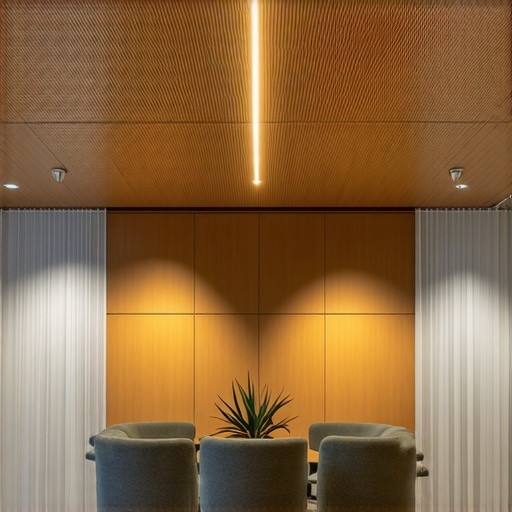 Many entrepreneurs and startups believe that choosing the most stylish or high-end coworking space automatically guarantees success. However, this is a common misconception. In my experience, the real advantage comes from intentionally shaping the environment to serve your team’s unique needs, rather than chasing aesthetic perfection. Over-investing in a fancy conference room without aligning it to your culture can backfire, leading to underused spaces and wasted resources. Instead, focus on thoughtful, strategic modifications—like creating zones for different activities or incorporating narrative cues—that reinforce your core values. An overlooked nuance is that many startup founders neglect the importance of privacy and acoustics, assuming open layouts foster collaboration, but in reality, they can hinder deep work. According to a study from Harvard Business Review, poorly managed open-plan environments can decrease productivity by up to 15%. This highlights the importance of designing spaces that balance openness with soundproofed zones for focus. Moreover, a frequent mistake is neglecting environmental cues that subtly influence behavior. For instance, small decor choices, lighting, and even temperature can significantly impact team morale and cohesion. When considering a meeting room, many overlook the potential of smaller, more flexible spaces that adapt to varied meeting styles, from brainstorming to strategic sessions. You might think that a big, fancy boardroom is a must, but the key lies in adaptability and intentionality, not size or price tag. To deepen your understanding, explore how smart selection of conference rooms can foster innovation and efficiency. Remember, the goal isn’t just to fill a space with trendy furniture—it’s to create an environment that accelerates your startup’s growth while reinforcing your culture. Have you ever fallen into this trap? Let me know in the comments.Maintaining a thriving coworking environment requires more than just initial setup; it demands strategic tools and consistent practices. Personally, I rely heavily on integrated software like the essential tech stack for a modern meeting room because it streamlines booking, controls access, and provides stability during high-stakes meetings. For example, tools like Robin Powered enable seamless room reservations, reducing conflicts and ensuring optimal utilization of your conference spaces. Additionally, digital signage solutions like ScreenCloud help communicate updates or community highlights, fostering engagement over time. Regular feedback collection is vital; I’ve found that using simple survey tools like Typeform keeps communication open and allows swift adaptation to evolving needs. Prediction suggests that AI-driven space management systems will increasingly automate resource allocation, reducing manual oversight while enhancing customization. To stay ahead, consider experimenting with these intelligent solutions and integrate them into your daily routines to optimize long-term results.
How do I maintain productivity and relevance in my meeting spaces over time?
Consistent evaluation and adjustment are key. Schedule quarterly audits of your tech and environment—check device updates, service subscriptions, and the physical state of your furniture and decor. Staying familiar with your space’s performance metrics can uncover inefficiencies before they become problematic. This proactive approach ensures your workspace remains aligned with your team’s growth and changing preferences. Remember, the most successful coworking spaces are those that adapt rapidly; don’t hesitate to explore new tools like occupancy sensors or smart lighting that can further automate and personalize your environment. For inspiration, check out top meeting room innovations of 2025 and envision the future of your space today.
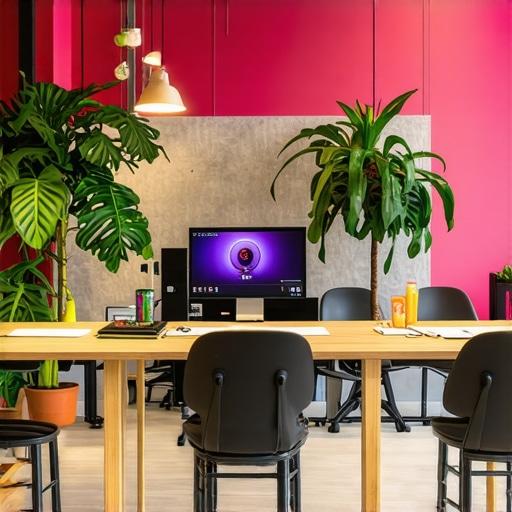
To truly elevate your space, I recommend trying out automated lighting systems—like LIFX or Philips Hue—that adjust based on natural light levels and occupancy. These systems, backed by detailed technical documentation such as LIFX’s automation guide, can significantly reduce energy costs and create a welcoming atmosphere without manual intervention. By investing in such tools, you not only enhance comfort but also demonstrate a commitment to innovation—attracting like-minded startups and freelancers eager to be part of a forward-thinking community. Don’t just settle for static environments; leverage automation to transform your coworking space into a dynamic hub that evolves with your team’s needs. Try implementing smart lighting this month and observe how it subtly but powerfully impacts productivity and morale.
Throughout my journey, I uncovered that the most unexpected realizations often come from small, deliberate actions. One profound lesson was that even in rented or shared environments, your leadership can shape a space’s energy—transforming it from a plain room into a catalyst for innovation. I learned to prioritize intentional design choices over expensive aesthetics, understanding that authenticity in environment-building fosters true team cohesion.
Another insight was recognizing that consistent, small tweaks—like adjusting lighting or creating dedicated zones—serve as signals of your values. This strategic customization doesn’t demand a complete overhaul; it requires vigilance and a mindset of continuous improvement. Ultimately, I realized that environmental stewardship is a tangible expression of your startup’s culture, and mastering this overlooked art unlocks profound growth opportunities.
Secrets Only Insider Entrepreneurs Know About Shaping Space
- The tiniest change can spark team energy: Simple rearrangements or decor updates have the power to boost morale and creativity more than any big-budget renovation.
- Environment signals culture: Every visual cue and lighting choice communicates your startup’s personality—be deliberate with what you display and how you feel.
- Flex zones matter: Designing spaces for different activities encourages both collaboration and deep focus, fostering a balanced culture.
- Small details, big impact: Plants, artwork, and narratives on walls subtly reinforce your core values and history—making the space uniquely yours.
- Behavioral cues shape culture: Strategic use of environment influences team interactions, trust, and motivation—without a word spoken.
My Go-To Tools for Workspace Wizardry
- Tech stack gems — These streamline space management, booking, and engagement, making scale effortless and ambience consistent. Robin Powered, for instance, simplifies scheduling and reduces conflicts, saving time and stress.
- Creative environment tips — They teach how lighting, decor, and furniture influence mood and productivity. I trust their insights because they’re proven to inspire innovation and cohesion.
- Futuristic concepts — Staying ahead with adaptable zones and narrative displays keeps your space relevant and inviting, aligning with industry trends and team needs.
- Remote engagement strategies — When in-person isn’t always possible, these tools and ideas help maintain a vibrant, connected culture across environments.
Your Next Step: Cultivate a Space that Inspires
Embrace the challenge of shaping external spaces, knowing that your intentional touches can turn any environment into a magnet for talent, innovation, and team unity. Start small, think big, and keep refining—your startup’s culture depends on it. Remember, the power to transform rented rooms into growth hubs lies in your hands. Dive into experimenting with lighting, decor, and zones, and watch your team thrive amid spaces that truly reflect your vision.
What’s one environment change you’re eager to try that could boost your startup’s culture? Share your ideas below—I’m excited to hear your plans!