
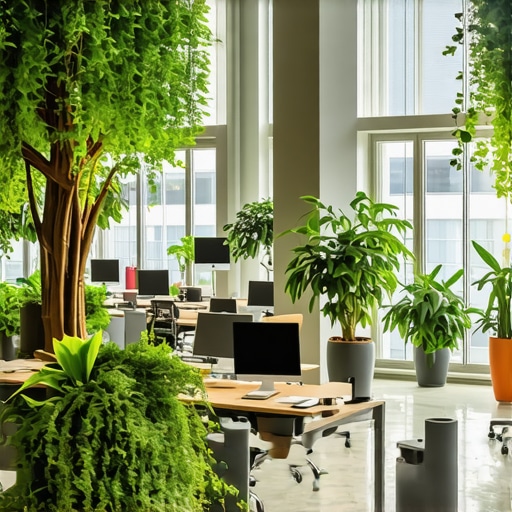
I remember the exact moment I realized my workspace was draining my creativity rather than fueling it. It was during a hectic team meeting in a sea of gray cubicles, where I felt more like a cog in a machine than a passionate entrepreneur. The fluorescent lights flickered overhead, echoing my growing frustration. That lightbulb moment hit me hard: my environment was doing more harm than good.
Breaking Free from the Cubicle Mindset
Creating a workspace that inspires innovation isn’t just about buying fancy furniture or claiming a corner office. It’s about designing an environment that energizes your team, fosters collaboration, and reflects your startup’s unique culture. But where do you start when the default is a dull, soulless cubicle farm?
Many early-stage founders fall into the trap of thinking that any space will do, especially when budget constraints loom large. I made the mistake early on of choosing a generic, cookie-cutter office just to check the box. The result? Disengaged team members, decreasing productivity, and a sense that we were just going through the motions.
The good news? You can turn your workspace into a powerhouse of creativity and efficiency. Today, we’ll explore practical ways to break free from the mundane, making your office a place that fuels your team’s passion and productivity.
Is Investing in a Cool Workspace Really Worth It?
There’s a common skepticism: Does spending time and money on workspace design truly impact my startup’s success? I get it. It’s easy to dismiss aesthetics when essential things like product development, marketing, and funding take priority. However, research shows that a well-designed environment can boost productivity by up to 25% and improve employee satisfaction significantly.
One mistake I made early on was overlooking the importance of natural light, thinking it was a luxury rather than a necessity. Lighting can drastically influence mood, focus, and overall well-being. To truly align your workspace with your goals, it’s vital to consider these often-overlooked details.
As we dive deeper into this topic, I’ll share actionable steps that helped me transform our office into a vibrant, inspiring hub—something beyond just a place to sit and work. Ready to create a workspace that feels right, not just right-sizing your office? Let’s get started.
Design Around Collaboration, Not Isolation
Start by reimagining your space as a hub for ideas—not just individual desks. I converted a corner of our shared coworking space into a dedicated team zone. I used whiteboards and writable walls to foster spontaneous brainstorming. Within days, our team’s energy shifted, and quick huddles replaced lengthy email threads.
Prioritize Lighting for Better Focus
Natural light is a game-changer. I replaced harsh overhead fluorescents with adjustable desk lamps and encouraged employees to position their workstations near windows. The result? Increased alertness and a notable dip in midday fatigue. Don’t underestimate the psychological impact of good lighting—visit https://coworkingcentral.com/the-psychology-of-natural-light-in-a-productive-workspace to explore more.
Create Visual Cues for Inspiration
Decorate your space with motivational quotes, startup success stories, or user-generated art. Once, I printed out top customer testimonials and pinned them beside our meeting area. It served as a daily reminder of purpose and motivated our team during challenging weeks.
Implement Flexibility with Modular Furniture
Invest in movable desks and stacking chairs. We started with a few ergonomic chairs that could be rearranged for different tasks. During a late-night coding session, multiple configurations allowed us to shift from individual focus pods to collaborative clusters seamlessly—akin to how a good conference room can adapt during meetings. Learn how to select the right furniture for your startup at https://coworkingcentral.com/choosing-the-right-furniture-for-your-new-startup-office.
Enhance Tech for Seamless Communication
Equip your space with high-speed internet, quality video conferencing tools, and soundproofing. I once struggled during a crucial pitch because of echoing audio. We solved that by installing acoustic panels and a smart mic system. This upgrade drastically improved our remote presentation quality, making us appear more professional and prepared.
Optimize Conference Rooms for Impact
Choose rooms with versatile layouts and ample whiteboard space. In my experience, a well-structured meeting room enhances engagement. For instance, during a product launch, our move to a dedicated conference space with backdrop branding created a memorable experience for investors. Discover how to pick ideal conference rooms at https://coworkingcentral.com/how-to-choose-the-perfect-conference-room-for-business-success.
Foster Network Opportunities Within Your Space
Encourage cross-team interactions through shared coffee stations or informal lounge zones. We set up regular ‘open space’ hours where team members from different departments could collaborate. This culture of openness led to innovative ideas and even potential partnerships with neighboring startups within the coworking space, highlighting the importance of built-in networking prospects—more tips at https://coworkingcentral.com/unlock-networking-opportunities-in-top-coworking-environments.
Many entrepreneurs and startups fall prey to misconceptions about coworking spaces and conference rooms, often leading to costly mistakes or underutilized resources. Let’s dig deeper into the nuances that many overlook, and why understanding these can give your team a real edge.
One widespread myth is that all coworking spaces offer similar amenities and community benefits. In reality, the quality, focus, and culture vary widely. For instance, some spaces prioritize networking events and community engagement, which are crucial for startups seeking partnerships, while others emphasize privacy and security for sensitive projects. Recognizing these differences allows you to select a workspace aligned with your startup’s specific needs. As explained in our guide on choosing the right workspace, thorough research and site visits are indispensable.
Another common mistake involves underestimating the importance of meeting room design. Many assume that a simple physical space suffices, but the true effectiveness depends heavily on tech integration and flexibility. An advanced meeting room setup—equipped with reliable high-speed internet, soundproofing, and adaptable furniture—not only enhances communication but also projects professionalism to clients and investors. Interestingly, studies have shown that well-designed conference rooms can boost meeting productivity by up to 20%. Don’t overlook this when planning your ecosystem.
The ‘Oops’ factor here is ignoring acoustic quality. Loud backgrounds or poor soundproofing can derail important pitches or team discussions, creating frustration and reducing productivity. For startups, a disruptive environment can be fatal, especially during critical investor calls. Upgrading to acoustic panels or choosing spaces with dedicated quiet zones can mitigate this risk significantly. For guidance on optimizing your conference rooms, visit https://coworkingcentral.com/how-to-maximize-productivity-in-your-startups-conference-rooms-by-0245-pm.
Have you ever fallen into this trap? Let me know in the comments.
Thinking further, the advanced question is: how can startups leverage shared spaces to simulate the benefits of a dedicated office without the associated costs? The answer lies in strategically using flexible booking systems and fostering a strong community culture. By doing so, teams can sustain productivity and innovation, much like a private office, but with the agility to adapt as they grow. For more insights on optimizing your coworking experience, read about how to unlock networking opportunities in top environments at https://coworkingcentral.com/unlock-networking-opportunities-in-top-coworking-environments.Maintaining an efficient coworking environment requires the right tools that streamline operations, enhance collaboration, and future-proof your setup. I personally rely on a combination of hardware and software that ensures everything runs smoothly. For instance, I use ASAP.pl for real-time booking management; it allows team members and community members to reserve meeting rooms effortlessly, reducing those awkward double bookings. The system’s intuitive interface and mobile app make it easy to manage spaces even on the go, helping us maximize utilization and foster a collaborative atmosphere.
When it comes to communication, Slack remains my go-to tool. Its channel organization and integration capabilities enable us to keep project discussions separate yet accessible. I’ve integrated Slack with our conference room scheduling system, so whenever a meeting is booked, relevant team members are automatically notified. This integration minimizes missed meetings and keeps everyone aligned.
For content security, I trust our privacy policy to guide data management practices. Staying compliant and transparent with members regarding data practices builds trust and ensures long-term collaboration.
How do I maintain these tools over time?
The key is regular evaluation and training. Schedule quarterly check-ins to assess whether the tools continue to meet your evolving needs, and provide ongoing training sessions for your team. Automation can help here—set up reminders for updates and platform checks to keep everything optimized. As coworking technology advances, more integrated solutions are emerging. For example, smart conference room systems are enhancing meeting experiences, making them more interactive and data-driven. Embrace these innovations early; they future-proof your workspace and simplify management, allowing your team to focus on core tasks.
To make your workspace truly agile, try integrating an all-in-one platform that combines booking, communication, and security. Setting up a centralized dashboard can reduce friction and provide real-time insights into space usage. With the rapid evolution in coworking tech, staying ahead means adopting tools that adapt with you, so don’t hesitate to experiment and refine your setup regularly.Reflecting on my journey with coworking spaces and startup offices, I realize the true lessons aren’t just in design choices but in understanding human dynamics. One hard-earned insight is that a well-crafted environment can either propel your startup forward or silently hold it back. People underestimate how much ambient factors like lighting, acoustics, and layout influence creativity and collaboration, often until it’s too late. Another lesson is that flexibility isn’t just about movable furniture; it’s about cultivating a culture that adapts and evolves with your team’s needs. Lastly, investing in tech and infrastructure pays dividends—an outdated conference room or poor Wi-Fi hampers progress more than many founders expect. These lessons remind us that an optimal coworking or startup space is a living ecosystem, where every detail matters for long-term success.