
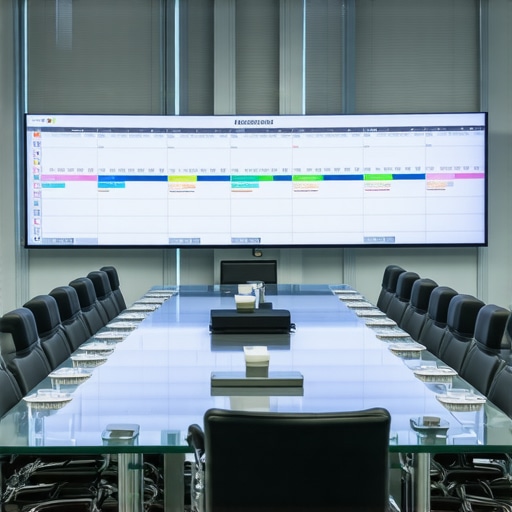
Picture this: you’re about to close a big deal or pitch a vital investor, and you realize your usual coworking space or coffee shop just won’t cut it. The noise, distractions, and informal vibe don’t scream professionalism—they scream chaos. I’ve been there. The moment when I needed a sleek, private space to impress clients but couldn’t justify spending hundreds on a fancy conference room. That lightbulb moment hit me hard. Why are we spending so much on spaces that don’t align with our startup dreams?
Why You Should Reconsider Your Meeting Space Choices
In the world of startups and freelancing, first impressions matter. A polished, professional boardroom can set the tone for trust and credibility. Yet, many entrepreneurs like myself have been trapped in the misconception that booking a top-tier meeting room comes with a hefty price tag—sometimes more than a fancy dinner. But here’s the truth: you don’t need to max out your credit card to impress. Surprisingly, there are ways to secure stunning, functional meeting spaces for less than what you’d spend on a single meal.
Is High-Quality Meeting Space Worth the Hype?
Early in my journey, I thought quality and cost were mutually exclusive. I made the mistake of opting for the cheapest option available, only to realize I compromised on technology, comfort, and ambiance. That led to awkward tech glitches, bad lighting, and a room that looked unprofessional in photos—a disaster for my brand image. As Harvard Business Review points out, the environment where you meet influences perceptions and outcomes significantly. So, what’s the fix? It’s all about knowing where and how to look.
Have you ever faced a situation where you needed a professional backdrop for a critical conversation but felt priced out? If so, you’re not alone. The good news is, with a little insider knowledge, you can turn this challenge into an opportunity.
Identify Your Meeting Needs Clearly
Start by listing your essential requirements: size, tech amenities, privacy, and style. Recall the time I needed a space for a pitch and initially resorted to a basic coworking lounge. It was noisy, unprofessional, and left a poor impression. By understanding what I truly needed—quiet, reliable Wi-Fi, a whiteboard, and a sleek look—I was able to focus my search effectively. This clarity cuts down time and helps you avoid overspending on unnecessary features.
Leverage Creative Alternatives to Traditional Conference Rooms
Look beyond standard booking options. Think about community centers, local hotels with meeting rooms, or even boutique event spaces that rent by the hour. I once booked a boutique hotel’s private lounge for a client presentation—costs were lower than a premium coworking room, and the ambiance was more refined. Use sites like innovative meeting rooms to discover unconventional venues that boost startup creativity. Remember, selecting the right environment is about matching your brand image and meeting goals, not necessarily the location with the highest price tag.
Negotiate or Find Membership Packages
Many providers aren’t rigid on their prices. When booking, ask about discounts for recurring use or bundled packages. A good example: I negotiated a monthly rate with a local co-working space where I hosted weekly meetings. They offered a lower rate in exchange for consistent business, saving me 30%. Find spaces with flexible terms, and don’t hesitate to ask for a trial or day-pass option to test quality before committing long-term. You can also explore negotiation tips to improve your chances of landing a better deal.
Tap Into Technology for Virtual and Hybrid Options
If location is limiting, consider high-quality virtual meeting spaces or hybrid setups. Platforms offering professional virtual rooms with seamless tech integration are cost-effective alternatives. When I needed to impress an investor remote, I used a curated virtual background and top-notch video equipment, creating a professional atmosphere without physical constraints. For in-person meetings, ensure the space has reliable AV tech to prevent glitches. For insights on optimizing your tech setup, check how to vet a meeting room.
Establish a Routine for Booking and Evaluation
Create a simple process: evaluate needs, shortlist options, negotiate, and review after each use. For instance, I now schedule weekly reviews of my meeting spaces—assessing comfort, tech functionality, and cost. This habit ensures I continually optimize without exceeding my budget. Be proactive—mark your preferred venues, save contacts, and build relationships that may lead to exclusive deals. Regular evaluation helps you adapt to changing needs and discover hidden gems, like that refurbished art gallery turned co-working space I discovered through local networking.

Use the power of strategic space selection to enhance your startup’s credibility and save costs. Remember, the key is clarity, creativity, and negotiation at each step. Master these, and you’ll consistently impress clients and investors alike without breaking the bank.
Many assume that choosing a conference room or coworking space is simply about location and price. However, the nuanced reality is that startups often overlook critical factors like environment synchronization with brand identity or tech compatibility, leading to costly mistakes. For example, opting for a trendy but poorly soundproofed space can sabotage crucial negotiations—something experienced entrepreneurs know can be a costly oversight. A common myth is that bigger or more expensive spaces automatically impress clients, but in practice, the quality of sound, lighting, and privacy matters far more. Advanced founders understand that these elements can significantly influence perceptions and decision-making.
Let’s challenge the notion that all meeting rooms are created equal. Studies from Harvard Business Review reveal that the physical environment directly impacts psychological comfort and performance. So, what does this mean for savvy entrepreneurs? It’s about going beyond surface-level features. For instance, an innovative startup might prioritize spaces that foster collaboration, such as flexible collaboration hubs, over traditional conference rooms. Spaces like these are often overlooked but can be found by exploring unconventional venues that boost creativity. Relying solely on standard options could mean missing out on environments that inspire innovation.
Beware of the trap of overvaluing aesthetics without assessing functional aspects. An attractive space that lacks reliable tech or privacy can trigger repeated disruptions, hampering productivity and professionalism. Advanced users prioritize tech readiness, including high-speed internet and seamless AV integration, as outlined in how to vet a meeting room. This advice emphasizes that technical nuances are points of failure that many underestimate until a critical moment.
What about the misconception that booking for a single big event is the best use of space? Actually, spreading meetings across smaller, purpose-built areas can maximize engagement and reduce fatigue, especially in hybrid setups. This approach requires a sophisticated understanding of space utility, something only experienced founders grasp. It’s worth considering the long-term benefits of flexible arrangements, including serendipitous interactions and ongoing networking.
A common mistake is neglecting the potential of regular negotiations for memberships or additional services. Many fail to leverage the value of bundled packages or flexible terms, which can be game-changers for startups mindful of cash flow. For tips on effective negotiation, see how to negotiate your coworking fees. Building ongoing relationships with venue providers ensures better deals and more tailored solutions.
Lastly, embracing hybrid and virtual meeting options remains an underutilized strategy. Smart entrepreneurs recognize that a well-equipped virtual setup can extend their reach without geographic limitations. For example, investing in quality webcams and dedicated virtual rooms allows startups to impress remote investors or partners, saving costs and expanding influence. Learn more in the future of conference rooms.
In summary, the real nuance lies in understanding that the choice of meeting space intersects deeply with brand perception, tech reliability, environment quality, and strategic use of flexible arrangements. Don’t fall prey to the myth that more expensive or larger spaces are automatically better. Instead, focus on the hidden details that can make or break your next big pitch. Have you ever fallen into this trap? Let me know in the comments, and share your experiences!Maintaining a seamless conference room experience requires the right combination of technology and habits. I personally rely on a few key tools that help me ensure my meeting spaces are always ready to impress and communicate effectively. First, I use Otter.ai for transcriptions during meetings. It not only captures important details but also allows my team to review discussions asynchronously, reducing the need for repetitive meetings. I’ve found that integrating Otter with my calendar via Zapier automates the transcription process, making it a hands-off, reliable system. Another essential is Google Chromecast for quick, wireless presentations. It eliminates the frustration of HDMI cord juggling and ensures my laptop can seamlessly screen-share, which I learned is a common pitfall during last-minute meetings. For audio clarity, I always choose Blue Yeti microphones. Their high sensitivity and noise-cancelling features are a game-changer, especially in open spaces or shared environments—something Harvard Business Review highlights as crucial for maintaining professionalism. I also incorporate reliable high-speed internet service from my provider to prevent disruptions that can kill productivity and professionalism. To manage all these tools efficiently, I set up a simple Slack channel dedicated to room maintenance and tech troubleshooting, so team members can quickly report issues or suggest improvements—creating a culture of continuous enhancement. Looking ahead, the trend is moving towards smart environments that integrate IoT devices to automatically monitor and adjust room conditions. Companies like innovative coworking spaces are already implementing sensors that optimize lighting, temperature, and acoustics based on occupancy and usage patterns. To stay ahead, I recommend you start by investing in a high-quality wireless presentation system, like Chromecast, and set up a dedicated troubleshooting Slack. This simple step can substantially improve your conference room’s reliability and your team’s confidence. Want to ensure your setup is foolproof? Try scheduling a bi-weekly audit of your tech and environment, including testing your internet speed with tools like this checklist. Regular maintenance prevents small glitches from snowballing into major disruptions, keeping your meetings sharp and professional.
Over the years, I’ve learned that choosing the right meeting space isn’t just about saving money—it’s about elevating your startup’s credibility and fostering creativity. One lightbulb moment was realizing that a well-selected space can serve as a subtle yet powerful branding tool, leaving lasting impressions on clients and investors alike. Moreover, negotiating space terms became an art form that significantly impacted my bottom line, reminding me that persistence and relationship-building unlock better deals than price tags alone. Lastly, leaning into technology for hybrid meetings has shown me that flexibility and adaptability are essential skills, especially as remote and virtual interactions become the norm. Embracing these lessons transforms the often-overlooked conference room into a strategic asset that propels your startup forward.