
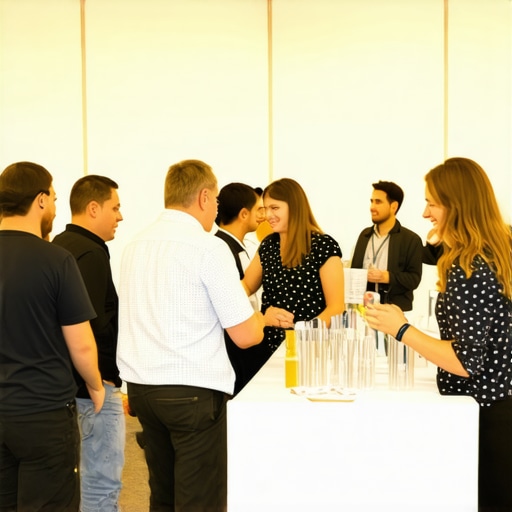
It was late afternoon, and I was desperately trying to rally a decent turnout for my latest community gathering. Despite advertising through every channel I knew—social media, email blasts, even a few hurried phone calls—the RSVP list was embarrassingly empty. As I sat there, staring at an untouched buffet and a few disinterested faces, it hit me: I had been approaching this all wrong. The truth is, hosting events that local professionals genuinely attend isn’t about flashy venues or fancy invites; it’s about understanding what *they* want—and that’s often different from what we assume.
Why Most Community Events Fail to Attract the Right Crowd
The problem often lies in the expectations we set and the perceptions we create. We think that just because an event is hosted in a trendy coworking space or a sleek conference room, it will attract the crowd we’re aiming for. But, in reality, many professionals dismiss these invitations because they doubt the value or simply don’t see a clear benefit. According to a study by Eventbrite, 78% of attendees say they only go to events that promise real value or unique networking opportunities. That’s a sobering statistic and a clue that it’s not enough to just put *something* together and hope for the best.
In my early days, I made the mistake of booking a flashy venue with no real plan to engage attendees meaningfully. The result? A few awkward conversations and a lot of wasted effort. That experience taught me that the *where* and the *how* are crucial, but even more vital is the *why*—why the people you want to attend should show up, stay engaged, and actually enjoy themselves.
To get people through the door and keep them talking, you must create an environment that addresses their needs and norms. But how do you do that when most folks are skeptical about yet another networking event? Well, the good news is, with a few strategic tweaks, you can turn your community gatherings into must-attend events. In the coming sections, I’ll share practical strategies based on my personal experience and insights from industry leaders, so you can finally host events that work—not just in theory, but in real life. Ready to dive into the nuts and bolts? Let’s get started.
Design an Irresistible Theme or Focus
Start by pinpointing what your target community truly cares about. For example, at a previous meetup, I chose to focus on emerging startup trends, which immediately attracted passionate attendees. Make the event theme relevant, timely, and specific—this draws in the right crowd. Once you have a clear focus, craft your messaging around that core concept to generate excitement and clarity.
Book the Right Space with Purpose
Choosing a conference room shouldn’t be an afterthought. Think of it like selecting a stage for your play—its size, ambiance, and tech capabilities set the tone. I once booked a small, high-tech coworking space for a workshop on product design, which felt intimate and energized. To ensure your space supports your goals, vet it for reliable Wi-Fi, enough seating, and on-site amenities. Learn how to vet the perfect space.
Create an Engaging Agenda
Structure your event around meaningful interactions, not just speakers. Include breakout sessions, roundtables, or collaborative activities. I once hosted a startup pitch night where participants rotated through small groups, which facilitated deeper connections. An engaging agenda keeps energy high and makes attendees feel your event is worth their time.
Implement a Personalized Invitation System
Rather than mass emails, reach out personally to potential attendees with reasons why they should come. Share how the event aligns with their interests or solves a problem they face. When I invited key local entrepreneurs directly, they responded enthusiastically, resulting in a much more lively turnout. Personal touches demonstrate genuine interest and boost attendance.
Leverage Strategic Partnerships
Partner with local organizations or influencers relevant to your niche. For example, collaborating with a respected startup incubator can lend credibility and attract their members. These relationships also open avenues for co-promotion, extending your reach far beyond your usual network. Consider cross-promoting on top coworking environments.
Create a Friendly, Purposeful Atmosphere
Design your space to encourage interaction. Use signage, icebreaker activities, or even simple coffee stations. I remember setting up a casual lounge area with snacks and comfortable seating; it became a hub for spontaneous conversations. When people feel relaxed and welcomed, they engage more, making the event memorable.
Follow Up with Attendees Meaningfully
After the event, send personalized thank-you notes, share key takeaways, or set up follow-up meetings. For instance, I once sent a curated list of contacts to attendees, sparking ongoing conversations. This not only solidifies relationships but also encourages future participation. Remember, the goal is to nurture a community, not just host one-off gatherings.
Many entrepreneurs and workspace managers assume that selecting a trendy location or state-of-the-art technology alone guarantees successful meetings and collaborations. However, this common belief overlooks subtle yet impactful nuances that can make or break the productivity and innovation these spaces aim to foster. A prevalent myth is that bigger, more expensive conference rooms inherently lead to better outcomes, but in my experience, the *true* key lies in how these spaces are designed and utilized.
One critical mistake is ignoring the importance of psychological comfort and environmental psychology. Studies show that ambient factors such as lighting, acoustics, and even room dimensions influence participants’ engagement and creativity. For example, a Room designed with natural light and soundproofing can significantly improve focus and reduce stress, directly impacting the quality of discussions. Yet, many assume that plugging in the latest tech gadgets or renting the ‘fancy’ space suffices, which is a dangerous oversimplification. To truly harness the potential of your coworking or meeting environment, it’s vital to personalize the space based on specific activity needs rather than defaulting to generic templates.
What Advanced Strategies Can Maximize Meeting Effectiveness in Shared Spaces?
Implementing flexible layouts and adaptive furniture, for instance, allows easy reconfiguration to suit different group sizes or activities. Moreover, integrating biophilic design elements—like plants and natural textures—can foster well-being and stimulate creativity, as highlighted by environmental psychologists. However, beware of the trap where managers invest heavily in high-end furnishings without considering the overall flow or acoustic properties, leading to echoing or distracting noise levels. This oversight often results in meetings where participants feel physically comfortable but mentally disengaged. Always prioritize acoustic design and spatial acoustics, which are often underestimated, as they directly influence communication efficiency. For deeper insights, exploring how innovative coworking spaces are reinventing conference rooms could provide valuable inspiration—check out this resource.Ensuring your startup’s conference rooms and coworking spaces remain functional and inspiring over time requires strategic planning and the right tools. I personally rely on a combination of quality AV equipment, smart checklists, and regular maintenance routines to keep my meeting environments top-notch. High-speed, reliable internet connection, verified through dedicated connection testing software like fiber vetting tools, is foundational. I also recommend investing in adaptable furniture and modular layout options to accommodate different group sizes and activities, which I implement through detailed space management protocols. Regular audits using acoustic and lighting assessments help identify and fix issues before they become disruptive. As the trend towards hybrid work continues, integrating IoT devices for real-time environment monitoring is predicted to become a standard, allowing automatic adjustments to lighting, climate, and acoustics, ultimately enhancing productivity and comfort. How do I maintainmeeting room technology and environment over time? I schedule quarterly inspections and invest in training staff and members on basic troubleshooting to quickly address issues. Additionally, building relationships with local tech support providers ensures swift assistance when needed, preventing minor glitches from derailing scheduled discussions. My experience confirms that proactive maintenance combined with modern tools prevents downtime and keeps your spaces ready for high-stakes meetings. I encourage you to adopt routine environment audits and explore IoT solutions to keep your spaces future-proof and inspiring. Want practical tips on upgrading your setup? Check out this resource for insights on integrating smart environment controls.
Reflecting on my journey, I’ve realized that many of my initial efforts in hosting community events were based on assumptions rather than understanding my audience’s true needs. One of the most valuable lessons I’ve learned is that genuine engagement comes from creating spaces that resonate on a deeper level, rather than relying solely on trendy venues or high-tech gadgets. It’s about anticipating the subtle cues of your community—what sparks their curiosity, what makes them feel valued, and how to foster authentic connections that transcend superficial networking.
Lessons That Changed My Approach to Building Community
- Focus on Authentic Value: Instead of flashy themes, I started emphasizing content and experiences that directly address my community’s challenges and ambitions. This shift made conversations more meaningful and attendance more consistent.
- Prioritize Environmental Psychology: I began paying closer attention to room acoustics, lighting, and layout, recognizing how these elements influence comfort and openness. Creating a welcoming physical environment was key to encouraging honest dialogue and spontaneous collaboration.
- Personal Outreach Over Mass Invitations: Handpicking and personally reaching out to potential attendees made them feel genuinely appreciated, resulting in higher engagement and follow-through.
- Strategic Partnerships Boost Authenticity: Collaborating with trusted local organizations and influencers lends credibility and helps tap into existing networks that share your community’s values.
Top Tools and Resources That Keep Me Progressive
- Innovative meeting room ideas — I trust this resource for insightful ways to transform spaces into hubs of creativity and collaboration.
- Tech vetting protocols — Ensuring reliable connectivity has been indispensable for smooth virtual interactions during hybrid gatherings.
- Community engagement strategies — Implementing these has helped me maintain sustained interest and active participation.
- Personalized invitation tactics — Custom approaches have significantly increased turnout and interest levels.
Your Unique Opportunity to Make a Difference
Building a thriving startup community isn’t just about hosting events; it’s about fostering environments where ideas flourish and relationships deepen. Embrace the nuance, listen to your community’s unspoken needs, and don’t be afraid to experiment with space and format until you find what truly resonates. Remember, the most impactful communities are shaped by genuine intent and thoughtful execution—your efforts can catalyze innovations that ripple far beyond your initial gatherings.
Question: Have you experienced a moment when changing your environment or approach led to a breakthrough in engagement? Share your story below and inspire others to rethink their community-building strategies.