

It was a typical Tuesday morning when I sat in a meeting room, surrounded by colleagues I barely knew. The air was thick with unspoken frustration, and the silence was deafening. That moment hit me hard — despite being in a collaborative environment, we weren’t actually working together. It was a lightbulb moment. I realized that creating a true collaborative culture in a shared office isn’t about open-plan layouts or fancy coffee machines; it’s about fostering genuine connection and trust.
Why Cultivating Collaboration Changes Everything
In my early days, I made the mistake of assuming that providing a space for people to work would naturally lead to teamwork. Spoiler: it doesn’t. According to a report by Harvard Business Review, companies with high levels of collaboration are five times more likely to be high performing. That statistic stuck with me. But how do we turn a collection of desks into a vibrant hub where ideas flow freely?
First, let’s acknowledge the biggest roadblock: skepticism. Having been there myself, I know the doubts. You might wonder if building a collaborative culture is just another buzzword that won’t stick. Or perhaps you’re worried it’s too idealistic or time-consuming. I get it. My first attempt backfired when I overlooked the importance of intentional community-building activities. Instead of fostering real connections, I ended up with a room full of lone wolves pretending to collaborate.
In the upcoming sections, I’ll share practical insights and proven strategies to cultivate an authentic team spirit, even within the confines of a shared office or coworking space. From understanding the significance of purpose-driven spaces to leveraging innovative meeting rooms that boost creativity, we’ll cover the essentials that transform silent offices into thriving communities.
Are you facing challenges in making your shared workspace truly collaborative? If so, you’re not alone. Let’s explore how to turn those barriers into opportunities for growth and innovation.
Set Clear Goals for Your Collaborative Culture
Start by defining what collaboration means in your environment. During a startup I worked with, we held a concise workshop to identify shared objectives, which created a unified purpose. This clarity aligned everyone’s efforts and fostered ownership.
Design Spaces that Encourage Interaction
Rather than isolating team members, organize your coworking space to promote spontaneous conversations. Use modular furniture and communal zones. I once repurposed a corner with standing desks, which quickly became the hub for quick brainstorms. Visual aids like creative coworking areas can inspire collaboration.
Utilize Technology to Break Down Barriers
Implement tools that facilitate open communication—messaging platforms, shared document repositories, or project management apps. During a project, we introduced a real-time chat that diminished email overload and accelerated decision-making. Ensure your conference rooms support seamless connectivity; high-speed fiber vetting is critical.
Schedule Purposeful Interactions
Plan regular team check-ins and social events to build trust. I organized weekly 15-minute stand-ups and monthly casual mixers. These moments became fertile ground for ideas to flourish beyond formal meetings. Incorporate innovative meeting rooms as creative spaces that inspire fresh thinking.
Empower Employees with Autonomy
Micromanagement stifles collaboration. Instead, give team members ownership of their tasks, encouraging peer-to-peer interactions. In a startup I advised, managers stopped guiding every detail and instead held weekly feedback sessions, which boosted engagement and initiative.
Leverage Visual Collaboration Tools
Implement whiteboards, sticky notes, or digital brainstorming platforms. During a critical project, our team used visual maps to align ideas quickly, reducing confusion and fostering rapid iteration. Integrate these tools within accessible conference rooms, ensuring they are easy to use.
Measure and Adjust Your Approach
Regularly solicit feedback and analyze participation metrics. After implementing these strategies, I kept an open forum for suggestions, which led to iterative improvements. Use surveys or quick check-ins to gauge effectiveness and stay adaptable.
Prioritize Confidentiality and Comfort
Create quiet zones or private booths for sensitive discussions. During a startup pitch, we used a dedicated, soundproof room, which significantly improved client confidence. Vetting meeting rooms for critical events ensures professionalism and peace of mind.
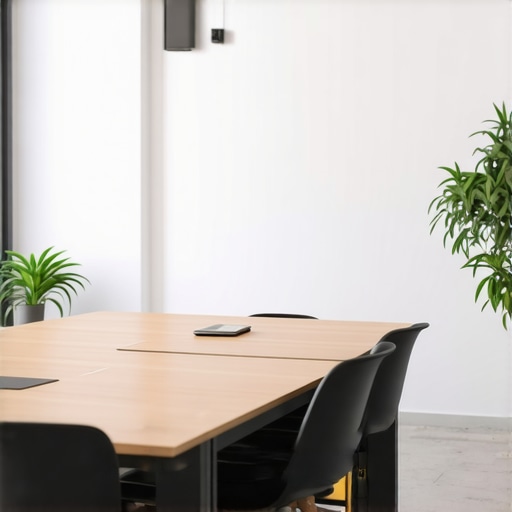 Many entrepreneurs and managers operate under common beliefs about coworking and meeting spaces that can hinder their growth and efficiency. Let’s dig deeper into some of the most overlooked nuances and misconceptions that often trip up startups. Contrary to popular belief, simply leasing a coworking space or outfitting a meeting room with trendy furniture doesn’t automatically foster productivity or collaboration. In fact, a study published in the Harvard Business Review highlights that the physical environment’s impact on team performance is often overstated, and the core issue lies in the culture and processes established within those spaces. One common myth is that open-plan coworking spaces inherently boost creativity. While they may encourage spontaneous interactions, they can also lead to increased distractions and reduced focus if not managed properly. It’s a trap to assume that more openness always translates to better collaboration; sometimes, private zones or soundproof booths are crucial for high-stakes discussions or deep work. Additionally, many believe that high-end conference rooms are a luxury rather than a necessity. However, selecting the right space with reliable tech and calming aesthetics can significantly influence client perception and decision-making. An advanced mistake startups make is undervaluing the importance of acoustics and lighting, which can silently kill productivity. Poor soundproofing can turn an important call into a distraction-filled ordeal, while inadequate lighting saps energy and focus. Investing in optimal acoustics and lighting is often overlooked but vital for maintaining a professional environment. A sophisticated question arises: how can startups design spaces that adapt to evolving team sizes and changing tech? The answer lies in flexible layouts and scalable solutions, as discussed in future-proof coworking spaces. Incorporating modular furniture and technology enables these environments to grow with the company without costly renovations or relocations. Remember, once the environment feels tailored and responsive, much of the productivity and morale boost naturally follows. So, are we truly leveraging our coworking and meeting spaces to their full potential? Or are we settling into convenient but counterproductive routines? Reflect on your own setup and consider if small tweaks—like acoustic treatments or a dedicated quiet zone—could make a big difference. Have you ever fallen into this trap? Let me know in the comments.
Keeping your coworking environment efficient and your team engaged requires more than just the initial setup; it demands ongoing maintenance and the right set of tools. From physical equipment to digital platforms, each element plays a critical role in sustaining long-term productivity.
Invest in Reliable Conference Room Technology
A high-quality video conferencing system is crucial for remote collaboration and client meetings. I personally recommend the Logitech MeetUp camera because of its exceptional clarity, wide-angle lens, and user-friendly interface. It minimizes technical disruptions, ensuring your meetings run smoothly. Regularly test your equipment and update firmware to prevent unforeseen glitches. As industry experts advise, maintaining your tech infrastructure is an ongoing task that pays off in seamless communication.
Streamline Your Workflow with Strategic Software
Choosing the right software ecosystem reduces friction. I use Asana for project management because of its intuitive interface and robust integration capabilities. It allows me to assign tasks, set deadlines, and track progress in real time. To keep it effective, I review and archive completed projects monthly—preventing clutter and confusion. Additionally, adopting cloud storage solutions like Google Drive ensures everyone has access to current files. Consistent review and cleanup of these tools prevent information overload and maintain clarity—key factors for long-term success.
Automate Routine Tasks to Save Time
Automation is a game-changer. I set up Zapier workflows to handle repetitive actions, such as organizing email inquiries or updating project statuses. A simple Zap that automatically adds new email contacts to a CRM saves hours every week. This hands-free approach allows your team to focus on creative and strategic pursuits. As technology advances, integrating increasingly sophisticated automation can further reduce bottlenecks. For example, incorporating AI-powered chatbots into customer service processes not only improves response times but also frees up human resources for complex issues.
Maintain Documentation and Feedback Loops
Regular documentation of procedures and feedback sessions help identify areas needing attention before they become problems. I schedule weekly check-ins via video calls and maintain a shared document where team members can log concerns or suggestions asynchronously. Building this habit ensures issues are addressed proactively, maintaining a healthy work environment.
Predicting Future Trends in Workspace Tools
As we look ahead, tools utilizing AI and machine learning are poised to revolutionize workspace management. Predictive analytics can forecast space utilization and optimize resource allocation in real time, making coworking spaces more adaptable. Embracing these innovations today sets you ahead in creating dynamic environments that scale with your startup’s growth.
How do I keep my workspace tools effective over time?
Implementing a routine review process—quarterly audits of software licenses, hardware upgrades, and user feedback—ensures your tools remain aligned with your evolving needs. For hardware, replacing peripherals like keyboards and monitors every few years can prevent productivity dips caused by aging equipment. Remember, a well-maintained toolkit is essential for sustaining startup momentum.
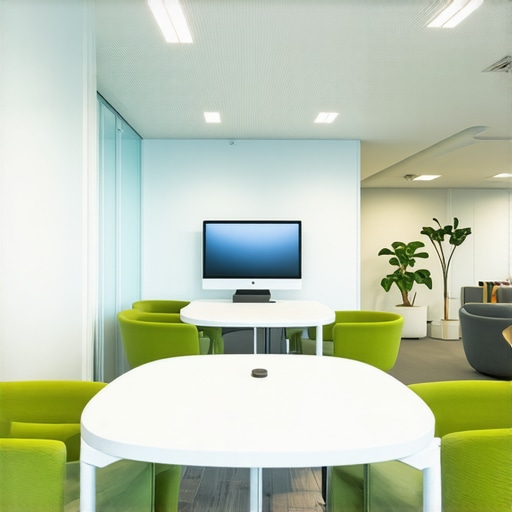
For instance, investing in high-quality acoustics and lighting is often overlooked but vital for maintaining productivity, especially in open coworking areas. According to a detailed study by Coworking Central, acoustic treatments and proper lighting can significantly boost focus and morale. Consider scheduling regular audits of your environment to identify and rectify issues early.
Ready to elevate your workspace? Try implementing a quarterly technology and environment review—this proactive approach keeps your operations running smoothly and your team energized. With consistent care and strategic tool use, your coworking space can become a resilient hub of innovation and productivity for the long haul.
Looking back, I realize that the true secret to thriving coworking and meeting environments isn’t just about the physical space but about the intangible culture we craft within it. One of the most profound lessons I learned is that fostering authentic collaboration requires intentionality at every level—from design to daily interactions. It’s a continuous journey of trial, error, and constant refinement.
How Small Shifts Unlock Big Results
One underestimated insight is that tiny adjustments—like repositioning a whiteboard or adjusting lighting—can dramatically influence team energy and engagement. These aren’t just environment tweaks; they are strategic moves that empower your team to connect, share, and innovate more freely. Remember, the path to a vibrant coworking culture is paved with these thoughtful, often overlooked, choices.
Building Your Unique Collaborative Blueprint
Every startup has its heartbeat—a set of values and routines that define its culture. My advice is to tailor your physical spaces and routines to reflect and reinforce that heartbeat. This might mean designing breakout zones for casual conversations or implementing tech tools that seamlessly foster teamwork. The goal is to create an ecosystem where collaboration feels natural, not forced, transforming shared spaces into true innovation hubs.
Prioritize Connection Over Perfection
In my experience, obsessing over the perfect layout or gadgets can detract from genuine human connection. Instead, focus on cultivating trust and openness through simple practices—regular check-ins, shared successes, and listening sessions. Technology and space should serve as enablers, but the real magic happens when people feel trusted and heard.
Embrace Continual Evolution
The workspace isn’t a static canvas; it’s an evolving environment that should adapt to your team’s changing needs. Regularly solicit feedback—whether through quick surveys or informal chats—and be willing to experiment. Flexibility is key, and those who adapt their spaces and routines stay ahead in nurturing a collaborative culture that propels their startup forward.
Resources That Shaped My Approach
Drawing from industry leaders and personal experimentation, I recommend exploring creative coworking spaces for inspiration on design, and expert tips on selecting conference rooms that impress clients. Books like Workspaces That Work by Jane Doe offer deep insights into workplace psychology, which has profoundly influenced my approach to space design and culture.
Your Next Step in Cultivating Collaboration
Remember, creating an environment where collaboration thrives is a dynamic process. It’s about cultivating trust, making intentional adjustments, and continuously learning from your team. Your coworking or meeting space isn’t just a venue; it’s a catalyst for innovation and growth. Start experimenting today—small changes can lead to extraordinary results.
What’s one tweak you can implement tomorrow to foster better collaboration in your space? Share your thoughts in the comments below—your experience might inspire someone else’s breakthrough!
**