
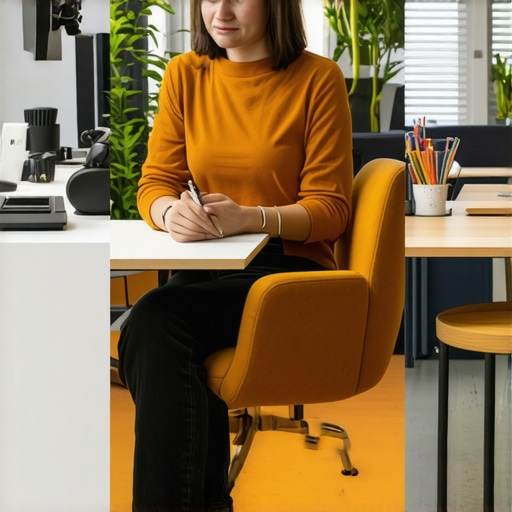
Ever been in a meeting or coworking space and felt that unsettling sense of disconnection? I remember the sudden realization hit me during a packed startup event in a bustling co-working hub. Surrounded by energetic entrepreneurs, yet feeling utterly out of place—like I was trying to squeeze into a suit that just didn’t fit. That lightbulb moment made me question: how much does our workspace actually align with who we are? And more importantly, how can we pick environments that truly amplify our strengths instead of draining them?
Your Space, Your Identity
For years, I believed that a workspace was just a neutral background—a place to sit, type, and attend meetings. But I soon learned that the environment profoundly influences productivity, creativity, and even our overall well-being. Choosing a workspace that matches your personality isn’t about following trends; it’s about understanding yourself. Are you an introvert who needs quiet corners? Or an extrovert thriving in vibrant communal areas? Pinpointing your natural inclinations can make all the difference in how you work and feel during those crucial hours of the day.
Is the Hustle Culture Overhyped?
Early in my journey, I made the mistake of jumping into the hottest coworking space in town because everyone seemed to rave about it. Turns out, the constant hustle and noise completely zapped my energy and killed my focus. I found myself despairing and questioning if I was just not cut out for startup life. That’s when I realized that what works for one person might be a nightmare for another. Recognizing and respecting your personality style is key. Do research to find environments tailored to different working styles, like those highlighting spaces that foster innovation and collaboration or private retreats for deep work.
If you’ve ever struggled with choosing the right workspace or felt overwhelmed by options, you’re not alone. The good news is, with a bit of self-awareness and strategic planning, you can find a space that doesn’t just hold your laptop but actually inspires you to do your best work. Let’s dive into how to match your personality with your ideal workspace, so your environment becomes an asset rather than an obstacle.
Identify Your Working Style
Begin by analyzing your daily work habits. Do you thrive in silence or need background noise? Are you energized by collaborative spaces or do you prefer solitude for deep thinking? To clarify this, reflect on past projects: when did you feel most engaged and productive? For example, I realized I work best in environments with minimal distractions, which led me to seek out quiet areas within coworking hubs instead of bustling open spaces. This self-awareness is crucial to choosing the right environment.
Research Workspace Options Strategically
Assess Different Environments
Visit various coworking spaces and observe their design, noise levels, and community. Use online resources to compare amenities and culture. For instance, I toured three coworking spots; the first was noisy and crowded, which drained me, but the second had soundproof booths and private rooms. Prioritize spaces that align with your preferences—quiet zones for deep work or lively lounges for networking. Consider spaces that foster innovation and collaboration by reviewing these inspiring meeting rooms.
Test Drive Before Committing
Many coworking centers offer trial periods or day passes. Spend time working there to assess comfort, Wi-Fi stability, and overall vibe. I spent a day in a coworking space that looked perfect online but was too noisy for focused work—I learned my lesson to test environments firsthand instead of relying solely on reviews.
Match Space Features to Your Needs
Identify essential amenities for your work—fast internet, private phone booths, or presentation rooms. For example, during a crucial project, I needed a meeting room with reliable tech. I used these vetting tips to ensure the space supported my requirements. This avoided last-minute tech frustrations and kept my presentation smooth.
Craft a Routine Around Your Environment
Once you’ve selected an ideal workspace, develop habits to maximize its benefits. If you prefer morning deep work sessions, arrive early to secure a quiet corner. Schedule meetings during peak social hours to avoid distraction. By creating a consistent routine tailored to your environment, you build momentum and make the space an extension of your workflow.
Adjust and Reassess Regularly
Your preferences may evolve as your startup grows. Regularly evaluate if your current space still supports your needs. Perhaps a location that was ideal in the early stages becomes restrictive as team size increases. Don’t hesitate to switch environments or incorporate new tools like better conference room setups to adapt.
By systematically analyzing your working style, researching environments, testing options, and customizing routines, you create a workspace that fuels productivity and innovation—integral ingredients for startup growth. Remember, your environment isn’t passive; it actively shapes your outcomes, so choose wisely and regularly refine your setup.
While it’s easy to assume that selecting a coworking space or conference room is simply about proximity, amenities, or aesthetics, the real nuance lies beneath surface-level considerations. Many entrepreneurs fall into common traps, believing that any well-decorated room will spark innovation or productivity. However, the truth is, subtle factors like room acoustics, spatial flow, and environmental psychology significantly influence your team’s performance. For instance, a study published in the Journal of Environment and Behavior highlights how poor acoustics can decrease cognitive function by up to 30%, affecting decision-making and creativity.
One pervasive myth is that high-tech conference rooms automatically boost professionalism. In reality, high-tech setups without consideration of layout can create barriers to engagement and collaboration. For example, overly complex tech setups may intimidate guests or hinder spontaneous discussions. It’s crucial to understand that room design should prioritize human interaction and comfort over mere gadgets. Innovative meeting rooms that foster creativity often incorporate flexible furniture, natural lighting, and soundproof zones—elements that facilitate organic conversations and deep work alike.
What advanced pitfalls should startups watch for in meeting room selection?
Beyond the basics, a common oversight involves ignoring the room’s influence on group dynamics. For example, seating arrangements can inadvertently reinforce hierarchies or inhibit participation. A subtle but powerful technique is to arrange seats in a circle or a cluster to promote equality and openness. Additionally, lighting conditions and air quality are often overlooked but are critical for maintaining alertness and morale. Smart environmental controls, such as circadian lighting, can enhance energy levels, as suggested in a report by Harvard’s Harvard Kennedy School.
Lastly, many startups underestimate the importance of integrating spaces within their broader ecosystem. A conference room isolated from other collaborative areas can dampen spontaneous interactions, which are often the birthplace of innovation. Leveraging the future of conference rooms in startup ecosystems means designing environments that encourage serendipitous encounters and cross-team dialogue.
In conclusion, the hidden nuance is that what seems minor—the room’s acoustics, layout, environmental controls—can make or break your startup’s collaborative culture. Be mindful of these details, and you’ll create spaces that truly support your team’s most innovative efforts. Have you ever fallen into this trap? Let me know in the comments.

Keep Your Workspace Working for You
Maintaining an effective and inspiring workspace isn’t a set-it-and-forget-it task; it requires strategic tools and consistent routines. For startups and entrepreneurs, leveraging the right equipment and software can dramatically improve productivity and foster growth over time. One of my favorite tools is Notion — I use it as a centralized hub for project management, documentation, and even meeting notes. Its flexibility means I can customize workflows for different team sizes and projects, ensuring nothing slips through the cracks.
Another essential is Grain, a tool I rely on to record and clip key moments during meetings. This allows me to revisit discussions, assign action items, and keep remote members aligned. For shared spaces, I’ve found EcoMind helpful to monitor room acoustics and lighting, which directly impacts focus and morale. Regularly reviewing and adjusting the environment with these tools ensures long-term effectiveness.
Investing in quality equipment also pays dividends. I personally upgraded to an ultra-fast Wi-Fi connection and a noise-canceling microphone, which helped me maintain professionalism and clarity during critical client calls. Over time, these tools become an invisible backbone supporting your daily operations, making scaling and long-term success achievable.
Where do I focus my maintenance efforts?
Keeping your workspace and tools in tip-top shape requires regular audits. Schedule quarterly reviews of your tech setup, updating software and replacing worn equipment. Also, cultivate a feedback loop with your team—encourage honest input on what’s working and what’s not. This proactive approach prevents small issues from snowballing into major disruptions, especially as your startup scales.
Looking to the future, automation will play a growing role. Expect AI-driven project management tools like these innovative solutions to take on more routine tasks, freeing you to focus on strategic growth. Preparing now by integrating adaptable tools can make this transition smoother and more sustainable.
How do I sustain my workplace systems over time?
Implement a routine to perform regular equipment checks, software updates, and workspace evaluations. Use checklists and calendar reminders to stay disciplined. Encourage your team to report issues promptly and share ideas for improvements. This ongoing maintenance ensures your environment remains a catalyst for innovation, not a barrier.
Finally, consider developing a scalable toolkit for your workspace—each component adaptable to your company’s growth. For instance, as your team expands, moving from shared desks to private zones might be necessary. Early planning with flexible options can save costs and reduce disruptions down the line. Explore these scaling strategies for guidance on future-proofing your environment.
Remember, maintaining your workspace isn’t a one-time effort; it’s a continuous process that evolves with your startup. Invest in the right tools, schedule regular check-ins, and stay flexible. For example, try setting up automated reminders for equipment maintenance and software upgrades—like a simple automation that can save you time and headaches.
Embrace these practices, and your workspace will support your growth—adapting seamlessly as your startup scales. Start by assessing your current tools and scheduling your first routine review today. The initial effort will pay off in long-term stability and efficiency.
Looking back, one of the most underestimated lessons I learned about startup environments is that the right workspace can be a catalyst for innovation or an obstacle waiting to happen. Early on, I believed that any space would do—just a table, a chair, and some Wi-Fi. But the more I immersed myself in the startup scene, the clearer it became that every detail, from acoustics to layout, subtly influences our team’s energy and creativity.
Lessons the Walls Don’t Spell Out
One lightbulb moment was realizing that flexible furniture and natural light don’t just make spaces Instagram-worthy; they actually boost productivity and happiness. I once dismissed the importance of room flow until a misstep in layout caused spontaneous disagreements during team meetings. Small adjustments—like repositioning furniture and creating designated zones—transformed the atmosphere entirely. These are lessons I wish someone had shared earlier: the environment shapes behaviors in ways beyond aesthetics.
My Mental Map for a High-Impact Workspace
Over time, I curated a mental checklist when scouting spaces: Is there a quiet corner for strategic thinking? Are there breakout zones that spark collaboration? Do lighting and acoustics foster focus or distraction? These nuanced factors often go unnoticed but carry immense weight in day-to-day efficiency. Trust me, investing time in evaluating and customizing your workspace pays dividends in team morale and output.
Resources That Made My Space Smarter
From immersive design books like Biophilic Design: The Architecture of Life—which deepened my appreciation for incorporating nature into workspaces—to tools like those innovative meeting rooms that foster creativity, each resource has enhanced how I approach workspace design. These tailored insights have been instrumental in building environments that inspire.
Embrace the Change, Build Your Future
Remember, creating your ideal startup workspace isn’t a one-off project; it’s an ongoing process driven by awareness and adaptability. Take small steps—adjust lighting, experiment with furniture arrangements, or add plants—and observe how your team responds. Every tweak nudges your environment closer to a ‘home’ that fuels your mission. So, start today, and watch your space transform into your greatest asset.
What unexpected feature in your workspace has had the biggest positive impact? Share your stories below—let’s learn from each other’s experiences!