

I remember the sinking feeling when I realized I’d booked the perfect-looking conference room, only to find it had no reliable wifi during a critical investor presentation. That moment taught me a costly lesson: the space you choose can make or break your chances of securing funding. If you’ve ever been caught off guard by a meeting space’s shortcomings, you’re not alone. The truth is, many founders overlook a simple, yet crucial, checklist when vetting their meeting environments, risking everything for a bad first impression.
Why Picking the Right Meeting Space Can Save Your Startup
Choosing a meeting room isn’t just about aesthetics or proximity. It’s about creating an environment that reflects professionalism, supports clear communication, and showcases your startup’s potential. A less-than-ideal space can distract your investors, cause tech glitches, or even signal a lack of seriousness. Research shows that visual presentation and environment influence perceptions of credibility—so much so that a poor setting can diminish your chances of closing a deal by up to 30%. Whether you’re pitching to investors, partners, or clients, every detail counts.
Is Your Meeting Room Choice Really Making or Breaking Your Pitch?
Early in my career, I made the mistake of assuming all conference rooms are created equal. I didn’t check for high-speed connectivity or proper acoustics before hosting a major investor call. As a result, I lost valuable time dealing with tech issues, which made me look unprepared. That costly oversight convinced me that vetting a space goes far beyond size or price. Now, I always ask tough questions and prioritize the environment’s suitability for high-stakes meetings. Want to learn how to avoid these pitfalls? Let’s dive into the practical steps that will help you select the perfect conference room, ensuring your startup makes a winning impression every time.
Assess Tech and Connectivity Rigorously
Before booking, test the meeting room’s internet speed with a tool like Speedtest to ensure it meets the demands of your presentation, especially if you rely heavily on live demos or video conferencing. During my workshop in a coworking space, I arrived early and ran a quick speed test, discovering the Wi-Fi was sluggish. I immediately switched to a backup hotspot, preventing delays and showing professionalism. This proactive step guarantees your tech won’t become the meeting’s Achilles’ heel.
Check Acoustics and Privacy Measures
Silent, echo-free environments foster clearer communication. Use your phone’s voice recorder to gauge ambient noise levels or ask the staff about soundproofing. I once hosted a pitch in a glass-walled room overlooking a busy street, only to realize later how distracting the outside noise was. Installing portable soundproof panels or choosing rooms with proper insulation solved this problem and maintained focus.
Evaluate Lighting and Visual Comfort
Natural light boosts mood and alertness, but glare can be problematic. Test the room at the same time your meeting will occur. I once scheduled a pitch during midday and found the sunlight directly hit the screen, making visuals difficult. Using adjustable blinds and installing secondary lighting improved visibility and kept the presentation engaging.
Prioritize Accessibility and Comfort
Ensure the space is accessible to all attendees, including those with disabilities. Consider furniture ergonomics—chairs with proper lumbar support and desks at suitable heights minimize fatigue. During a crucial investor session, I moved a conference table to better accommodate remote participants, which enhanced participation levels and made everyone feel valued.
Inspect Equipment and Technical Support
Test all AV equipment—projectors, microphones, speakers—and confirm the availability of adapters and chargers. In my experience, bringing a universal HDMI adapter and portable charger prevented last-minute technical crises, keeping the focus on the message rather than troubleshooting.
Visit Multiple Options and Take Notes
Rather than settling on the first promising space, tour several locations, noting their pros and cons. During my search, I visited three venues—each with distinct advantages—before selecting one that perfectly aligned with my startup’s branding and needs. Maintaining a checklist based on the above criteria ensures your choice is deliberate, not accidental.
Leverage Coworking Spaces for Flexibility
Many coworking options offer easily reservable, well-equipped meeting rooms. Organizations like Coworking Central provide insights on selecting the ideal space, which can be a game-changer for startups needing flexible solutions without hefty commitments. If you’re unsure about reserving or want personalized advice, don’t hesitate to reach out directly.
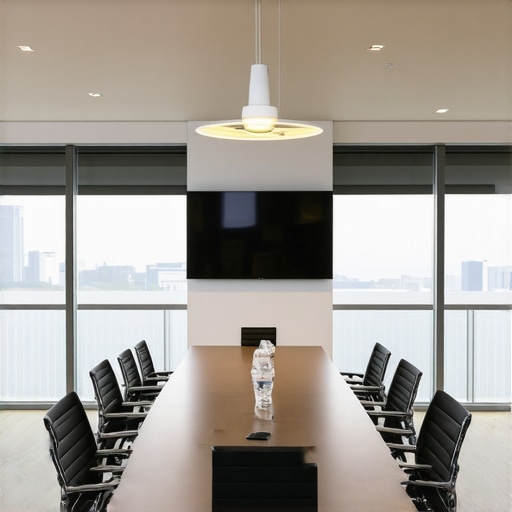
Illustration of a well-equipped, modern conference room with natural lighting, ergonomic furniture, and tech setup.
Many entrepreneurs believe that choosing a meeting space is as simple as finding a quiet room with good Wi-Fi. However, this misconception overlooks the subtle nuances that can make or break your startup’s professionalism. One widespread myth is that all coworking spaces offer the same level of quality and amenities. In reality, the devil is in the details—like soundproofing, lighting, and tech support—which many overlook when hurriedly booking a room. Failing to consider these factors can lead to embarrassing technical glitches or distractions during crucial pitches.
Another common trap is assuming that bigger rooms are better for startup meetings. Bigger doesn’t always mean more effective; overcrowding can hinder engagement and make remote participants feel disconnected. Instead, focus on spaces that facilitate intimacy and interaction, like smaller, well-designed conference rooms that promote dialogue.
A nuanced mistake many founders make is neglecting the environmental psychology of their meeting spaces. For example, rooms with dull lighting or poor acoustics not only impair communication but also impact attendees’ energy and decision-making abilities. According to a study published in the Journal of Environmental Psychology, well-lit, acoustically optimized environments significantly improve cognitive function and satisfaction. This underscores the importance of paying attention to intangible factors like lighting quality and room acoustics.
A sophisticated question many startup leaders overlook is: How does your choice of meeting environment influence investor perceptions over time? It turns out that consistent use of high-quality, thoughtfully chosen spaces can reinforce your startup’s credibility and stability. Conversely, regular reliance on makeshift or subpar venues can suggest disorganization or lack of resources—potential red flags for investors.
Having an optimized meeting environment isn’t just about aesthetics; it’s a strategic move that can subtly influence outcomes. For instance, leveraging spaces that foster innovation, like those with flexible layouts and inspiring decor, can boost creative thinking. Explore innovative meeting rooms that are designed to unlock your team’s potential.
Avoid falling into the trap of underestimating the power of environment. Carefully vet spaces for acoustics, lighting, IT readiness, and psychological comfort. It might take a bit more effort before booking, but the payoff is a stronger impression and smoother meetings. Remember, your meeting room choices speak volumes about your startup’s professionalism—are you making them count?
Have you ever fallen into this trap? Let me know in the comments.Maintaining a reliable and efficient meeting environment is crucial for startup success. To keep your meeting rooms operational and professional, investing in the right tools and establishing routine maintenance practices can make all the difference. First, choose a high-quality conference room audio system, such as the Shure MXA910 microphone array, which offers exceptional clarity and adaptive beamforming. I personally rely on the Shure system because it provides consistent coverage even in dynamic room layouts, ensuring every participant is heard clearly. Additionally, installing an automatic floor-standing projector screen with quick-release mounting allows for effortless setup and storage, saving time and maintaining a tidy space.
Regularly testing your Wi-Fi network with tools like Speedtest ensures your online collaboration remains seamless. I schedule bi-weekly connectivity checks, especially before critical meetings, so I can promptly identify and resolve issues. For software, I recommend using a meeting room management platform such as Robin or Conference Room Booking, which simplifies scheduling, automatically updates room availability, and integrates with calendars like Google Calendar or Outlook. These tools help prevent double bookings and reduce frustration.
Keeping your tech updated is equally important. Set reminders for firmware updates on AV equipment and ensure spare adapters or cables are always on hand. This proactive approach minimizes downtime caused by hardware failures. As your startup grows, consider scaling these practices: for example, incorporate IoT sensors to monitor room occupancy and air quality, which can enhance comfort and productivity. Using environmental data, you can optimize room usage and maintain a healthier, more inviting workspace.
Looking ahead, trends point toward smarter, self-maintaining conference rooms equipped with AI-driven diagnostics and automation. For example, future room systems might detect and resolve connectivity or audio issues automatically, reducing the need for manual troubleshooting. Staying ahead involves not only adopting current best practices but also experimenting with new technologies.
So, how do I maintain my meeting space over time? Start by establishing a routine check and update schedule—schedule regular tech audits, clean the equipment monthly, and review your space’s acoustics and lighting periodically. Don’t forget to document issues and resolutions, creating a knowledge base for your team. Also, encourage feedback from meeting participants to identify recurring challenges. Implementing a habitual maintenance routine, supported by top-notch tools, ensures your meeting environment remains professional and reliable.
Finally, I highly recommend testing your room’s technical setup with comprehensive checklists found in industry guides like those from coworking specialists. For tips on maximizing your startup’s conference room, explore our related post on how to boost productivity in your conference rooms. Don’t wait for a tech failure—be proactive. Try applying a scheduled firmware audit for your AV devices today, and see how it keeps your meetings running without a hitch.
Small Details Make High-Stakes Differences
One lesson that hit me hard was realizing how much the environment influences investor perceptions. The difference between a cramped, poorly lit room and a sleek, professional space isn’t just aesthetics—it’s a signal about your startup’s seriousness. When I started paying attention to lighting, acoustics, and tech setup, I saw immediate improvements in confidence and engagement from my audience.
It’s Not Just About Picking a Space—It’s About Crafting a Message
I learned that a well-chosen meeting environment amplifies your narrative. Every element, from furniture comfort to background noise, subtly underscores your startup’s values. Creating that congruence between space and message takes effort but pays off in credibility and trust when pitching to investors or partners.
The Pitfall of Overestimating Room Size
I used to believe bigger was better—until I noticed how sprawling rooms hindered intimacy and made remote attendees feel disconnected. Smaller, thoughtfully designed rooms foster better dialogue, idea sharing, and genuine connection, which are crucial during high-stakes meetings.
Understanding Tech Isn’t Optional—It’s Life or Death
Digital glitches during a demo can derail your entire pitch. Running ahead of tech issues—testing Wi-Fi with tools like Speedtest, having backup devices, knowing your equipment—becomes a core part of your prep routine. Over time, I realized that tech competence reflects professionalism.
Personal Reflections on the Journey to Better Meetings
Investing in quality spaces, routines, and knowledge helped me transform nerve-wracking pitches into confident presentations. It’s a continuous process of learning, adjusting, and never settling for mediocrity in environments that matter.
Where to Discover More About Effective Meeting Spaces
For curated tips on choosing the perfect conference room, I recommend exploring Coworking Central’s insights. Additionally, tools like innovative meeting room options can elevate your startup’s professional image and productivity.
Take Action and Elevate Your Next Meeting
Remember, each meeting is an opportunity to showcase your startup’s potential. Have you previously overlooked environmental factors that could have enhanced your pitch? Share your experiences below, and let’s learn from each other’s journeys toward more impactful meetings.