
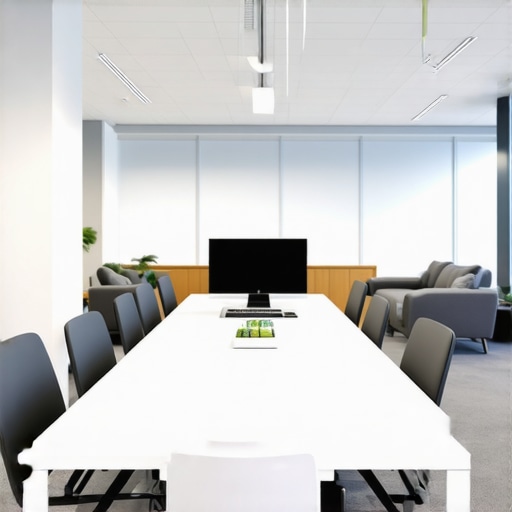
I remember one afternoon, sitting in a tiny, cluttered conference room, feeling more like I was in a closet than a command center. The whiteboard was half-erased; the chairs squeaked under every shift. It struck me—this space wasn’t reflecting the energy and vision of my startup. That lightbulb moment made me realize: if I wanted my team to feel like we were building something big, my office environment had to match that ambition.
Why Your Office Setup Can Make or Break Your Startup’s Success
As entrepreneurs and startup founders, we often focus on product-market fit, funding, or marketing strategies. But surprisingly, the physical environment where your team works plays a pivotal role. An inspiring, well-designed space can boost creativity, foster collaboration, and even attract top talent. Conversely, a cramped, uninspiring office stifles growth and dampens morale.
The good news? You don’t need a sprawling campus to craft a headquarters vibe. Small tweaks can make your satellite office feel like a powerhouse hub. I’ll share what I’ve learned—from personal missteps to proven tactics—so you can create a space that energizes your team and impresses visitors.
Is It Really Worth Investing in Your Office Environment?
Early on, I thought I could overlook the design. For months, I believed that only the product mattered. Turns out, I made a critical mistake—neglecting the workspace environment. This oversight initially cost us in productivity and team cohesion. Now, I know that transforming a modest office doesn’t require deep pockets, but strategic vision.
One fascinating fact supports this: according to a study by Steelcase, employees in well-designed workspaces report 13% higher productivity. That adds up quickly when you consider the compounded benefits. Want to learn how to avoid my early pitfalls and craft a space that propels your startup forward? Keep reading, because the next steps will give you practical ideas to elevate your office environment without breaking the bank.
Design with Purpose, Not Just Aesthetics
Begin by assessing your current workspace. Pinpoint areas that dampen energy or hinder collaboration. For example, I once took a weekend to clear out clutter and replaced outdated furniture with ergonomic, vibrant pieces. The result? Team members reported feeling more motivated and focused. Think of your office as a canvas—each element should serve your startup’s goals, whether fostering creativity or efficiency.
Create Zones That Promote Focus and Collaboration
Separate Quiet and Social Areas
Use physical barriers like shelves or rugs to define zones. I transformed a corner into a cozy quiet nook by adding a bookshelf and acoustic panels, which became my team’s favorite spot for deep work. Conversely, a communal area with whiteboards and lounge chairs encourages spontaneous brainstorming sessions. Balancing these spaces prevents distractions and nurtures productivity.
Choose Multi-Functional Furniture
Invest in foldable tables or modular seating that adapts to your needs. During a sprint planning session, I rearranged our chairs into clusters effortlessly, fostering intimacy and open dialogue. This flexibility keeps the environment dynamic and tailored to your daily priorities.
Leverage Technology to Enhance Interactions
Equip meeting rooms with high-quality screens, whiteboards, and reliable Wi-Fi. I learned this firsthand when hosting investor calls; poor sound quality caused confusion. Upgrading our tech not only improved communication but also projected a professional image. Regularly audit your equipment to ensure it remains up-to-date and functional.
Reflect Your Brand’s Identity Throughout
Use colors, artwork, and decor that resonate with your startup’s mission. I painted our walls in energetic hues and displayed posters from team-building events, creating a sense of pride and belonging. This visual consistency boosts morale and reinforces your culture to visitors.
Optimize Meeting Room Efficiency
Standardize Booking Procedures
Implement a simple scheduling system to prevent double bookings. I integrated an online calendar linked to our team chat, which cut down on last-minute conflicts. Clear policies and accessible bookings keep meetings flowing smoothly.
Enhance Room Functionality
Ensure rooms have necessary supplies—markers, notepads, chargers. When I added a portable whiteboard and charging stations, ad-hoc meetings became more productive. Regularly evaluate room needs and adapt accordingly.
Build a Culture of Appreciation for Your Space
Encourage team members to personalize their areas and keep shared spaces tidy. I initiated monthly cleanup challenges, which fostered ownership and pride. A well-maintained environment reflects your startup’s values and motivates everyone to contribute.
 Many entrepreneurs assume that merely having a fancy conference room or trendy coworking space guarantees startup success. However, this misconception can lead to costly mistakes and misallocated resources. Let’s dig deeper into some common myths and reveal the nuances that can make or break your environment’s effectiveness.
First, a prevailing belief is that bigger, more expensive conference rooms automatically foster better collaboration. In reality, size and cost don’t equate to productivity. An oversized room can become a dead space if it’s seldom used or if the acoustics are poor. Instead, focus on designing adaptable spaces that promote engagement, which may include smaller breakout rooms or flexible furniture setups. For insights on optimizing meeting spaces, see how innovative room design can boost startup creativity.
A frequent trap startups fall into is equating coworking memberships with immediate growth, assuming that being in a trendy space will attract clients or investors by itself. But without clarity in purpose and strategic use, coworking can become a distraction. Effective space usage involves intentional activity zones and understanding that location must complement your branding and team dynamics, not replace them.
Advanced startups often overlook the significance of technology integration within these spaces. Outdated or insufficient tech can hinder high-stakes discussions, regardless of how appealing the room looks. Reliable high-speed connectivity, quality audio-visual equipment, and ergonomic setups are non-negotiable for impactful meetings. For tailored advice on this, explore how top-tier conference rooms are evolving to meet startup demands.
The hidden nuance that many miss involves the psychological impact of space design. A well-thought-out environment that reflects your startup’s identity energizes teams and signals professionalism to visitors. Conversely, neglecting this can create a disconnect, hampering morale and external perception. The key is intentionality—aligning aesthetics with function and brand values.
Beware of the trap of assuming that shared spaces are inherently less private or productive. Properly designed confidential zones and soundproofing can support sensitive conversations while fostering community engagement. This approach maximizes the utility of limited real estate, especially in premium coworking environments.
A sophisticated question often ignored by startups is: how can space design influence innovation? Creating areas that facilitate serendipitous encounters and cross-team interactions can spark creativity. For example, some companies retrofit common areas with flexible furniture that encourages spontaneous discussions—like in the joint venture between coworking spaces and startups showcased here.
Investing in understanding these nuances and deliberately designing your conference and coworking environments can significantly impact your startup’s trajectory. For further strategies on choosing the right spaces, check out how to select the perfect conference room for your needs.
Have you ever fallen into this trap? Let me know in the comments.Keeping your startup environment running smoothly is essential for sustained growth. I personally rely on a combination of specific tools and methods that streamline operations, enhance collaboration, and ensure long-term efficiency. One indispensable software I use is Asana. It helps me assign tasks, set deadlines, and track project progress transparently, which keeps my team aligned even when working remotely. For real-time communication, Slack remains my go-to because of its integrations with other tools and the ability to create dedicated channels for different projects or teams, fostering clear and organized conversations.
To manage meetings effectively, I implement the Calendar Lockdown Technique. This involves scheduling focused blocks of time, during which I prevent any interruptions, using tools like Google Calendar with custom reminders. This practice ensures crucial planning sessions or brainstorming periods aren’t diluted by constant distractions, which is vital in fast-paced startup settings.
Another crucial method I advocate is regular workspace audits. I schedule bi-monthly reviews of the physical environment and digital workflows to identify bottlenecks or outdated setups. This proactive approach minimizes downtime and keeps the atmosphere energetic and conducive to innovation. For instance, upgrading to ergonomic furniture or switching to faster Wi-Fi, as discussed in this resource, can have an immediate positive impact.
Looking forward, I predict that automation tools will increasingly dominate day-to-day operations, reducing manual tasks and freeing up your team to focus on strategy and creativity. Incorporating automation platforms like Zapier can connect your apps for seamless workflows—an area I am actively experimenting with to cut down repetitive work.
How do I maintain this level of efficiency over time?
The key is consistency and adaptability. Regularly assess your tools and workflows. Don’t hesitate to replace or upgrade equipment or software that no longer serves your evolving needs. Make space for team feedback about what’s working and what isn’t, and iterate accordingly.
I encourage you to try integrating project management software like Asana into your daily routine. Start with a pilot project, observe how it transforms your operational clarity, and then expand its use across your team. This small step can drastically improve your ability to keep everything working smoothly as your startup scales.
Lessons That Took Me From Surprises to Insights
One profound realization was that investing time and creativity into your workspace can yield compounding benefits that far surpass initial expectations. I once neglected small details like lighting and acoustics, only to find that these overlooked elements dramatically impacted team morale. Now, I see every decor choice and layout tweak as an opportunity to foster innovation. Another lesson learned is that flexible zones are game-changers; dedicating areas for focus versus collaboration prevents chaos and maximizes productivity. Lastly, the importance of aligning your space with your brand’s energy cannot be overstated—it’s not just aesthetic but a reflection of your company’s core values and ambitions.
Tools and Resources That Shape My Vision
To craft environments that inspire, I trust this guide on optimizing conference rooms because it combines practical tips with innovative ideas. My design choices are often influenced by examples of creative meeting spaces that push boundaries and encourage spontaneity. For seamless project management, I rely on tools that unlock collaboration channels ensuring steady momentum. Reading futuristic insights into conference environments keeps me ahead of evolving trends. And my personal favorite for inspiration? these creative coworking examples offer endless ideas to energize any startup space.
Your Next Step Starts Today
Remember, the environment you nurture is a silent partner in your startup’s success. Every tweak and strategic choice can ignite new levels of innovation, collaboration, and culture. Embrace the process of transforming your space into a dynamic, brand-aligned powerhouse—your team and future investors will thank you. Don’t wait for the perfect moment—start today, and let your workspace reflect the ambitious future you’re building. If you’re curious about how to make your conference room a hub for high-impact meetings, check out this guide on choosing the right conference room. Now, I’d love to hear—what’s the first change you plan to make to your workspace to boost startup success? Share below!