
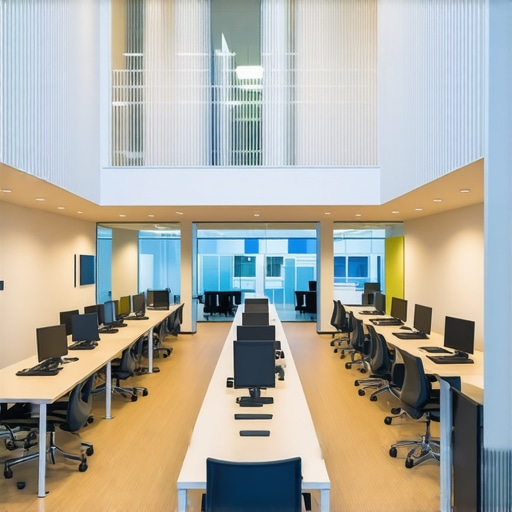
I remember the first time my startup moved into a new office. It was supposed to be a step forward, but I ended up wasting months battling noisy neighbors, poor internet, and a space that just didn’t inspire anything close to productivity. That gut-wrenching feeling of investing in the wrong place? It’s more common than you’d think, and honestly, it can be a real blocker for scaling effectively.
Too often, founders rush into leasing a space because it looks good on paper or because it’s close to home, without digging into the real story behind the walls. I learned this the hard way early on, mistaking a shiny, newly furnished room for one that could support long-term growth. Trust me, the mistake I made then—focusing only on location and price—cost me dearly in lost time and frustration.
So, today, I want to share how I revised my approach and what you can do to avoid similar pitfalls. We’ll delve into practical steps to vet your next office space, ensuring it aligns with your startup’s ambitions, culture, and scalability. This isn’t just about finding a place to sit; it’s about selecting a space that actively empowers your team to innovate and grow.
But first, let’s consider why this process is more critical now than ever. As startups aim for rapid expansion, the physical environment can either be a catalyst or a bottleneck. A poorly chosen office can sap energy, hinder communication, or even stunt your growth plans altogether. Did you know that according to a recent survey, over 60% of startups cite poorly suited work environments as a key challenge to scaling effectively? That’s a staggering figure and a reminder of how vital this process truly is.
Have you ever signed a lease only to realize the space wasn’t quite right? If so, you’re not alone. Many entrepreneurs underestimate how much a space’s hidden features and nuanced qualities can impact their business trajectory. That’s precisely why the next section will walk you through the core criteria to vet before making your move. Stay tuned—this knowledge could save you from future headaches and set you up for success.
Evaluate the Location’s Potential for Your Startup
Start with the neighborhood context—look for areas that foster networking and collaboration. Think of your office as a launchpad: proximity to other innovators increases visibility and opportunities. Visit potential sites during peak hours to gauge traffic, noise, and accessibility. Remember, a good location isn’t just about convenience; it’s about embedding your startup into a thriving ecosystem that supports growth.
Assess Infrastructure and Amenities Critical for Your Team
Ensure high-speed internet is reliable; it’s the backbone of remote collaborations and cloud-based operations. Check for essential amenities—conference rooms, private booths, and breakout areas—that match your team’s working style. Picture this: a conference room designed like a brainstorming arena can turn routine meetings into power sessions. Visit the space during working hours to observe how infrastructure supports your daily needs. For insights on maximizing conference room efficiency, see this guide.
Test Drive the Meeting Spaces for Your Specific Needs
Before committing, book a trial session in the conference room to simulate real interactions. Notice acoustics—are voices muffled or crisp? Lighting—does it foster focus or induce fatigue? This micro-story of testing a coworking space helped me realize that a poorly lit room with echoing sounds hampered my team’s presentations, leading us to seek alternatives. Clearly, space dynamics impact communication, so choose rooms that encourage clarity and confidence. For further tips on selecting the best meeting rooms, check this resource.
Examine Flexibility and Scalability Options
Startups grow fast—your office should be adaptable. Seek spaces offering short-term leases and modular setups to avoid long-term rigidity. Think of your workspace as a living organism; it needs to evolve with your team’s size and projects. During my experience, a flexible coworking spot allowed us to expand into additional rooms seamlessly, avoiding disruptive relocations. For strategies on scaling within coworking environments, visit this guide.
Prioritize Privacy and Security Concerns
Not all conversations are meant to be overheard. Discuss your confidentiality needs with the space provider—look for private meeting zones or soundproof booths. This is especially crucial for pitch talks, investor meetings, or sensitive planning. Think of your startup’s data as gold; safeguarding it starts with choosing a secure environment. During a recent office hunt, I discovered that some coworking spaces offer exclusive access areas, boosting confidence in confidential discussions. For more on safeguarding your startup’s secrets, see this article.
Analyze Network and Community Opportunities
Beyond brick and mortar, a vibrant community fuels your startup’s growth. Look for spaces hosting networking events, workshops, and startup meetups. These environments are like fertile soil—plant your ideas here and watch them grow through collaboration. During my experience, engaging with other founders in a coworking space led to partnerships that accelerated our product launch. To explore how coworking fosters innovation, see this overview.
Many entrepreneurs assume that selecting a meeting room or coworking space is straightforward—find a spot with good reviews, a reasonable price, and decent amenities. However, as an expert who has navigated countless office setups, I can tell you that there’s more beneath the surface.
One common myth is that larger or more luxurious spaces automatically lead to better productivity and networking. In reality, the complex dynamics of meeting room acoustics, layout, and even subtle environmental factors play a crucial role. For instance, poor acoustics can silently sabotage a presentation, leading to misunderstandings and frustration—something overlooked by many founders. To avoid this, consider testing the space during peak hours, not just a quick walkthrough. For tips on maximizing your conference room effectiveness, see this guide.
Maintaining an efficient and inspiring workspace requires more than just selecting the right location—it demands the right set of tools and ongoing effort. Personally, I rely heavily on a combination of hardware and software that streamline daily operations, enhance team communication, and ensure long-term sustainability. One of my go-to tools is the Jabra Engage Series of conference speakerphones. Their advanced noise cancellation technology helps my team focus during crucial video calls, especially in open coworking environments prone to background chatter. Complementing this, I use Asana for task management—its project timelines and task dependencies give my team clear visibility on ongoing projects, preventing miscommunications that can occur in dynamic coworking setups. To keep our hardware in optimal condition, I implement a routine of quarterly calibration and cleaning, which prolongs device lifespan and maintains audio/visual quality.
Looking ahead, I predict a rise in AI-powered room management systems that automatically adjust lighting, temperature, and equipment based on occupancy and usage patterns. These innovations will make spaces smarter, more adaptable, and even more efficient in the long run.
If you’re wondering,
How do I maintain my meeting spaces over time?
the answer lies in developing a dedicated protocol for regular checks, updates, and training. Schedule bi-monthly audits for your equipment, keep manuals accessible, and encourage your team to report issues promptly. Consider conducting brief training sessions every quarter to familiarize everyone with new features or tools—this keeps everyone on the same page and maximizes your investments.
In my experience, integrating a combination of reliable hardware like high-tech meeting rooms and adaptable software creates a resilient environment that can evolve with your startup’s needs. Regular maintenance isn’t just about fixing problems—it’s about proactively ensuring your workspace remains a hub of productivity and innovation.
Want to make your conference room truly future-proof? Try implementing a smart management system that learns from your team’s habits and provides real-time adjustments. Visit this article for insights on flexible space management. Start today by scheduling a maintenance audit—small steps now can save significant headaches later.Choosing the right meeting rooms, coworking spaces, and conference rooms isn’t just about picking a spot—it’s about building a foundation for your startup’s future. Over the years, I’ve learned that the most overlooked lessons often hold the key to long-term growth. One of the hardest truths I faced was realizing that a stylish space without the right environment can hinder progress more than it helps. For instance, I once prioritized proximity over noise levels, only to find my team distracted and unproductive. That experience taught me the importance of testing spaces during peak hours and considering acoustic qualities—something many entrepreneurs miss. Additionally, I underestimated the power of community-building within coworking spaces, which can accelerate networking and open doors to crucial partnerships. Remember, your space should be an active catalyst, not a passive backdrop. Investing time in detailed evaluations of infrastructure, flexibility, and community can transform your startup journey from turbulent to triumphant. Embrace these lessons, and watch your workspace evolve from mere square footage to a strategic asset that fuels innovation and growth.