

It hit me one hectic Monday morning as I sat in a crowded meeting room, desperately trying to rally my team. Despite the buzz of activity around us, I felt a disconnect. Our startup’s core values seemed lost amid the noise and fleeting interactions. That moment was my lightbulb—how do you foster a strong, cohesive culture in shared coworking environments?
Why Building Culture in Coworking Spaces Is More Critical Than Ever
In today’s fast-paced world, startups and small teams often rely on coworking spaces to save costs and stay agile. But here’s the kicker: while these environments offer great networking and flexibility, they can also dilute your company’s unique culture if you’re not careful. I learned this the hard way early on. Our team sporadically interacted, and our vision seemed to drift further from our daily work.
Research from Coworking Central indicates that startups with a physical presence are more likely to build trust and cohesion among team members. That resonated with me. I realized I was overlooking the importance of intentional culture-building strategies in these shared spaces.
So, what’s the secret? It’s about transforming those shared meeting rooms into hubs of collaboration and connection—rather than just transient work zones. With deliberate efforts, you can turn your coworking environment into a culture amplifier. Trust me, productivity and morale soar when your team feels genuinely connected, even if they’re sharing a space with others.
Are you facing struggles with keeping your team aligned in a coworking setup? If so, you’re not alone. Let’s delve into practical ways I’ve found effective to embed and scale your startup’s culture in these vibrant yet challenging environments.
Set Clear Culture Goals
Begin by defining what your startup’s core values are and how they translate into behaviors within the coworking environment. For example, if innovation is key, encourage experimentation and open dialogue. During my first month working in a shared space, I convened a quick team roundtable to articulate our values, which set the tone for subsequent interactions.
Create Rituals That Reinforce Values
Implement routine activities that embody your culture—like weekly shout-outs or daily stand-ups in the conference room. I initiated a ‘Friday Wins’ session, where team members shared successes, fostering a sense of achievement and belonging. This daily consistency cemented our shared identity amid a bustling coworking hub.
Design Meeting Rooms for Collaboration
Optimize your shared conference spaces with flexible furniture and tech tools that promote teamwork. I transformed a corner of our coworking space into a makeshift innovation zone, outfitting it with writable walls and portable tables. The result was an increase in spontaneous brainstorming sessions, boosting creative output.
Leverage Tech for Engagement
Utilize digital tools like Slack channels or project management apps to keep remote and in-space team members connected. For our team, a dedicated Slack channel for cultural initiatives kept motivation high and ideas flowing, especially when physical interactions were limited.
Foster Personal Connections
Encourage informal interactions by scheduling social events or casual coffee breaks. I organized monthly meetups in the coworking lounge, which broke down silos and built trust. These moments proved invaluable during intense project phases, where camaraderie fueled collective resilience.
Use Shared Spaces as Branding Opportunities
Decorate meeting rooms with your startup’s story and achievements to reinforce your mission. One colleague painted inspiring quotes and success metrics on the walls, turning meetings into immersive cultural exchanges. This visual reinforcement helped align daily work with long-term goals.
Monitor and Adapt Culture Strategies
Regularly solicit feedback from team members on what’s working. In my experience, anonymous surveys revealed that staff craved more structured onboarding within the coworking space, leading us to create a dedicated orientation session. Continuous adaptation ensures your culture remains vibrant and relevant.
Connect with the Community
Engage with other startups in the same space through networking events or shared projects. Attending and hosting such events increases your visibility and embeds your culture in the broader coworking community. For instance, participating in recent coworking-centric innovation challenges expanded our network and invigorated our team’s outlook.
While many entrepreneurs rush to adopt coworking spaces for their flexibility and networking potential, there’s a subtle misconception that can trip up even seasoned founders. The common belief that all meeting rooms are created equal and that physical space alone guarantees effective collaboration is misleading. In fact, most startups overlook the nuanced aspects of meeting environments that directly impact their culture and productivity. One often-overlooked aspect is the *acoustic design* of conference rooms. Poor acoustics can silently hinder communication, causing misunderstandings and frustration among team members, especially during critical strategic discussions. A study published in the jf6r Institute highlights how sound quality in meeting spaces correlates strongly with decision-making efficiency, underscoring the importance of investing in proper acoustic treatment rather than just high-end tech gadgets.
How do I keep my coworking environment running smoothly over time?
Maintaining a productive and inspiring shared workspace requires more than just initial setup. I rely heavily on targeted tools that streamline operations and foster collaboration. For instance, I personally use Slack for instant communication, setting up dedicated channels for different projects and culture initiatives. This keeps team members engaged and informed, even in a busy coworking hub.
Additionally, I utilize Asana to track ongoing tasks and deadlines. Its visual project timelines help prevent chaos and ensure accountability. I’ve found that having clear visibility into project progress minimizes misunderstandings and keeps everyone aligned.
For physical space management, I recommend systems like Cobot, which facilitate member check-ins, billing, and resource booking. As my startup grows, automating these operations reduces administrative overhead and improves member satisfaction.
Event planning is crucial for ongoing engagement. I leverage Evite for organizing community mixers and workshops, making it easy to invite members and track RSVPs. Regular social events not only build camaraderie but also reinforce the shared culture that makes coworking spaces vibrant.
Looking ahead, incorporating analytics tools will become essential for long-term success
Tools like Redash can help space managers analyze usage patterns, booking trends, and engagement metrics. This data-driven approach enables you to fine-tune your environment, ensuring it continues to meet the evolving needs of your community.
How can you maintain your coworking space’s vitality over time?
Start by integrating these tools into your daily operations, and keep seeking feedback from your members. Regularly scheduled surveys and informal check-ins help identify pain points early. Leveraging tech for continuous improvement ensures your space remains a hub of innovation and collaboration.
For inspiration on transforming your meeting rooms into dynamic collaboration hubs, consider how smart tech and thoughtful design can revolutionize your environment. Implementing these strategies is easier than you think—try adopting a project management tool like Asana today to boost your team’s coordination!
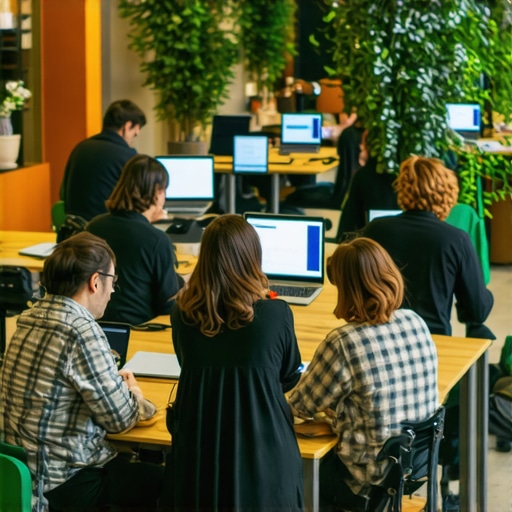
What I Wish I Knew Before Rethinking Our Coworking Culture
One of the most eye-opening lessons I learned was that physical proximity alone doesn’t cultivate culture. Sharing a space isn’t enough; intentionality matters. I once believed that having a dedicated conference room was sufficient, but I realized that without setting specific engagement strategies, the space became just another backdrop. Now, I understand that embedding cultural rituals into daily routines—like spontaneous brainstorms and visual storytelling—can turn a mere room into a hub of innovation.
Another revelation was the impact of acoustic design. Even the most advanced tech can’t compensate for poor sound quality, which silently hampers communication. Investing in soundproofing and thoughtful layout transformed our meetings from frustrating to fruitful, proving that environment design is a secret weapon for cohesion.
Lastly, I discovered that community engagement extends beyond the workspace. Building relationships with neighboring startups through shared projects and networking events not only expanded our reach but also reinforced our core values. These soft strategies created a resilient sense of belonging, proving that culture thrives on connection, both inside and outside the meeting rooms.