
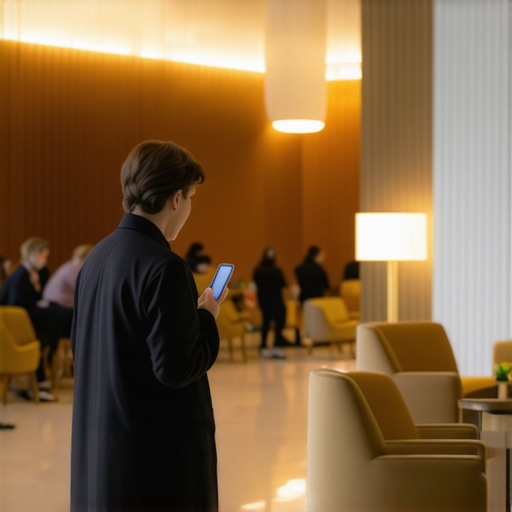
I remember my first startup conference vividly—a whirlwind of excited entrepreneurs buzzing around, business cards flying, and me standing awkwardly by the snack table, wishing I could teleport out of there. The noise, the forced small talk—that’s when I realized that traditional networking was just not my scene. It felt like trying to fit a square peg into a round hole, leaving me exhausted and unfulfilled. But then, a light bulb flickered.
What if I didn’t have to be the loudest or most outgoing person in the room? What if there was a smarter, more genuine way to connect that played to my strengths? That moment sparked my journey into mastering the lobby strategy—an approach tailored for introverts and anyone who finds typical networking draining.
Today, I want to share how this strategy transformed my networking game and how it can do the same for you. Instead of chasing after every handshake or overextending in bustling meeting rooms, I discovered the magic lies in quality over quantity. Imagine turning the often overlooked lobby area of coworking spaces or conference venues into your secret weapon for building authentic relationships.
But here’s the kicker: many founders, especially those of us who prefer listening over performing, stumble because we make simple mistakes—like rushing into conversations or not having a planned approach. Early on, I underestimated the power of an intentional presence in less crowded spaces, which cost me valuable connections.
If you’ve ever felt overwhelmed trying to network at events—and who hasn’t?—you’re not alone. The good news is, there’s a way to navigate this terrain that feels more natural and effective. And that’s what we’ll explore together. Ready to learn how to turn the lobby into your personal gateway for meaningful connections? Let’s dive in.
Pick the Right Moments to Engage
During an industry event, I noticed a quiet corner in the lobby where few others paid attention. Instead of battling the chaos of the main hall, I approached individuals casually leaning against the wall. This micro-moment reminded me to observe and identify when your potential contacts are more receptive—often during downtime or between sessions. By choosing these calmer, less crowded moments, you avoid the noise and make genuine connections.
Approach with Purpose and Preparedness
Once I spotted a promising attendee, I prepared a quick intro reflecting on shared interests, referencing a recent talk or an industry challenge. I kept my message clear and relevant, like “Hi, I noticed you’re working on AI integration; I recently explored that for my startup. Could we exchange ideas?” having a few prepared conversation starters helps prevent awkward silences and demonstrates confidence. Practice makes this process natural over time.
Create a Visual Anchor
Think of your presence as a lighthouse—distinct and memorable amidst the crowd. When I attended a startup meetup, I wore a unique badge with a simple but striking logo. It became a visual cue for others to approach me, fostering spontaneous conversations. Consider your attire, accessories, or a memorable prop that sparks curiosity and invites introductions.
Leverage Shared Spaces for Organic Conversations
The physical layout of coworking spaces or conference lobbies is designed to promote interaction. I once used a featured lounge area in a coworking hub (see this article) as my base for casual chats. Sitting in accessible zones signals openness; others often approach when they need a break or a coffee. Position yourself strategically in these zones to create opportunities without formal pitching.
Use Quality Hamper Gratification
Genuine conversations often blossom when you offer value. Whether sharing a relevant resource, an introduction, or insight, giving establishes trust. I once shared a handy website link (stumbleupon-style tool) with a fellow attendee, which led to ongoing exchange and even a collaborative project. Think of your lobby interactions as planting seeds—they grow based on your intent and generosity.
Follow Up Strategically
Immediately after engaging, exchange contact info with a personalized note referencing your chat. Skipping this step risks the connection fading. For example, I sent a brief email to a startup founder I met in a hotel lobby, referencing our shared joke about elevator small talk. This personalized touch opened further dialogue, eventually leading to a mentoring relationship. Use your contacts as assets for future growth, not just fleeting conversations.
Refine Your Approach Continuously
Not every lobby interaction will yield fruit, and that’s okay. Reflect on what strategies worked and which felt forced. Did you approach at the right moments? Was your message clear? Over time, I learned to read social cues better, improving the quality of my connections. Remember, building a network is about authentic interactions, not quantity.
Many entrepreneurs and startup founders get the basics right when choosing coworking spaces or conference rooms, but miss out on crucial nuances that can make or break their networking and productivity. A widespread myth is that bigger, more luxurious meeting rooms automatically lead to better impressions. However, research shows that the psychology of space—like natural lighting and acoustics—plays a pivotal role in establishing trust and fostering creativity. For instance, optimized meeting environments can significantly boost team performance. Many assume that high-tech gadgets and flashy designs are essential, but overfocusing on visuals often distracts from the actual purpose of the space—meaningful interaction. An advanced mistake is neglecting the importance of spatial psychology; relying solely on modern decor without considering how people naturally move and interact within the space hampers authentic engagement. A common trap is overlooking the importance of privacy and acoustics, which can lead to distractions and reduce confidentiality during sensitive discussions. A study by Harvard Business Review emphasizes that privacy and comfort directly correlate with higher-quality meetings and decision-making efficiency. Consider how your choice of the meeting room design impacts confidentiality and focus. Moreover, many founders mistakenly think that booking the most expensive room is the best investment. Instead, aligning space features with the specific goals of each session—be it a brainstorming session or confidential negotiation—yields better results. This requires understanding the subtle yet profound effects of room layout, lighting, and sound insulation. Choosing an optimal space isn’t just about capacity, but about how the environment influences behavior. Remember, the physical environment shapes perceptions and interactions more deeply than many realize. Developing an informed strategy to select or design your startup’s meeting spaces can provide a competitive edge and streamline your operations. Have you ever fallen into this trap? Let me know in the comments.Maintaining an efficient and professional workspace requires more than just good intentions; it depends on the right tools and consistent practices. First, invest in a quality digital booking system like an intelligent reservation platform that syncs with calendar apps, ensuring your meeting rooms are always ready when needed, reducing double bookings and last-minute scramble. I personally use Robin for its seamless integration and real-time updates, which keeps my team aligned and minimizes downtime.
For physical space management, consider using acoustic panels or portable soundproof booths—these maintain privacy and reduce distractions, especially in open-plan coworking environments. Regular maintenance is key; schedule monthly inspections to check for wear and tear, replace worn-out furniture, and ensure equipment like projectors and audio systems are functioning optimally. This prevents minor issues from escalating into costly repairs or downtime.
Embracing smart technology can also future-proof your workspace. Automated lighting, climate controls, and occupancy sensors not only cut energy costs but also enhance comfort, encouraging longer stays and productivity. Resources like this guide highlight the tangible benefits of smart office tech for startups.
Prediction wise, integrating AI-driven management systems is on the horizon, offering predictive analytics to optimize space utilization further. Start exploring these options now to keep your workspace ahead of the curve.
How do I maintain the functionality and appeal of my coworking or meeting spaces over time? The secret is to establish a routine for regular reviews and upgrades—this keeps your environment inviting and operational. For equipment, create checklists for monthly inspections; for environment, gather team feedback to identify pain points and areas for improvement. Also, partner with vendors who provide proactive support; for instance, contact us to find recommended service providers in your area.
Integrate user-friendly software to manage bookings and feedback, like shared digital whiteboards (e.g., Miro) for brainstorming sessions, which I’ve found invaluable in collaborative settings. Remember, equipment and systems are only as good as their upkeep. Scheduling maintenance and staying current with technological innovations ensures your spaces remain motivating and productive.
Lastly, consider training staff or space managers on the proper use of equipment and etiquette—this minor step dramatically extends the lifespan of your resources and maintains a professional atmosphere. Based on the latest research from the Coworking Research Institute, proactive space management reduces downtime and boosts user satisfaction.
Start by selecting one area—be it physical maintenance or tech upgrades—and dedicate time this month to establish routines. Little efforts today will pay off with smoother operations and happier teams tomorrow. Take this advice for a spin and see how a disciplined maintenance routine transforms your workspace experience.
The Hardest Lesson I Learned About Startup Networking
Early in my journey, I believed that quantity mattered more than quality in networking. I spent hours collecting business cards, convinced that more contacts would lead to more opportunities. However, I soon realized that superficial connections left me feeling drained and ineffective. The breakthrough came when I understood that authentic relationships stem from intentional, meaningful interactions in the right spaces.
3 Myths About Meeting Rooms That Held Me Back
One common misconception was that expensive, high-tech conference rooms automatically foster better discussions. I learned that the environment’s psychology—lighting, acoustics, and layout—significantly impacts trust and creativity. Recognizing that a thoughtfully designed space can elevate your team’s performance transformed how I approached meeting environments.
What Experts Won’t Tell You About Coworking Strategies
Most advice emphasizes crowded networking events or flashy venues, but the real gold lies in the subtle art of engaging in quieter, less busy areas. Observing and seizing these moments allows for genuine connections without the noise and pressure. Small shifts in approach—like choosing the right time and space—can dramatically enhance your networking effectiveness.
Curated Resources to Elevate Your Connection Game
For a deep dive into optimizing meetup spaces, I recommend exploring this article. It offers practical insights into designing environments that stimulate innovation. Additionally, I trust this guide for strategies on turning ordinary spaces into hubs of collaboration. Lastly, this resource helps in selecting the ideal meeting environment tailored to your startup’s needs.
Your Next Step: Make Networking Feel Natural
Embrace the idea that meaningful connections don’t have to happen amidst chaos. Select moments and spaces that resonate with your strengths—be it a quiet corner or a shared lounge—and approach with purpose. Over time, these authentic interactions will become your most valuable assets. Remember, your ability to forge genuine relationships today sets the foundation for your startup’s future success. Ready to turn your lobby into a catalyst for growth? Share your experiences below and let’s learn together.