
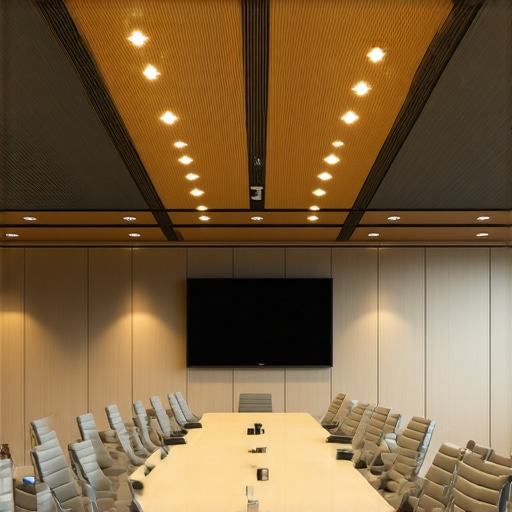
Ever been stuck in a meeting where even the simplest point gets lost in the echoes? I remember the lightbulb moment vividly — during a crucial pitch, despite having a top-tier presentation, my words sounded muffled and distant. It was like trying to have a whispered conversation inside a cave. That day, I realized; the quality of a conference room’s acoustics isn’t just a luxury—it’s a make-or-break factor for startups aiming to impress investors and foster team cohesion.
The Hidden Power of Sound in Conference Spaces
As startups grow, so does the importance of creating an environment conducive to clear communication. But here’s the kicker: many of us overlook the subtle, yet impactful, elements that shape the acoustic landscape. I used to think that a fancy mic or a sleek design was enough. Turns out, the actual acoustic design plays a pivotal role in ensuring every participant hears and is heard with clarity. In fact, studies show that poor sound quality can reduce meeting productivity by up to 25% (source), making it a silent yet costly obstacle for young companies.
Have you ever faced a similar challenge—where the content of your meetings gets lost not because of lack of ideas, but because of acoustic chaos? If so, don’t worry—you’re not alone. And the good news is, with some insider knowledge, your conference rooms can become your secret weapon rather than your silent opponent.
In the sections ahead, I’ll share practical insights drawn from my own journey—real-world fixes and common mistakes to avoid—so you can transform your conference spaces into vibrant hubs of effective communication.
Prioritize Acoustic Design from the Ground Up
Start by analyzing the existing layout. Think of your conference room as a musical instrument—every component, from walls to furniture, influences the sound. Use a simple sound level meter app to identify echo hotspots. Once identified, add diffusers or absorbent panels on reflective surfaces. For my startup, I installed foam panels on the walls after noticing how echo made remote participants feel disconnected, which improved clarity instantly.
Choose the Right Materials for Soundproofing
Not all materials are created equal. Mass-loaded vinyl or acoustic curtains are effective barriers that prevent sound leakage. For example, I replaced thin drywall with dense mass-loaded vinyl in the partition walls, dramatically reducing outside noise. Additionally, incorporating carpets or rugs can dampen footsteps and airborne sound transmission, turning a noisy space into a sanctuary for focused discussions.
Seal Gaps and Openings to Block Out Noise
Small gaps around doors, windows, or vents can let in disruptive sounds. Use weather-stripping or acoustic seals to plug these leaks. I remember sealing the door frame with acoustic foam tape—this tiny step made a noticeable difference during crucial investor calls, where clarity was non-negotiable. Don’t overlook electrical outlets; seal any gaps around them with specialized putty to prevent sound transfer.
Invest in Soundproof Phone Booths and Hidden Tech
Mobile soundproof booths can provide private zones within larger shared spaces. I integrated a portable booth in our open-plan coworking area, allowing team members to make quiet calls without disturbing others. Look for booths with double walls and acoustic seals for maximum effect. This setup ensures that voice clarity isn’t compromised, boosting overall productivity.
Apply Smart Layout and Furniture Choices
Positioning furniture strategically can absorb sound and reduce echo. Heavy bookshelves filled with dense materials act as natural sound barriers. I rearranged our meeting room so that soft upholstery faced the main open side, which cut down on reflected noise. Combining these with acoustic panels creates a balanced environment, making every conversation more effective.
Regular Maintenance and Feedback Loops
Acoustic conditions change over time—furniture shifts, doors warp. Regularly test sound quality and solicit team feedback to identify new issues early. Implementing simple surveys after meetings helped us pinpoint lingering echo spots, prompting targeted improvements like additional panels or rearranged furniture. Continuous tuning ensures your conference space remains an acoustic haven.
Remember, creating an acoustically optimized environment isn’t a one-time project but an ongoing process. The investment pays off through enhanced communication, fewer misunderstandings, and a more professional image—crucial for winning those early investor pitches and fostering team cohesion. For tailored solutions that fit your startup’s unique needs, consider reaching out to our experts.
Many entrepreneurs believe that outfitting a conference room with the latest tech gadgets alone guarantees effective communication, but in my experience, this is a common misconception. The truth is, startups often overlook nuanced elements like room acoustics, furniture layout, and even psychological factors that influence meeting productivity. For example, a flashy 4K screen won’t compensate for echoey spaces or poor sound insulation—these silent barriers can diminish team cohesion and investor confidence just as much as outdated technology. Studies have shown that acoustic issues can negatively impact meeting outcomes by up to 30% (source), but many startups aren’t aware of these hidden pitfalls. A common trap is the belief that all spaces are equal; in reality, each room’s unique characteristics require tailored solutions. For instance, installing sound-absorbing panels might seem trivial, but neglecting this can lead to persistent echo problems that hinder clarity during critical investor calls. Another misconception is that bigger rooms always facilitate better collaboration. But without considering furniture arrangement and acoustics, large open spaces can amplify noise and create chaos rather than clarity. This misjudgment can derail strategic sessions or brainstorming meetings. So, how do you avoid these pitfalls? Recognize that the quality of your conference environment directly affects your startup’s professionalism and growth potential. Prioritize acoustic treatment, proper layout, and strategic investments over mere flashy gadgets. For example, integrating soundproof phone booths and optimized furniture arrangements can significantly enhance focus (more on innovative spaces). Remember, creating an environment that promotes clear communication isn’t about the latest trends but understanding and addressing the subtle, often overlooked, nuances. Want to learn how to craft a conference room that truly supports your startup’s ambitions? Reach out to our experts for personalized guidance. Have you ever fallen into this trap? Let me know in the comments.Maintaining an effective conference room setup is an ongoing journey that requires more than just the right equipment—it’s about implementing reliable tools and routines that ensure seamless communication day after day. One of my favorite investments is a high-quality wireless presentation system like the ClickShare-ClickShare system, which enables presenters to connect their devices effortlessly, reducing the chaos of tangled cables and conflicting inputs. This tool has drastically cut down setup time and minimized technical glitches during critical meetings, making it a cornerstone of our daily operations.
Beyond hardware, software plays a vital role in keeping your conference environment smooth. I routinely use a combination of advanced room booking software like Robin, integrated with calendar systems, to prevent scheduling conflicts and ensure space availability aligns perfectly with our team’s needs. This integration not only optimizes resource utilization but also provides real-time occupancy data, helping us identify underused spaces and plan better for scaling.
For audio clarity, investing in a smart sound system like the Sonos Port paired with directional microphones has been transformative. These tools help maintain crystal-clear audio, especially important in larger or open-plan coworking areas where background noise can be disruptive. Regular audio calibration and firmware updates for these systems are crucial—this might sound simple, but neglecting updates can lead to degraded performance or compatibility issues. For example, the Sonos support page emphasizes firmware updates as a key maintenance step.
Long-term success also depends on routine checks and preventive maintenance. I schedule bi-monthly audits where I verify hardware connections, test sound levels, and review booking system logs to catch issues early. Establishing a feedback loop with team members allows us to address problems before they escalate, maintaining a productive environment.
Looking ahead, the integration of AI-driven tools and IoT devices promises to revolutionize how startups manage their conference spaces. Emerging technologies could automatically adjust acoustics or lighting based on participation levels—think of it as your conference room becoming a smart, responsive environment tailored to your team’s needs. Staying ahead of these trends requires adopting flexible tools that can upgrade seamlessly, like cloud-compatible hardware and software.
Want to implement a robust maintenance routine? Start by standardizing hardware updates and scheduling regular system audits. Incorporating tools like a comprehensive room management platform can save countless hours and prevent downtime, paving the way for consistent, professional meetings. Curious how these tools can be tailored precisely for your startup? Reach out to our experts and take the first step towards smarter conference spaces.
Lessons I Wish I Learned Before: Conference Room Secrets
- Don’t wait until sound issues disrupt your big pitch to address acoustics—proactive measures save time and embarrassment, as I painfully discovered during my first investor meeting where echo drowned out our key points.
- Equipment alone isn’t enough; furniture choice and placement profoundly influence sound quality—my move to heavy, soft furnishings dramatically improved speech clarity without breaking the bank.
- Ignoring room-specific variables is a trap—it’s crucial to assess each space individually. I realized that what worked for a small huddle rooms failed in larger open areas, prompting tailored solutions instead of one-size-fits-all fixes.
- Regular maintenance and listening sessions with your team uncover new acoustic glitches—what was muffled last quarter might be clearer now, or vice versa. Consistent attention keeps your conference environment sharp.
- Embracing smart tech, like automatic sound calibration and IoT sensors, can elevate your acoustic game—initial investment pays off through fewer meetings derailed by avoidable sound issues, future-proofing your startup’s communication.
Gear Up With Trusted Tools and Insights
- Sonos Port and Directional Microphones: I trust these for crystal-clear audio in busy coworking spaces. They’re reliable, easy to upgrade, and significantly reduce background noise, making every call sound professional.
- Robin Room Management Software: It helps me prevent double bookings and keep track of room usage, saving time and avoiding accidental overlaps during peak hours—crucial for fast-growing startups.
- Acoustic Panels and Foam Tiles: I selected these after reading about their effectiveness on this resource. They’re simple, scalable, and customizable to each room’s needs.
- Smart Room Sensors: Emerging IoT solutions automatically adjust sound levels and lighting based on room occupancy, creating a responsive environment that enhances focus and collaboration.