
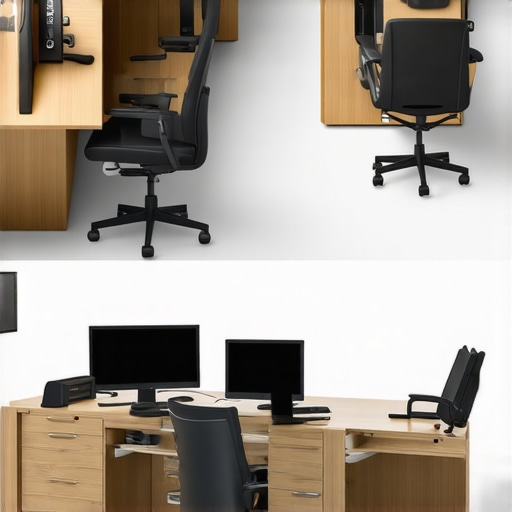
Ever had that moment when you sit down at a different table every day in the coworking space, only to realize nothing feels quite right? I recall countless mornings dragging myself to a noisy shared desk, desperately trying to find my groove, but the constant shuffle of chairs and the unpredictability of my environment sapped my focus. It was like trying to read in a nightclub—energy-draining and unproductive. That lightbulb moment hit me hard: I needed consistency to truly succeed.
Finding Your Comfort Zone in a Sea of Desks
This realization led me down the path of choosing between a dedicated desk or sticking with a hot desk setup. As someone who’s navigated both worlds, I can tell you this decision impacts everything from your daily motivation to long-term collaboration. Today, I promise to share insights from my experience and show you how the right choice can unlock your productivity and even your company’s innovation. Curious if your current workspace setup is holding you back? Stick around, because we’re about to dig into what makes a dedicated desk worth considering—and what pitfalls to avoid along the way.
Is the hype around dedicated desks really worth the investment?
Early on, I made the mistake of dismissing the value of a fixed workspace, thinking flexibility outweighed everything. But research shows that having a personal area fosters a greater sense of ownership and belonging, boosting engagement by up to 21% (source). If you’re like me, balancing this choice isn’t just about convenience; it’s about creating an environment that propels your work forward. So, should you commit to a dedicated station or embrace the freedom of hot-desking? That’s what we’ll explore next.
Identify Your Priorities and Workflow Needs
Start by analyzing your daily tasks. Are you collaborating frequently, or do you need quiet concentration? For instance, I once spent a week trying to focus in a bustling co-working space, but my productivity suffered. Recognizing my need for quiet led me to choose a dedicated desk in a less noisy zone, which immediately improved my focus.
Assess the Space’s Privacy and Flexibility
Determine Your Privacy Requirements
If confidential work is part of your routine, opt for a workspace with soundproofing or private areas. I remember negotiating with my coworking provider for a semi-private corner, which reduced distractions and safeguarded sensitive conversations.
Evaluate Flexibility Options
Do they allow short-term desk swaps or permanent setups? In my experience, a flexible layout helped me adapt during project spikes, but I also kept a dedicated spot for consistency on days when routine mattered most. Learn more about choosing between a dedicated desk and a private office.
Review the Location and Amenities
Location affects daily commute times and overall satisfaction. I once chose a space near my apartment, saving hours each week and reducing commute fatigue. Amenities like reliable Wi-Fi, meeting rooms, and communal areas can boost productivity—especially if you need spaces for brainstorming or client meetings. For guidance on maximizing conference room productivity.
Test Drive Before Committing
Arrange a day pass to experience the environment firsthand. During my trial, I noticed noise levels, Wi-Fi speed, and community vibe, which influenced my decision. Don’t forget to evaluate meeting room connectivity.
Leverage Community and Networking Opportunities
Choose a space with an active community. When I joined my current coworking, spontaneous hallway conversations led to collaboration, fueling my startup’s growth. Engage with other members in communal areas—these informal chats can spark ideas or partnerships. For strategies on building local networks in coworking spaces.
Cost, Contract Terms, and Long-term Viability
Finally, review lease terms and hidden fees. During my initial negotiations, I clarified charges for printing and conference room usage, avoiding surprises later. Consider whether the space offers flexibility if your needs change. More tips on negotiating flexible leases.
Many entrepreneurs and startups assume that booking the largest or most modern meeting room guarantees productivity, but in my experience, this is a misconception. In fact, the real nuance lies in how the space is utilized and perceived. For example, I’ve seen teams overlook the importance of acoustics, leading to distractions and ineffective discussions. Contrary to popular belief, investing in soundproofing or proper layout can significantly boost collaboration quality. A common mistake is assuming that a sleek design will automatically foster innovation. However, a creative coworking space must be designed thoughtfully to spark ideas, not just look impressive. One trap to avoid is underestimating the importance of privacy—an open-plan room might be great for casual brainstorming but terrible for confidential discussions.
How can startups maximize the potential of their conference rooms without falling into typical pitfalls?
Start by assessing the specific needs of your team. Are you holding intense negotiations, or doing quick check-ins? Choosing the right conference room isn’t about size but about functionality. For instance, innovative startups often benefit from flexible spaces equipped with adaptable furniture and high-quality tech to facilitate spontaneous meetings. Beware of hidden costs—you might think a room is a bargain until you realize extra charges for Wi-Fi or equipment. Such hidden fees can eat into your budget unexpectedly. Remember, a well-managed space encourages the kind of informal interactions that often lead to breakthroughs.

Moreover, consider the psychological impact of room design. A cluttered or windowless conference room can drain energy and hinder creativity. Investing in proper lighting and decor isn’t just aesthetic—it’s strategic. As I always advise, test your space in real scenarios; don’t just assume it will work based on looks alone. For more insights, explore how smart space selection can turn your meetings into catalysts for growth. Have you ever fallen into this trap? Let me know in the comments.
Mastering Long-Term Maintenance of Your Meeting Spaces
Maintaining an efficient and productive workspace isn’t a one-time effort—it’s an ongoing commitment. Regular upkeep ensures that your conference rooms and coworking areas continue to support your team’s evolving needs. One practical step is scheduling routine technology checks, such as updating software and firmware for your AV equipment, which I personally do bi-monthly to prevent unexpected glitches during critical meetings. Additionally, periodic cleaning and organization of shared spaces foster a professional environment that keeps everyone motivated. Implementing a maintenance checklist tailored to your space can save time and avoid costly repairs over the long run.
Essential Tools to Keep Your Space Running Smoothly
Investing in reliable tools is crucial. For connectivity, I recommend Ubiquiti networking equipment, like their UniFi routers, which provide robust Wi-Fi coverage and easy management. I’ve used them in multiple coworking setups to eliminate dead zones and simplify network monitoring. For scheduling and booking, Robin software seamlessly integrates room reservations with calendar apps, reducing conflicts and double bookings—something I’ve found indispensable in coordinating multiple teams. To maintain cleanliness and order, I use O-Cedar Microfiber Mop for quick tidying, keeping floors spotless without fuss.
Predicting the Future of Workspace Management
Looking ahead, I believe smart building technology will become standard, integrating IoT sensors for real-time monitoring of occupancy, air quality, and equipment status. This evolution will enable startups to proactively address issues, enhancing safety and efficiency. For example, some innovative spaces now use occupancy sensors to adjust HVAC airflow, saving energy and ensuring comfort. Embracing these trends now can give your startup a competitive edge and prepare you for sustainable growth.
How do I keep my meeting rooms functional over time?
To sustain your workspace’s effectiveness, establish a routine maintenance schedule that covers technology updates, cleaning, and space optimization. Regularly soliciting feedback from team members helps identify issues early—I’ve set up quarterly surveys that have guided improvements like better lighting and more adaptable furniture. Additionally, tracking usage patterns can inform decisions about scaling space or investing in new equipment. Remember, a well-maintained environment fosters collaboration and innovation, crucial for startup success. For an example of advanced tech integration, check out the future of coworking spaces. Start by implementing a comprehensive checklist for daily and weekly upkeep, and watch your workspace transform into a sustainable hub for growth.
Over the course of my journey in startups and coworking environments, I’ve uncovered that the true power of a workspace isn’t just in its decor or location—it lies in the subtle choices we make about how we structure our environment. These decisions often fly under the radar but have profound impacts on creativity, collaboration, and growth.
The Unexpected Lessons from a Mismatched Space
I once pushed ahead with a flexible hot-desking setup, thinking flexibility was king. Yet, I found myself craving a sense of ownership that I simply couldn’t get from a shared space. That frustration led me to realize that dedicated desks, when thoughtfully chosen, can ignite a deeper connection to your work and team—something that no amount of fancy furniture can replace. The hardest lesson? That sometimes, investing in a dedicated space accelerates your momentum more than anything else—and it’s worth every penny.
My Cheat Sheet for Unlocking Real Productivity in Your Space
First, prioritize functionality over appearance. Tools like smart conference rooms with soundproofing and high-quality tech can make or break your meetings. Second, choose locations that align with your routine—shorter commutes mean more time for innovation. And third, stay flexible—test options like day passes or short-term leases before locking in long-term commitments. I trust these insights because they’ve helped me avoid many costly missteps and maximized my team’s potential.
Transform Challenges into Your Growth Catalysts
The real secret isn’t avoiding obstacles—it’s how you leverage them. For instance, I used to think dull, windowless rooms were inevitable on a budget, but I discovered that strategic lighting and decor can breathe new life into any space. It’s about reimagining limitations as opportunities. When you start viewing your workspace as a dynamic tool rather than a fixed asset, innovative ideas flow naturally. Remember, growth often hinges on your ability to adapt your environment to your evolving needs—so start small and iterate.
Stepping Into the Future of Meeting Spaces
Future-ready startups are adopting smart spaces equipped with IoT sensors and flexible layouts that respond to real-time demands. Embracing these innovations now—like dynamic scheduling tools or AI-powered room management—can position you ahead of the curve. The goal is to craft environments that support spontaneous collaboration and focused work alike, reflecting a culture of agility and innovation. As I see it, the smartest move is to future-proof your workspace, turning it into a hub where ideas flourish and adaptability is second nature.
Insider Wisdom: Lessons I Wish I Had Known Sooner
- Less is more when it comes to acoustics. Investing in soundproofing reduces distractions, boosting team focus.
- The true value of a space comes from how you use it. A well-designed conference room can elevate your team’s creativity and decision-making.
- Test before you invest. Visiting spaces during peak hours reveals real-world usability where photos can’t.
- Community matters more than you think. Engaging with other members in coworking spaces often leads to unexpected collaborations.
- Flexibility is a strategic asset. Short-term memberships or hot-desking can adapt as your startup evolves, saving costs and offering agility.
My Go-To Arsenal for Workspace Success
For seamless connectivity and organization, I rely on tools like conference room optimization strategies. Investing in reliable networking gear, such as Ubiquiti routers, ensures Wi-Fi stability—crucial during critical meetings. Scheduling apps like Robin streamline room bookings, preventing conflicts and saving time. These tools are part of my essential toolkit because they eliminate workflow friction and keep the focus where it belongs—on growing your startup.
Rise to It: Shape Your Workspace Future Today
Remember, creating an environment that fosters innovation begins with intentional choices. Whether you’re selecting a dedicated desk, designing a conference room for maximum productivity, or integrating smart technology, each decision molds your company’s culture and trajectory. Your workspace should be a reflection of your ambitions—adaptive, inspiring, and aligned with your goals. So take the leap, experiment, and refine until you find what truly accelerates your growth. The future of startup success is built in environments that evolve with you.