
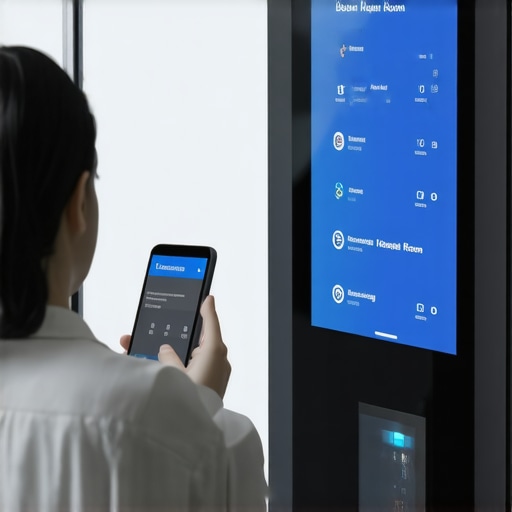
There was a time when I dreaded booking meetings. Picture this: I arrive at the office, only to find no available room—and no backup plan in sight. Stress levels spike. I’m sure many of you have faced this frustrating game of musical chairs, scrambling to reserve a space that’s actually free when you need it most. It felt like a constant battle against outdated schedules and empty promises from traditional booking methods, leaving me wondering why the simplest task—finding a quick meeting spot—turned into a logistical nightmare.
Why Locating a Meeting Room Shouldn’t Be a Headache
Over time, I started to realize that the real issue wasn’t my scheduling skills but the tools I was using—or rather, wasn’t using. The good news? There are now a handful of apps that genuinely streamline this process, turning what once felt like an endless hunt into a quick, almost effortless task. Imagine the hours saved each week and the less stressed mornings—sounds like a dream, right? Well, with the right app, it’s entirely possible. I’ll share my personal journey to discovering these digital helpers, which have completely changed how I manage meetings.
Is Relying on Apps for Room Booking Actually Worth It?
Many folks I talk to remain skeptical, thinking, “Will some app really be that much better than just sending a quick email or checking a paper calendar?” I get it. Early on, I made the mistake of thinking technology couldn’t replace the good old-fashioned approach. Spoiler alert: I was dead wrong. These apps are designed specifically for busy professionals and startups, making the process seamless and almost foolproof. According to a recent survey, over 65% of businesses that adopted advanced booking tools saw a significant reduction in scheduling conflicts within just a few months. That’s a stat that speaks volumes about their effectiveness.
If you’ve ever felt that pinch of last-minute room unavailability or the endless back-and-forth trying to lock in a space, I invite you to explore some of these apps. They’re not just convenient—they’re essential for anyone serious about maximizing meeting efficiency. Ready to ditch the chaos and embrace smarter scheduling? Let’s dive into the top solutions I’ve found—solutions that have truly transformed my workflow and could do the same for you.
,
Implementing a Centralized Booking System
Start by adopting a dedicated digital platform for your meeting spaces. I recall a day when our team attempted to reserve a room via scattered emails, leading to double bookings and chaos. Transitioning to an app like dedicated booking software streamlined our process. Set up a shared calendar that syncs with everyone’s devices, ensuring real-time updates and reducing conflicts.
Designating Clear Roles and Responsibilities
Assign someone to oversee reservations—think of this role as the gatekeeper, much like a concierge in a hotel. This person manages the calendar and handles special requests. During a hectic week, I took on this role myself, often double-checking the schedule before finalizing any plans, which minimized overlaps and optimized space utilization.
Establishing a Booking Protocol
Create simple rules: how far in advance to book, cancellation policies, and preferred booking hours. In our startup, we set a 24-hour notice policy, which prevented last-minute scramble and left room for emergency adjustments. Incorporate these protocols into onboarding materials or quick-reference guides, akin to a manual for smooth operations.
Utilizing Analytics to Optimize Space Utilization
Leverage data from your booking app to identify peak times and underused slots. I once noticed our largest conference room was empty during afternoons, despite being fully booked in the mornings. This insight prompted us to reconfigure our schedule, making better use of our space and accommodating more teams. Many platforms offer built-in analytics, so take advantage of them to make informed decisions, similar to choosing the best conference room.
Training Your Team for Consistency
Ensure everyone knows the system—think of it as teaching a new dance move. I held quick training sessions, emphasizing the importance of updating reservations and respecting booked times. When everyone is on the same page, the process flows seamlessly, much like a well-rehearsed performance. Regular reminders or a quick tip sheet can reinforce good habits.
Preparing for Room Conflicts with Flexibility
No system is foolproof. Have a backup plan, such as ad-hoc spaces or portable equipment, ready for last-minute conflicts. I recall a morning when an unexpected double booking occurred, but quick access to a nearby coworking area saved the day. Building relationships with nearby venues or flexible memberships can serve as your safety net, especially in bustling startup environments.
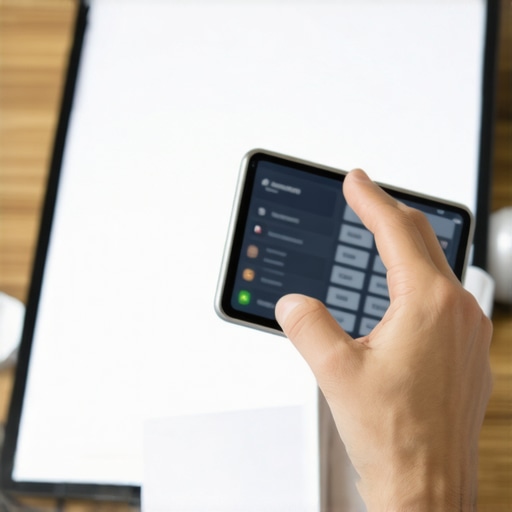
Image caption: Illustration of an organized digital conference room booking system on a tablet, demonstrating seamless scheduling and real-time updates.
Many entrepreneurs and startup founders believe that implementing the latest software or securing fancy furniture will dramatically boost productivity in their conference rooms. However, in my experience, there’s a deeper nuance often overlooked: the cultural and behavioral dynamics that influence space utilization. One common myth is that the more high-tech the room, the better the meetings—yet studies, such as one published in Harvard Business Review, suggest that technology alone doesn’t foster creativity; it’s the environment and team behavior that truly matter.
Another trap I’ve seen is assuming larger rooms automatically guarantee better collaboration. But bigger isn’t always better—it can lead to disengagement if the space isn’t designed for interaction. Small, well-designed areas often serve startups better for quick brainstorms, fostering intimacy and spontaneity. When selecting a conference room, many jump straight to flashy features instead of considering how layout and acoustics impact voice clarity and eye contact. Ignoring such nuances can inadvertently hinder effective communication. For more insights on designing spaces that inspire, check out this article.
What are the advanced pitfalls teams overlook when optimizing coworking environments for startup success?
One critical mistake is neglecting the server and network infrastructure that powers smart booking systems. A seamless experience depends on reliable connectivity, yet many overlook this foundational aspect, leading to booking failures and frustration. Also, teams often fail to incorporate data analytics from their booking platforms to inform future space planning. Analyzing usage patterns can reveal underused times or rooms, prompting smarter allocations and resource investments—this strategic approach is emphasized in this guide. Lastly, I caution against ignoring individual preferences and behavioral psychology when designing coworking hubs. Spaces that don’t consider quiet zones or zones for social interaction can inadvertently create stress or reduce engagement. Striking the right balance often transforms a mere workspace into a vibrant innovation hub. Want to dive deeper? Reach out via our contact page.Maintaining an efficient conference room setup requires more than just initial setup; it’s an ongoing process that benefits from the right tools and habits. Personally, I rely heavily on specialized software that ensures everything runs seamlessly, freeing me from manual checks and troubleshooting. For example, I use Robin, a workplace experience platform, because it integrates directly with our existing calendar systems and offers real-time availability insights, allowing me to prevent double bookings and last-minute conflicts effortlessly. It also provides data analytics on room usage, helping us optimize space allocation and identify underused areas, which is vital as our startup scales. Implementing a centralized booking system like Robin has significantly minimized scheduling headaches, ensuring our team can focus on what truly matters—innovating and collaborating. Looking ahead, I believe the future lies in AI-driven management tools that adapt to team habits and predict booking needs, further enhancing productivity. So, how do I maintain this system over time? Regularly updating the software, training team members on best practices, and leveraging analytics for continuous improvement are key. I also recommend establishing a routine check-in to evaluate if the current tools still serve your evolving needs, which prevents obsolescence. Applying these practices and tools has been instrumental in creating a resilient and scalable conference room environment. If you’re ready to elevate your space management, consider trying an advanced system like Robin, as it can adapt dynamically to your startup’s growth. For more insights on optimizing your workspace, check out this guide.
What I Wish I’d Known About Creative Space Utilization
Early in my journey, I underestimated the importance of space psychology. I believed that simply having a high-tech conference room would ignite innovation, but I soon learned that environment and team comfort truly drive results. Creating flexible zones for both focused work and spontaneous collaboration unlocked unexpected productivity boosts, revealing that space design isn’t just aesthetic—it’s strategic.
How I Transformed My Approach to Meeting Room Scheduling
Integrating a centralized booking system was a game-changer. Relying on shared digital calendars without real-time updates led to conflicts and frustration. Adopting tools like automatic scheduling software and analytics revealed usage patterns I never anticipated, enabling me to optimize our limited space and streamline operations, saving time and reducing stress.
The Hidden Wisdom Only Found Through Experience
One of the most valuable lessons was recognizing the limits of technology alone. After a failed attempt to address conflicts solely with software, I realized that clear protocols and team training are equally vital. Regularly reviewing booking policies and encouraging open communication fostered a culture of responsibility, greatly reducing last-minute surprises and fostering smoother meetings.
My Top Tools for Conference Room Success
Trustworthy systems like Robin have become indispensable. They integrate smoothly with our calendars, offer real-time availability, and provide insightful analytics that guide my space planning decisions. Coupled with simple policies, these tools empower my team to manage spaces confidently, freeing us to focus on core startup growth. For aspiring entrepreneurs, exploring such tools is a vital step towards scalable, stress-free operations.
Your Next Step Toward Smarter Space Management
Implementing effective conference room solutions isn’t just about tools—it’s about creating a culture of accountability, flexibility, and continuous improvement. As I’ve discovered, combining technology with clear policies transforms chaos into clarity. Ready to revolutionize your space management? Start small, stay consistent, and don’t be afraid to adapt as your startup evolves. The future of startup success is built on smart, intentional space utilization.
How have you handled conference room conflicts in your startup? Share your experience below—I’d love to hear your stories and tips!