

I remember sitting in a cramped conference room during my early startup days, heart pounding, trying to hide my growing frustration as yet another meeting devolved into chaos. The power dynamics, the endless miscommunications, the feeling that I was just barely holding everything together—it’s a moment many founders know all too well. That realization hit me hard: surviving those initial months isn’t about having the coolest office or the latest tech; it’s about navigating a landscape riddled with surprises and pitfalls few prepare you for.
Why the Startup First Months Catch Many Off Guard
The truth is, the first six months of a startup are often a whirlwind of emotions, decisions, and sometimes, downright chaos. It’s a phase where the vision can get blurry amidst operational hurdles, team misalignments, or even space issues like choosing the right meeting rooms. If you’ve ever felt overwhelmed booking spaces or puzzled over which conference room best suits your needs, you’re not alone. It’s these seemingly minor details—like the acoustics of your meeting space or how to optimize your conference room usage—that can dramatically influence your team’s productivity and your startup’s culture.
From my own missteps—like neglecting the importance of setting boundaries in shared coworking spaces—I’ve learned that small adjustments early on can save you headaches later. For instance, I once held crucial client meetings in a noisy, ill-equipped conference room because I thought any space would do. Turns out, that’s a costly mistake. To avoid falling into the same trap, it’s essential to understand how to select the right environment and prepare your team for effective collaboration. Did you know that well-designed meeting spaces can boost productivity by up to 25%? (Source: Coworking Central)
Planning for success means facing these challenges head-on, which brings us to actionable strategies you can implement today. But first, let’s address one of the most common fears startup founders have when tackling these early hurdles.
Are Conference Rooms Really That Important for Startup Survival?
This is a question I often hear from entrepreneurs convinced that any space will do. My early mistake? Underestimating the power of a well-chosen meeting environment. It’s easy to think, “It’s just a room,” but the right conference space fosters focus, encourages creativity, and signals professionalism—crucial elements in those formative months. Want to learn how to pick the perfect conference room that aligns with your startup’s goals? Check out this insightful guide on how to choose the right conference room.
just as I did. Before diving into the practical tips, consider whether you’ve faced these issues before—feeling stuck in spaces that hinder progress or wasting resources on ill-suited environments. If yes, you’re in the right place. Let’s explore how to turn your meeting rooms from chaos into catalysts for growth.
Assess Your Needs and Set Clear Objectives
Start by defining what you need from a conference room. Is it for daily team briefings, client presentations, or brainstorming sessions? I once booked a large, high-tech room for a small team huddle, which made us feel disconnected and awkward. Clarifying your goals ensures you choose a space that fosters the right environment, much like selecting the perfect stage for a specific act.
Prioritize Location and Accessibility
Choose a room that’s conveniently located for your team and visitors. An ideal space minimizes commute stress and promotes punctuality. For example, I once reserved a conference room on a different floor, leading to delays and tension. Making sure your meeting space is accessible can prevent logistical headaches and keep your operations smooth.
Evaluate Physical Layout and Design
The shape and furniture arrangement of the room influence interaction. Opt for flexible layouts—oval tables or open spaces encourage discussion. I experimented with a setup that had everyone facing the window, which distracted participants during a crucial pitch. A thoughtful layout directs focus where it belongs, enhancing collaboration.
Check Technical Capabilities
Ensure the room is equipped with reliable AV tech—high-quality microphones, projectors, and fast internet are essential. When I overlooked this, my presentation was marred by connectivity issues, costing us time and credibility. Proper tech integration, like integrating the tech stack, streamlines meetings and keeps engagement high.
Test Acoustics and Lighting
Good acoustics prevent echo and background noise from disrupting conversations. Natural light boosts mood and alertness, making long meetings more bearable. I once held a remote client call in a dull, windowless room, and it showed in our energy levels. Conduct a quick audition—speak, listen, and observe—to ensure clarity and comfort.
Consider Privacy and Soundproofing
For sensitive discussions, select rooms with soundproofing features. A noisy coworking space can derail confidential conversations. I learned this the hard way when someone nearby took a loud call during our strategic planning, forcing us to reschedule. Invest in rooms that shield your discussions from external noise for peace of mind.
Book Strategically and Avoid Overlaps
Use booking software—like this guide—to prevent double bookings. I once arrived to find my meeting lost in a crowded calendar, resulting in wasted time. Planning ahead ensures your team always has a reliable space and reduces last-minute stress.
Adapt and Innovate with Space Usage
Keep iterating based on feedback. Some startups turn conference rooms into mini-collaboration hubs with writable walls or modular furniture, as discussed here. This innovation can turn a simple room into an inspiring environment that fuels creativity and productivity.
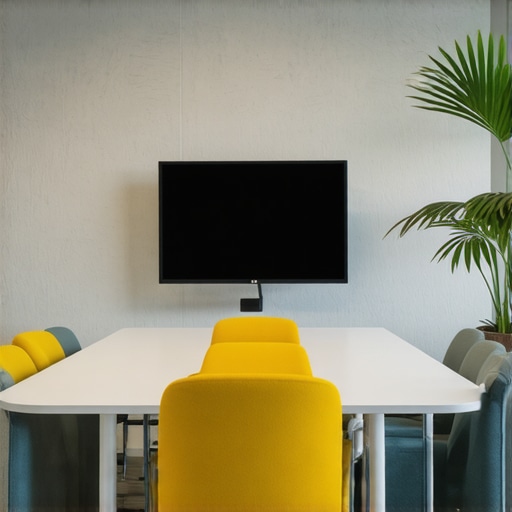 Many entrepreneurs believe that selecting any conference room or coworking space suffices for startup success, but this is a misconception. The common myth is that the environment doesn’t significantly impact productivity or culture, yet in reality, subtle nuances can make or break your team’s effectiveness. For instance, choosing rooms with poor acoustics or inadequate lighting can silently sabotage collaboration, leading to overlooked details and decreased morale. An advanced mistake is assuming that a one-size-fits-all approach works; instead, tailoring space design to specific meeting types, whether brainstorming or client presentations, yields better outcomes. According to a study by Harvard Business Review, well-designed meeting environments can boost engagement by up to 25%. Be cautious of the trap of over-investing in high-end tech without considering layout and acoustics, which are equally crucial. For example, sleek equipment won’t compensate for poor room acoustics—something often overlooked in startup planning. Question: How can startups optimize their meeting environments for different team needs without excessive spending? The key is understanding the nuances and making strategic choices. For instance, transforming a standard conference room into a collaborative hub with writable walls or modular furniture encourages spontaneous creativity, as discussed in this article. Moreover, assessing whether your meetings are truly productive or just habitual can prevent wasted time and resources. Remember, the environment is a silent partner in your startup’s growth, influencing everything from innovation to investor perceptions. Don’t fall into the trap of neglecting these details—small improvements can lead to significant gains. Want to learn how top startups are leveraging space to unlock innovation? Explore these strategies today. Have you ever fallen into this trap? Let me know in the comments.Maintaining an efficient, reliable setup in your startup’s meeting spaces is essential for lasting productivity. The secret to seamless meetings lies in the right combination of hardware and software tailored to your team’s specific needs. I personally rely on a combination of high-quality wireless presentation systems, such as the Barco ClickShare, which allows for effortless content sharing without the clutter of cables—saving time and preventing frustration during critical discussions. Investing in robust audio solutions, like the Yamaha YVC-1000 microphone system, ensures everyone’s voice is heard clearly, regardless of room size or background noise, which I found makes remote collaborations far more effective. Additionally, keeping your meeting rooms smart with IoT controls—like programmable smart lighting and thermostats—helps create an environment conducive to focus and creativity through easy, remote adjustments. For digital organization, I use scheduling platforms such as Density.space, which offers real-time data on room utilization, helping us optimize space and avoid double bookings. Moreover, integrating these tools with your calendar system, like Outlook or Google Calendar, automates booking processes and sends friendly reminders, reducing no-shows and last-minute scramble. As we look toward the future, AI-powered room booking and environment management are poised to become industry standards—predicting and adjusting room conditions proactively, per reports from coworkingcentral.com. To truly streamline your space management, I recommend starting with a comprehensive audit of your current setup, then incrementally adopting smart tools that integrate seamlessly into your workflow. This approach not only minimizes disruptions but also builds a scalable foundation for future growth. A practical first step is trying out a wireless presentation system that suits your room size and meeting style—like the ClickShare—and evaluating how it improves your team’s collaborative flow. Want to make your conference rooms future-proof? Begin by testing one new high-tech tool today, and observe how it transforms your meetings into more productive, less chaotic sessions. Are you ready to elevate your space management game and keep everything working flawlessly?”,
Over the years, I’ve realized that the greatest insights often come from pitfalls and surprises encountered firsthand — lessons you won’t find in typical guides. Embracing these hard-earned truths can transform your approach and save you from avoidable mistakes.
The Hidden Wisdom Only Found in Early Startup Struggles
- Assessing spaces isn’t just about size or tech — it’s about atmosphere. A coworking space with good energy can spark spontaneous ideas, while a neglected room can dampen motivation. I once ignored the vibe of a meeting room, only to find my team’s creativity stifled, leading me to rethink how physical environments influence mindset.
- Consistency beats high-end—at least initially. Investing heavily in fancy furniture or cutting-edge gadgets won’t compensate for poor layout or acoustics. In my startup, a modest, well-arranged room with thoughtful acoustics outperformed a high-tech conference space cluttered with distractions.
- Listen to your team’s feedback — then act on it. Early on, I overlooked subtle signs of discomfort in our meeting environment. Once I started actively asking for input and making iterative improvements, meetings became more efficient, and team morale improved.
- Multifunctional spaces unlock hidden value. Transforming a room into both a presentation area and a casual collaboration zone increased utility and flavor. That flexibility kept meetings fresh and fostered spontaneous teamwork, which is a game-changer for startups.
- Anticipate future needs based on growth patterns. Setting up a space with scalability in mind prevented costly rebuilds down the road. For example, modular furniture and adaptable tech setups allowed us to accommodate more team members without major upheaval.
Tools and Resources That Make My Life Easier
- Maximizing Conference Room Productivity — This comprehensive guide helped me understand how layout, tech, and atmosphere intertwine to create effective meeting spaces.
- Choosing the Right Meeting Environment — It’s invaluable for startups aiming to align space choices with their mission and culture.
- Creative Meeting Spaces — This inspired me to rethink how the physical setup can spur innovation and creativity.
- Future-Ready Meeting Areas — Staying ahead with emerging trends ensures my startup remains competitive and attractive to talent and investors alike.
Seize the Moment: Entrepreneurship is a Marathon, Not a Sprint
The journey of building a startup is as much about mastering your environment as it is about your product or service. The right conference room or coworking space can become a cornerstone of your success, fostering focus, collaboration, and innovation. Remember, every detail, from acoustics to layout, contributes to your startup’s narrative and growth.
Don’t wait for perfect conditions — start small, learn as you go, and optimize your spaces with intention. Your future self will thank you for investing in the right environment today.