

I vividly remember a time when I hosted a brainstorming session in a cramped, awkward conference room. The space was too small to spread out, the chairs were uncomfortable, and every idea felt stifled before it even had a chance to breathe. That lightbulb moment hit me hard — the room layout was sabotaging our creativity. Since then, I’ve learned that the placement and design of your meeting space can make or break your collaborative spirit. If you’ve ever felt that your team’s ideas are bouncing off walls—literally and figuratively—you’re not alone. Today, we’ll explore how to craft the best layout for your brainstorming sessions to unlock your team’s full potential.
How the Right Space Sparks Innovation
Every founder or team leader knows that great ideas often come from vibrant, open conversations. But a bad layout can choke spontaneity, inhibit communication, and leave energy more flat than creative. Over the years, I’ve experimented with various room arrangements—U-shapes, circular setups, even standing meetings—to see what truly energizes a team. The results are clear: the environment influences mindset. Have you noticed how a circle fosters equality and openness, while rows can feel more formal and hierarchical? The truth is, the physical space directly impacts the flow of ideas. Different layouts can facilitate different kinds of collaboration, so choosing the right one is vital for your session’s success.
Is It Worth Overhauling Your Space for Better Brainstorming?
Here’s the thing: I used to think a quick, ‘good enough’ setup was fine. But I made a costly mistake early on—ignoring how the arrangement affects participation. I thought that just having a whiteboard was enough, but the real game-changer was the seating plan and room flow. According to a study from the Harvard Business Review, physical environment adjustments can improve group productivity by up to 20%, highlighting just how much space influences outcome (Harvard Business Review, 2020). If your team struggles to bounce ideas freely or gets easily distracted, the layout might be the culprit. Let’s dig into the most effective ways to create an inviting, dynamic environment that encourages innovative thinking.
Set Your Foundation with the Right Room
Start by evaluating your current space. Think of your conference room as a blank canvas—its size, shape, and features set the tone for creativity. If possible, opt for a flexible environment that allows quick reconfigurations rather than a fixed layout. For instance, I once repurposed an underused corner of our coworking space to create a mobile setup using lightweight chairs and tables that could be moved around easily. This flexibility fostered spontaneous discussions and dynamic groupings, which proved invaluable during our projects.
Choose the Perfect Layout
Visualize your room as a stage. A circular or oval arrangement acts like a roundtable, promoting equality and open dialogue, much like a fireside chat. Conversely, a U-shape focuses attention towards a presenter or whiteboard but can inadvertently create a hierarchy. I recall rearranging our space into a circle before a pivotal brainstorming session; the result was a noticeable increase in participation, with team members feeling more comfortable sharing wild ideas without feeling on display. Learn more about optimum conference room configurations.
Optimize Sound and Sight Lines
Sound travels, and poor acoustics can mute creativity. Use acoustic panels, carpets, or even plants to dampen echoes. Ensure sightlines are unobstructed; everyone should see each other clearly. In one workshop, I added hanging fabric dividers and repositioned speakers, transforming a noisy, distracting environment into a calm, focused zone. The difference was immediate, with participants citing better concentration and more vibrant exchanges.
Enhance Engagement with Tech and Comfort
Integrate technology seamlessly. Install a reliable projector or large screen for visual aids, and set up a high-quality microphone if the room size demands it. Comfort is equally crucial; ergonomic chairs, adjustable lighting, and temperature control prevent discomfort from stifling ideas. I once experimented with a standing desk setup during a marathon brainstorming, which kept energy levels high and conversations flowing for hours. Achieving this balance is key to sustaining high-quality ideation—discover more about innovative meeting room tech.
Incorporate Flexibility for Spontaneous Ideas
Design the space to adapt. Have whiteboards on wheels, foldable tables, and modular furniture, so participants can reconfigure the room as needed. During a recent project, I personally moved chairs and tables mid-meeting to pair different team members, sparking unexpected collaborations. Think of your room as a flexible playground for ideas—an environment that invites movement and change can significantly boost innovation. For further insights, see creative coworking ideas.
Establish a Visually Inspiring Atmosphere
Color schemes, artwork, and lighting influence mood more than you might expect. Bright colors can energize; calming hues foster focus. Use large wall charts or mind map murals to inspire collaboration. I added a mural of famous innovators in our brainstorming space, which prompted team members to think bigger. Keep the environment tidy, vibrant, and infused with elements that reflect your startup culture—this turns a mundane room into a hub of creativity and motivation.
Many entrepreneurs and workspace operators fall prey to misconceptions about startups and coworking environments, often leading to costly mistakes. One widespread myth is that a stylish, high-end space guarantees productivity—yet, in my experience, the true secret lies in a well-thought-out layout tailored to your team’s specific needs. For example, some believe that open-plan offices foster collaboration universally; however, research from Gensler’s 2016 study indicates that roughly 52% of workers cite noise and lack of focus as significant drawbacks of open layouts. This highlights the importance of balancing openness with quiet zones to optimize productivity. A common oversight is underestimating the significance of room acoustics. Poor sound management can lead to distraction and fatigue, hampering creative sessions. Strategic use of acoustic panels, plants, and sound-absorbing materials can dramatically improve the environment. Have you ever tried to concentrate in a space with echoing voices or background noise? Better soundproofing could be your solution.
Are Fixed Spaces Limiting Your Innovation Potential
Many assume that customizing a space with permanent fixtures fosters consistency, but this rigidity can stifle spontaneity. Flexibility in furniture and room configurations encourages dynamic interactions and serendipitous conversations—key drivers of innovation. I recommend focusing on modular furniture and mobile whiteboards, which allow rapid reconfiguration based on session goals. Plus, investing in tech that supports seamless transitions—like wireless presentations and adaptable lighting—can make a big difference. Research from the Harvard Business Review suggests that adaptable environments lead to a 20% increase in group effectiveness (Harvard Business Review, 2020). As you evaluate your workspace, ask yourself whether your setup encourages or discourages spontaneous collaboration. If the answer leans toward the latter, it’s time to rethink your layout. To explore more innovative design ideas, check out these innovative meeting rooms.
Image Placeholder: 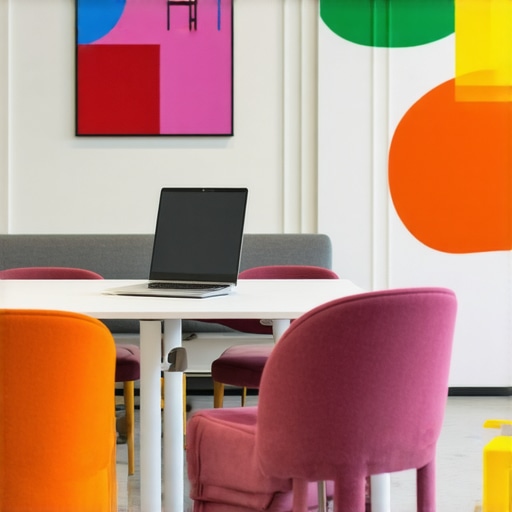
It’s also a mistake to overlook the power of environmental cues. Colors, lighting, and even artwork can influence mood and engagement. Bright hues energize, while softer tones enhance concentration. Interactive wall murals of industry icons can inspire bold thinking. Remember, creating a space that reflects your startup’s culture fosters ownership and motivation among team members. For more insights on designing such environments, consider visiting the future of conference rooms.
The bottom line? Moving beyond common myths and recognizing nuanced aspects like acoustics, flexibility, and environmental design can dramatically impact your startup’s success. Have you ever fallen into this trap? Let me know in the comments.Running a startup or managing coworking spaces requires more than just good furniture and trendy decor. Effective tools and consistent maintenance practices ensure your environment stays productive, inviting, and scalable. One of my favorite tools is Robin, a digital room scheduling platform that streamlines booking processes and reduces conflicts — I personally rely on Robin daily because its real-time availability updates prevent double bookings and help coordinate large meetings effortlessly. Additionally, Asana keeps my team on track, assigning tasks with clear deadlines related to space upkeep or equipment updates. Regular inspections, such as weekly Wi-Fi speed tests with Speedtest, help detect connectivity issues early before they impact critical meetings. For long-term results, it’s vital to establish a routine maintenance calendar that includes HVAC checks, furniture repairs, and tech audits. Implementing a preventive approach saves money and preserves the user experience, preventing problems from escalating. As coworking spaces evolve, integrating Internet of Things (IoT) devices—like smart thermostats or automated lighting—can optimize energy use and comfort while reducing costs, aligning with trends predicted by industry analysts. (You can learn more about IoT benefits for coworking from here.) The key to sustained success lies in not just selecting the right tools but also performing consistent checks and updates. I recommend setting up weekly routines where your team reviews all tech equipment, refreshes supplies, and documents maintenance issues to address promptly. Don’t wait for failures to occur; proactive care preserves your reputation and keeps your workspace humming. When implementing these practices, start with a comprehensive audit to identify weak spots, then assign owners for ongoing oversight. Moreover, consider deploying productivity-enhancing tech upgrades to further boost your environment. Remember, integrating tools like Robin for reservation management or Asana for task tracking is just the beginning—regular maintenance ensures these tools work at their best and your space remains an inspiring hub for innovation. As the industry moves forward, expect automation and AI-driven monitoring to play bigger roles; for now, a disciplined approach to manual checks coupled with smart tools ensures your workspace adapts seamlessly over time.
Lessons That Defied Conventional Wisdom
One of my biggest lightbulb moments was realizing that a space’s shape can subtly influence mindset. For example, I once believed that very open spaces were always best for collaboration, only to see teams overwhelmed by noise and distraction. The lesson: flexibility trumps rigidity. Adapting room layouts based on the session’s purpose—not sticking to a one-size-fits-all—has dramatically improved our brainstorming outcomes.
Another insight was that aesthetic elements can serve as silent motivators. Incorporating colors and artworks inspired by industry figures created an environment that naturally sparked ambitious thinking. It’s the small, deliberate touches—like murals of innovators—that cultivate an innovative culture within your workspace.
Lastly, I learned to prioritize acoustic quality. Adding sound-absorbing materials was a game-changer, eliminating distractions and fostering concentration. A quiet environment is fundamental; it allows ideas to flow freely without being drowned out by background chaos.
Tools and Gems That Transformed My Setup
For streamlining space management, I rely heavily on Robin. Its real-time booking capabilities keep our schedules tidy, preventing overlaps that stall momentum. To enhance collaboration, I swear by these innovative room designs; they turn ordinary meetings into elements of surprise and engagement.
On the informational side, books like “The Future of Conference Rooms” have expanded my understanding of emerging trends, ensuring our space stays ahead of the curve. Coupled with regular tech audits using tools like these best practices, we create an environment that’s both inspiring and reliable.
Your Opportunity to Shape the Future of Your Startup Space
The environment you craft today will echo in your team’s innovation and productivity tomorrow. Don’t settle for static, uninspiring meeting rooms—rethink, redesign, and personalize every aspect. As your startup grows, so should your space, embracing flexibility, comfort, and inspiration. Remember, your environment is more than just a backdrop; it’s a catalyst for your success. Ready to reimagine your workspace and unlock your team’s full potential? Share your thoughts or questions below, and let’s elevate startup environments together.