
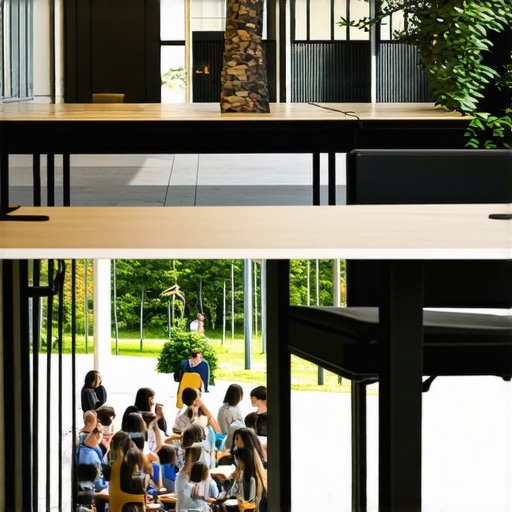
I remember the moment clearly. I was sitting alone at my makeshift desk, staring at a flickering screen, feeling an inexplicable sense of loneliness despite the flurry of activity around me. It hit me then—my workspace might be my own, but my growth, my ideas, and my motivation? They weren’t. That realization was a lightbulb moment, opening my eyes to a fundamental truth: the difference between a simple desk and an engaged community can make or break a startup’s success.
Why Your Workspace Should Be About More Than Just a Desk
In those early days of my career, I believed that having a good desk was enough. A clean surface, a comfortable chair—what more did I need? Turns out, I was severely mistaken. The real power comes from the community that surrounds your workspace. It’s where ideas collide, problems get solved faster, and motivation skyrockets. A space that fosters collaboration doesn’t just support your work—it transforms it. That’s the kind of environment that accelerates startup success and keeps team members engaged.
But here’s the thing—getting this right isn’t accidental. It requires understanding what truly drives collaboration and community. Are you making the most of your workspace, or are you just occupying a seat? Today, I’ll show you how to make that leap, ensuring your environment amplifies your team’s creativity and productivity.
Is Your Office Environment Really Worth the Investment?
Many entrepreneurs underestimate the impact of their workspace. I once thought that as long as I had a decent desk, I was good to go. However, I overlooked how the right community can inspire, challenge, and propel a startup forward. Mistakes like neglecting community-building or choosing a space without vibrant interaction areas have cost many a startup valuable time and energy. According to a study by Deskmag, 84% of remote workers say they feel more connected in coworking spaces, illustrating how community spaces can invigorate teamwork and innovation. If you’ve ever felt your team stagnating or struggling to find collaborative energy, you’re not alone—and the solution might be closer than you think.
Starting with the right environment can seem daunting, but it’s worth every effort. Curious how to do this effectively? Keep reading, and I’ll share practical insights and proven strategies to transform your workspace from a solitary seat to a thriving community hub.
Design Open Spaces That Promote Interaction
Begin by replacing your traditional meeting rooms with versatile, creative zones that invite casual collaboration. For example, swap out closed-door sessions for open lounges with writable whiteboards and comfortable seating. I once rearranged a neglected corner by adding a round table and some bean bags, which surprisingly became the go-to spot for spontaneous discussions. This simple setup encouraged team members to share ideas more freely, boosting innovation.
Use Visual Cues to Engage Team Members
Add visual elements like colorful wall art or idea boards to stimulate creativity and signal an open-door mentality. When I led a small redesign, I applied vibrant decals and interactive post-it zones that acted as conversation starters. This not only increased engagement but also made the space feel welcoming and energetic. Remember, a visually stimulating environment can catalyze quick brainstorming sessions, much faster than formal meetings.
Implement Regular Team Interactions
Schedule daily or weekly stand-ups in communal areas to keep the team connected. Take the time to set up a rotating ‘communication corner’ equipped with snacks and beverages, making it easier for people to gather informally. I once hosted a morning coffee meet in a coworking space, which unexpectedly turned into a productive team check-in. Over time, these interactions fostered trust and transparency, essential ingredients for a high-performing startup.
Leverage Technology to Connect Virtually
Integrate collaboration tools like Slack or Microsoft Teams to complement in-person interactions. Use shared dashboards to track progress and celebrate milestones publicly, reinforcing a culture of transparency. During a period of remote work, I organized virtual ‘water cooler’ chats that mimicked the informal office buzz. This kept the team’s spirit alive and maintained the community feel even when physically apart. For inspiring ideas on space planning, check out tips for maximizing conference room productivity.
Create Opportunities for Networking and Knowledge Sharing
Host monthly workshops or mixers in dedicated community zones. These events can focus on skill-sharing or industry insights, transforming your workspace into a knowledge hub. I once organized a ‘tech deep-dive’ in a coworking lounge, which drew participants from neighboring startups and created valuable connections. Such initiatives not only develop your team but also position your workspace as a nexus for innovation. Consider using professional spaces for hosting client meetings, ensuring your community-building efforts also impress visitors.
Patronize Community Managers for Continuous Improvement
A dedicated community manager can oversee your space’s social aspects, organizing events and mediating connections. They act like the conductor of your workspace orchestra, keeping the rhythm lively and cohesive. My experience with a community manager helped streamline event planning and boosted participation rates. For more about effective community-led spaces, explore community management strategies.
Evaluate and Adjust Your Space Regularly
Solicit feedback from team members on usability and ambiance. Use surveys or quick check-ins to identify gaps and new opportunities. I once introduced a feedback wall where team members posted suggestions, leading to the addition of a quiet zone that increased focus. Regularly evolving your workspace ensures it remains an inspiring environment that continuously nurtures your startup’s growth.
Many entrepreneurs believe that choosing any coworking space or conference room is enough to boost their startup’s productivity. However, the real nuance lies in understanding the overlooked factors that can impact collaboration and growth. For instance, a common misconception is that all coworking environments foster innovation equally. In reality, spaces with poor acoustics or inadequate privacy can hinder meaningful discussions, leading to misunderstandings or missed opportunities. According to a study by Gensler, acoustic comfort is among the top factors influencing workplace satisfaction, especially in collaborative settings.
Another myth is that larger meeting rooms are inherently better. While they accommodate more people, they often encourage inefficient meetings if not designed thoughtfully. The focus should be on the room’s layout and technology integration. For example, a mismatch between room size and technology setup can cause frustration and delays, negatively affecting the meeting’s outcome. Check out tips on optimizing conference rooms to avoid this common pitfall.
A crucial mistake is neglecting the subtle dynamic of coworking communities. Many overlook how social design influences interaction. A workspace that lacks informal zones or quiet corners may inadvertently suppress spontaneous ideas or deep work sessions. Creating intentional spaces for both collaboration and solitude is vital. Do you have spaces that naturally facilitate serendipitous encounters? If not, it might be time to reevaluate your environment.
For advanced founders, questioning how your workspace aligns with your company’s culture and goals is essential. The physical environment should reflect and reinforce your startup’s values, whether it’s agility, creativity, or professionalism. Regularly assessing and tweaking your space can lead to substantial gains in morale and productivity.
Beware of the In the ever-evolving landscape of startups and coworking environments, maintaining efficient and productive spaces requires the right mix of tools, software, and methods. After years of hands-on experience, I’ve identified some key equipment and practices that ensure your workspace stays functional and conducive to growth. One of my top recommendations is investing in high-quality, wireless collaboration hardware, like the Logitech Tap System, which simplifies meeting room setups and minimizes technical disruptions. This allows teams to seamlessly connect devices and share ideas without wrestling with cables or compatibility issues, a common pain point in dynamic coworking spaces. Additionally, adopting cloud-based project management tools like Asana or Notion has proven invaluable for keeping everyone aligned on tasks, deadlines, and goals. I personally use Notion because it centralizes documentation, project updates, and brainstorming in one accessible place, reducing the chaos often caused by fragmented communication channels. Speaking of technology, integrating smart room management systems—such as Robin or Teem—can optimize conference room usage, prevent double bookings, and gather insights on space utilization. These systems help maintain order over time and ensure your meeting rooms serve their purpose effectively. As startups scale, consistency becomes critical. Regularly calibrate your tools, update software, and train team members to leverage new functionalities. For example, scheduling quarterly reviews of your tech stack ensures that outdated equipment or obsolete software are replaced proactively, preventing downtime or security vulnerabilities. I predict that AI-driven room management and analytics will become mainstream in the next few years, offering even deeper insights into space efficiency and team interaction patterns. To stay ahead, experiment with these emerging tools and incorporate best practices into your routine.
How do I maintain my workspace technology over time?
Establish a recurring schedule for hardware and software audits. Assign a team member or hire a dedicated space manager to oversee updates, troubleshoot issues, and gather user feedback. Creating a protocol for regular training sessions also ensures everyone stays updated on new functionalities or tools. Remember, automation is your friend—use system alerts and reports to flag potential issues before they escalate. For example, setting up automated notifications for software updates or hardware diagnostics can prevent unexpected failures. Incorporate feedback loops by periodically surveying your team about tool effectiveness and usability; this way, you adapt to evolving needs and avoid stagnation. Investing in reliable, scalable tools not only mitigates disruptions but also fosters a culture of continuous improvement. For inspiration on how to elevate your meeting room tech further, check out these tips for optimizing conference room efficiency. Now, I challenge you to implement a smart room management system this quarter. Start small, measure the impact, and scale gradually—your future self will thank you.
Reflecting on my journey, I’ve discovered that the most profound growth often comes from embracing community over isolation. One unexpected lesson was realizing that investing in thoughtfully designed open spaces and informal zones significantly accelerates innovation and team cohesion. Additionally, I learned that regular feedback loops, both for space and technology, keep the environment energizing and aligned with evolving needs. These insights have transformed my approach from merely renting spaces to cultivating vibrant hubs where ideas flourish.
Another crucial lesson was understanding the subtle power of visual cues and social design—small touches like colorful idea boards or cozy corners foster spontaneous collaboration and trust. Building awareness about acoustic comfort and privacy taught me that even minor disruptions can hinder your startup’s agility. The road to creating a truly productive coworking environment is iterative; embracing continuous improvement and community engagement unlocks hidden potential in your team. Ultimately, the environment you craft is a catalyst—shaping your startup’s culture as much as your product or service.
My Secret Weapons for Workspace Success
- Notion: A personal favorite for centralizing documentation and collaboration, keeping teams on the same page effortlessly.
- Robin: An intuitive smart room management tool that optimizes space usage and minimizes booking conflicts, ensuring your environment adapts as you grow.
- Books like "The Social Guide to Coworking" by Nicole Bufalino: These provide invaluable insights into designing spaces that naturally boost community and creativity.
- Workshops and industry guides from Coworking Central: Practical resources for continuously refining your workspace design and community-building efforts, helping you stay ahead in the evolving startup landscape.
Leap Into Your Next Workspace Adventure
Remember, the right environment can be the secret sauce fueling your startup’s success. Don’t settle for a generic desk; cultivate a vibrant, flexible hub where collaboration, innovation, and culture thrive. Your workspace is more than bricks and mortar—it’s the backbone of your journey. So, why wait? Start transforming your space today and watch your team blossom into a powerhouse of creativity and productivity.
What’s one small change you could make to turn your workspace into a community-driven powerhouse? Share your thoughts below—I’d love to hear your ideas!
,