
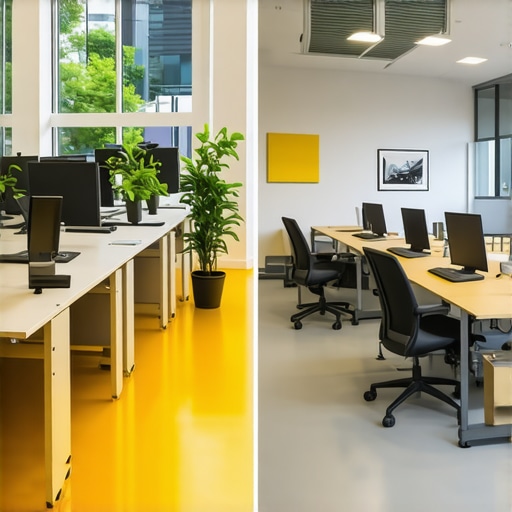
It was a typical Tuesday morning when I found myself scrambling to find a decent conference room for an important client meeting. Every room seemed booked or sterile, and I couldn’t shake the feeling that I was wasting precious time in a space that wasn’t helping my team thrive. That lightbulb moment hit me hard: what’s really the difference between a coworking hub and just a run-of-the-mill office?
Why Choosing the Right Space Can Make or Break Your Startup
The truth is, for startups and small businesses, the workspace isn’t just about a roof over your head. It’s about fostering innovation, encouraging collaboration, and projecting a professional image that attracts investors and clients alike. But with so many options—private offices, open desks, traditional offices, and then coworking hubs—it’s easy to get overwhelmed. I’ve been there, making mistakes that cost me time, money, and frustration.
Here’s the thing: a *hub*, often a modern coworking space, is designed to be a vibrant community. It encourages networking, spontaneous collaboration, and flexibility. A *generic office*, on the other hand, might be a leased traditional space—often dull, closed-off, and lacking energy—or simply a remote office setup without the communal perks.
Early on, I mistakenly treated a coworking hub like any other office, assuming it was just about renting desks. That was my first mistake. As I learned, coworking spaces offer an ecosystem that can accelerate your growth—access to community events, mentorship opportunities, and state-of-the-art meeting rooms—and these benefits are often overlooked by startups who think any office will do.
According to a report by UC Berkeley, coworking spaces can increase productivity and innovation among startup teams by providing a dynamic environment tailored for collaboration (see [The Future of Conference Rooms in Startup Ecosystems](https://coworkingcentral.com/the-future-of-conference-rooms-in-startup-ecosystems)). Recognizing this difference was a game-changer for me.
Are you currently facing the challenge of choosing the right space for your team? Do you find yourself confused about what truly sets a hub apart from a plain office? If so, you’re not alone. Let’s dig into how you can distinguish these spaces and leverage them for success, starting with recognizing the core benefits of coworking hubs versus traditional offices.
Identify Your Core Needs Before Booking
Start by listing your company’s priorities—do you need private focus rooms, open collaborative areas, or versatile meeting spaces? For example, I once booked a large conference room for a small team, only to find it too overwhelming. Clarifying your needs saves time and budget. Think of your workspace as a toolbox; choose only what truly helps your team thrive.
Assess the Space’s Design and Layout
Look for environments that foster interaction without chaos. A good conference room should have flexible furniture, natural lighting, and soundproofing. I visited a coworking hub with movable desks and glass partitions, which encouraged spontaneous brainstorming sessions. Using the right layout can dramatically boost creativity and productivity.
Discover How to Maximize Meeting Room Efficiency
Book rooms with the right capacity and tech setup—high-speed Wi-Fi, quality microphones, and projection tools. I once reserved a small room that lacked proper lighting, making video calls awkward. Prior to booking, ask about available amenities; many spaces offer innovative meeting features that can elevate your sessions.
Leverage Technology for Seamless Bookings
Use dedicated room management software to avoid overlaps and confusion. I implemented an online booking system that synchronized calendars, leading to fewer double-bookings. Options like software solutions streamline scheduling and keep everyone informed, saving precious time.
Prioritize Natural Light and Comfort
Spaces with ample natural light improve mood and focus. Once, I selected a meeting room with concrete walls and poor lighting; the session was dull. In contrast, a room bathed in sunlight with ergonomic furniture kept energy levels high. When evaluating a workspace, consider lighting quality, acoustics, and air quality to ensure comfort.

Imagine a modern, well-lit coworking space filled with collaborative zones and private meeting rooms, illustrating an environment designed for productivity and innovation.
Encourage Spontaneous Interactions
Design common areas that invite chance encounters—think lounge zones, coffee stations, or open microformal meeting spots. During a recent visit to a coworking hub, I observed how casual chats in the coffee area led to a promising partnership. These zones are vital for nurturing the community aspect of your workspace.
Set Clear Policies and Expectations
Establish guidelines around booking, noise levels, and shared resources to prevent conflicts. I once neglected to clarify usage policies, leading to frequent disputes over conference room availability. Clear communication ensures a smooth, respectful environment that maximizes the space’s benefits.
Regularly Review and Optimize Your Space
Solicit feedback from your team to identify pain points and opportunities. After a few months, I learned that certain rooms were underused due to poor layout. Periodic assessments and adjustments keep your workspace aligned with evolving needs, maintaining high productivity and morale.
Many entrepreneurs believe that choosing a coworking space or conference room is simply about affordability and location, but in my experience, there’s a subtle nuance often overlooked: the misconception that all shared spaces are equal in fostering innovation. This myth can lead startups to make costly mistakes, such as settling for spaces that lack the right atmosphere for creative growth or failing to recognize the strategic advantage of certain room designs. For instance, many assume that a stylish, modern space automatically boosts productivity, but without considering aspects like acoustics or natural lighting, the environment may end up being more distracting than inspiring. According to a study by Harvard Business Review, the physical environment plays a vital role in employee performance and satisfaction, and choosing the right space involves understanding these nuanced factors (see Collaboration and Workspace Design). One common trap is underestimating the importance of flexibility in meeting room booking systems, which can lead to double bookings or unavailable spaces during critical moments. Implementing technology like smart scheduling tools can prevent these issues and ensure seamless operations. Furthermore, there’s an advanced misconception that open-plan coworking environments naturally promote collaboration. In reality, open spaces can sometimes inhibit deep focus, especially for tasks requiring concentration. The key is designing spaces that balance open areas for networking with private zones for focused work, a principle supported by research from DNAinfo. Have you ever fallen into this trap? Let me know in the comments. For startups, especially those scaling rapidly, recognizing these hidden nuances can make the difference between a productive environment and wasted resources. If you’re interested in transforming your workspace into a hub of innovation, consider exploring the latest in conference room design strategies. Remember, the right environment isn’t just about aesthetics; it’s about creating a space where your team can truly thrive.Maintaining an efficient coworking environment or conference room setup requires the right combination of tools and ongoing best practices. I personally rely on HoneyBook for managing booking workflows; its automation features prevent double bookings and streamline confirmation emails, saving me hours weekly. To ensure my team stays connected and productive, I use Slack as our daily communication hub, integrating it with our meeting schedulers to get instant updates on room availability. These tools are critical for scaling operations—and I predict the trend toward integrated workspace management platforms will only intensify, making it easier to oversee multiple coworking locations seamlessly.
How do I maintain consistency in space management over time?
Regularly reviewing your booking data and user feedback helps identify bottlenecks or underused rooms. I schedule quarterly check-ins to analyze utilization stats, which I pull from platforms like room management software. Additionally, maintaining clear communication channels and transparent policies ensures everyone respects shared spaces, reducing conflicts. Investing in quality audiovisual equipment also pays off long-term—every meeting runs smoothly, preventing delays that could hamper growth.
To truly optimize your workspace, consider experimenting with dynamic lighting solutions like Circadian-controlled LEDs, which adapt throughout the day to enhance focus and comfort. These innovations, as explored in recent research, contribute significantly to long-term employee well-being and productivity. Start by implementing a smart lighting system in your primary conference room and observe the difference in team energy levels.
Looking ahead, I believe AI-powered room allocation tools will become standard, intelligently assigning spaces based on meeting profiles and user preferences, vastly reducing manual scheduling. Ready to elevate your coworking space? Try integrating a smart booking system today and experience smoother operations—your team will thank you. For practical guidance on choosing the right technology, visit this comprehensive guide.
Lessons Only Insiders Seem to Discover
One of the toughest truths I faced was realizing that not all coworking spaces are created equal — and that even the most trendy hubs can sometimes hinder rather than help your startup if not chosen carefully. I learned this the hard way when I prioritized aesthetics over functionality, only to find our team’s productivity suffering. The critical insight? Space design and community culture often carry more weight than location or decor. Also, I discovered that manually managing room bookings without automation often leads to chaos, hampering my team’s focus—and that trust in technology, when used wisely, is a game-changer. Finally, I found that fostering spontaneous interactions in shared spaces can spark innovation; creating deliberate opportunities for casual exchanges pushes your startup forward more than you might expect.
Tools and Sources That Changed My Approach
Hands down, room management software transformed how I handle bookings, eliminating double-reservations and scheduling conflicts. I trust Slack for smooth internal communication, linked seamlessly with our booking systems for real-time updates. For inspiration on workspace design, I turn to innovative meeting rooms, which prove vital in creating environments that foster creativity. Additionally, I found value in research from UC Berkeley highlighting the importance of community engagement in coworking hubs. These resources have been instrumental in aligning my workspace with my team’s aspirations and operational needs.
Your Next Step to a Smarter Workspace
Embracing the unique potential of coworking and conference rooms can be transformative for your startup’s trajectory. The future of flexible workspace design offers exciting possibilities for fostering innovation, saving costs, and building a vibrant community. I encourage you to experiment, question assumptions, and leverage technology—your team’s success might depend on it. Ready to elevate your coworking environment and unlock new levels of productivity? Dive into the latest strategies for conference room management and start shaping a workspace that truly works for your vision. What’s the first change you plan to implement in your coworking setup? Share your thoughts below!